


A giraffe reaches into the branches of a tree, curls its tongue around a cluster of leaves and begins to feed. After a while, it moves on to another tree. It is an everyday sight on safari at Shumbalala Game Lodge. But while our attention naturally follows the giraffe, something rather remarkable may be happening in the plants around it. The tree isn’t simply standing there, doing nothing. Plants can sense damage,...
Meet Our Tango K9 Anti-Poaching Unit
Posted on Tue July 30, 2024.
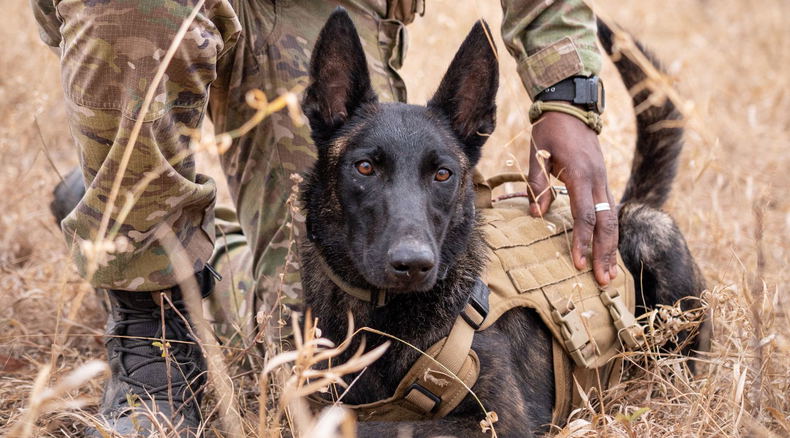
Poachers beware; for these dogs, their bark isn’t nearly as bad as their bite! At Thornybush Nature Reserve, we have a formidable, expertly trained team of rangers and their dogs, known as the Tango K9 Anti-poaching Unit. Today, on World Ranger Day, we pay tribute to our K9 heroes and their handlers, who play a vital role in protecting vulnerable wildlife species in our reserve.
Why do we need protection?
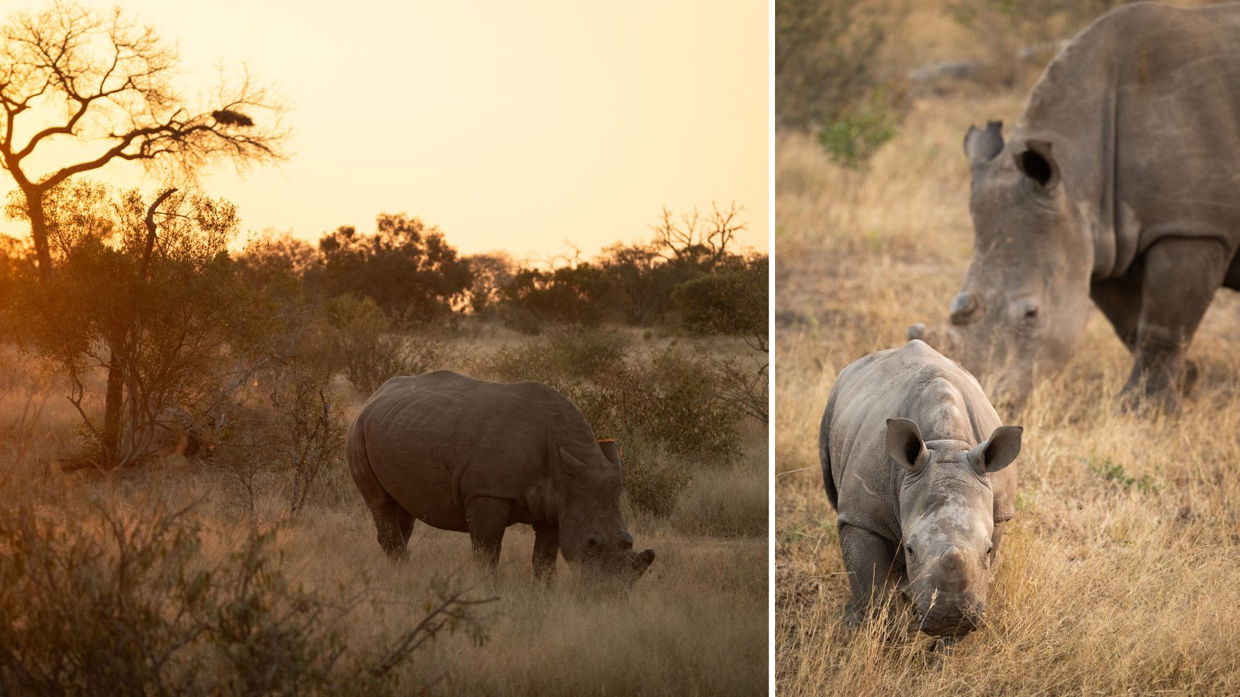
South Africa is home to the world’s largest populations of rhinos and a variety of other endangered species, and the Greater Kruger area, where our lodge is located, faces significant poaching threats. Unfortunately, many animals are at risk in their natural habitats, targeted for their horns, tusks, scales, or skin, which fetch high prices on the International black market. Rhino horn, elephant ivory, and pangolin scales are especially in demand, used as status symbols or in traditional medicine. The Thornybush Nature Reserve serves as a critical buffer zone for the pristine wilderness area of Kruger National Park to our east, and there are no fences between these two areas, meaning that animals can roam freely across this region. Our duty is to keep these boundaries protected and secure - a challenging task that our K9 unit faces steadfastly around the clock.
Why do we use a K9 unit?
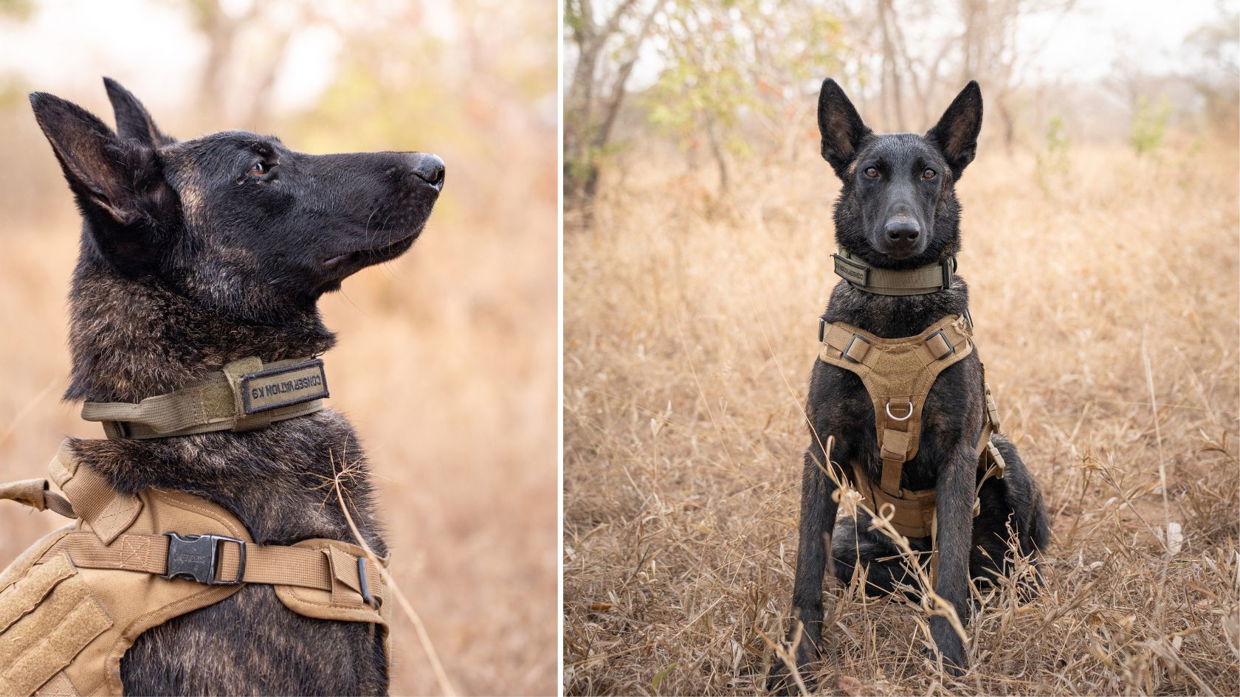
Our K9 unit is effective in combating poaching for several reasons. Firstly, these dogs are specially trained to track poachers over impressive distances and can detect firearms, ammunition, and wildlife products. Their keen sense of smell and tracking abilities make them incredibly successful in locating and apprehending poachers who may have illegally entered the reserve.
The dogs’ abilities are truly remarkable. For instance, some breeds can follow a poacher’s scent for up to 12 to 13 hours and cover 20 to 30 kilometres across various terrains, including thick bushlands and grasslands. Their presence increases the success rate of detecting and arresting poachers, often leading to a dramatic reduction in poaching incidents. Their presence alone is often enough of a deterrence for would-be poachers.
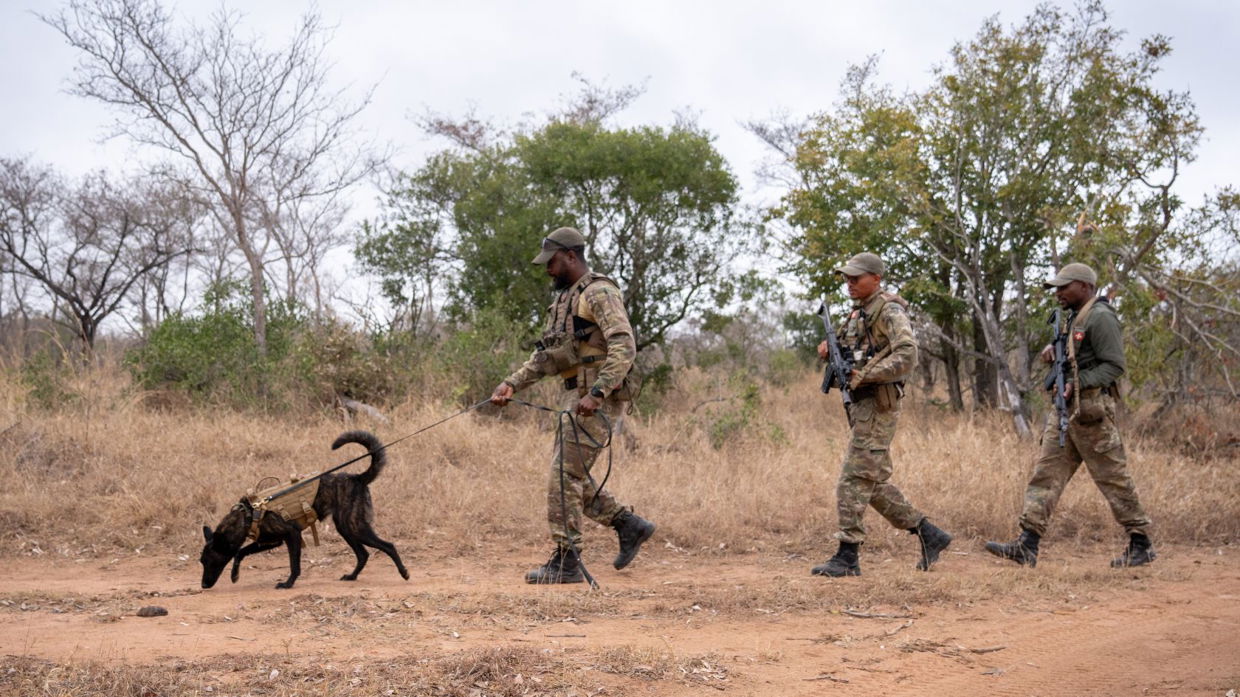
Our tracking specialists are assisted in their anti-poaching efforts by the unit’s detection and apprehension dogs. These dogs perform vehicle searches at the Thornybush Nature Reserve entrance/exit gate, where they can sniff out weapons, ammunition, ivory, rhino horn, and live animals, like pangolins.
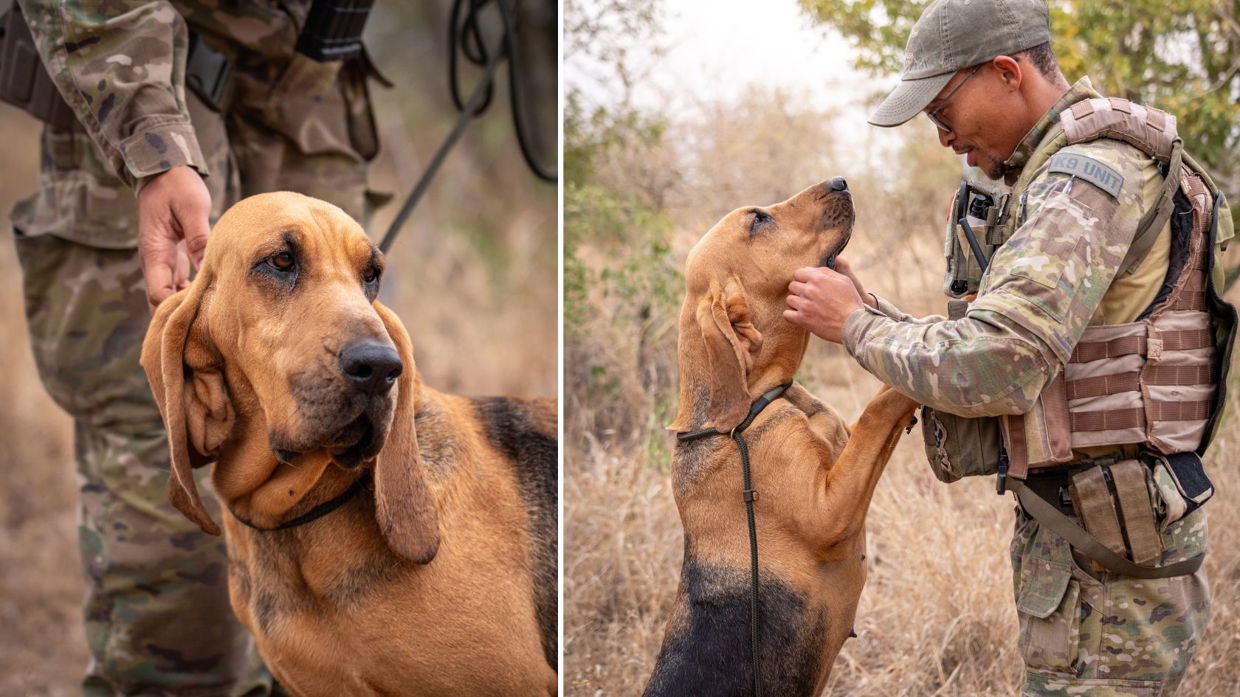
The K9-unit dogs operate at the level of top athletes, requiring optimal nutrition and regular veterinary care, and keeping these specialised animals comfortable, safe, and secure is a top priority for the Reserve. Both the dogs and their handlers receive intense specialist training, and since poachers constantly change their tactics, they also undergo continual re-training to ensure each team stays at the top of their game.
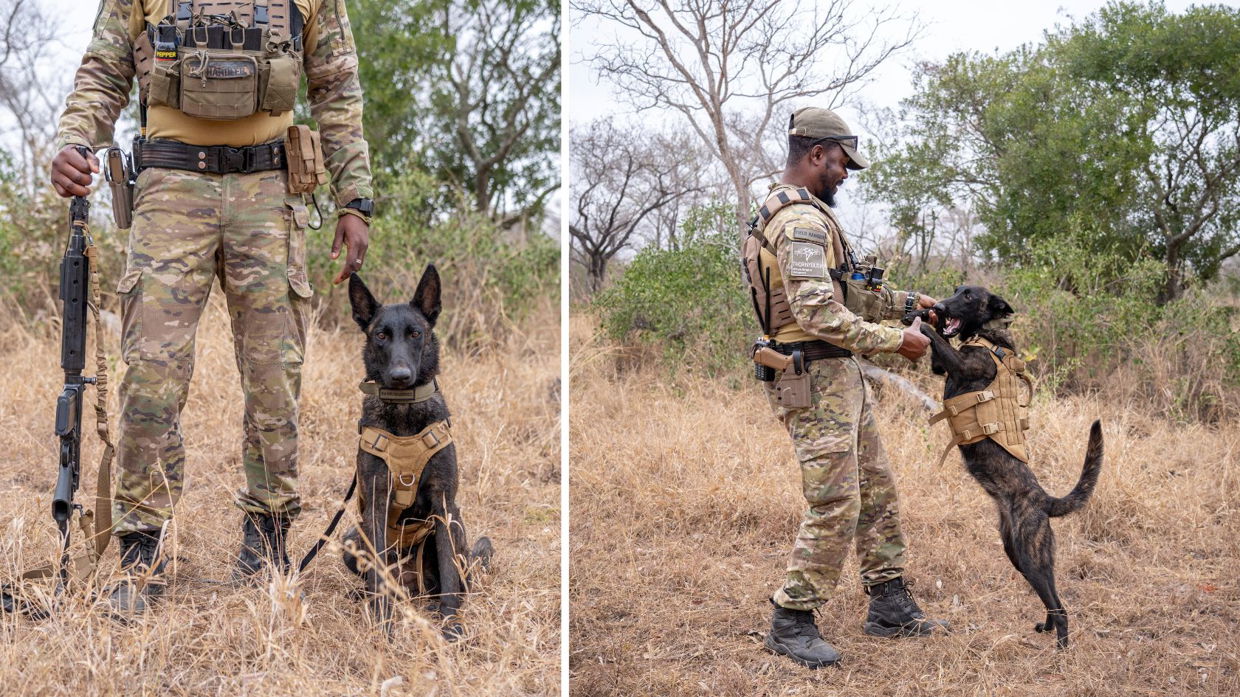
On World Ranger Day, we celebrate the bravery and dedication of our rangers and their K9 partners, who put themselves at risk every day in order to safeguard our heritage. Their tireless efforts ensure the protection of our precious wildlife, and we are immensely proud of the incredible work they do.
Guests have the unique opportunity to visit the Tango K9 unit during their stay at Shumbalala Game Lodge. Learn first-hand about these incredible dogs and their vital role in wildlife protection. Availability dependent, at an additional fee – please ask your host when in camp.
Images of K9 Tango Unit by Shumbalala Game Lodge field guide, Jordi Woerts
Further Reading
Can trees communicate with each other? The hidden conversations of the bushveld
Wed September 2, 2026
Read This Article
Beyond the Boundaries: Shumbalala Game Lodge in the Greater Kruger
Tue August 25, 2026
Read This Article
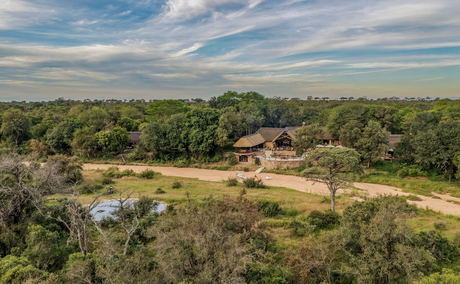
“Are we in Kruger?” It sounds like a simple question, and it is one that guests sometimes ask when trying to understand exactly where Shumbalala Game Lodge is located. The answer needs a little more explanation than a simple yes or no, but behind it lies an important story about Thornybush Nature Reserve, conservation and the value of giving wildlife the space to move. Shumbalala Game Lodge is situated within Thornybush Nature...
Winter in the Wild: How Lowveld Wildlife Adapts to the Dry Season
Wed July 29, 2026
Read This Article
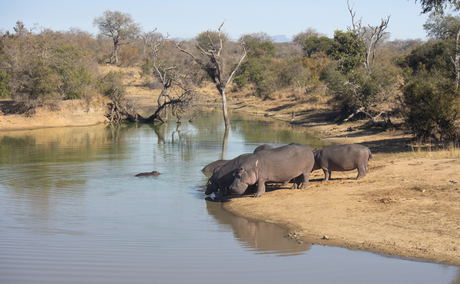
Ask any guide about winter in the Lowveld and they’ll probably mention visibility before anything else. By July, the summer grasses have faded to gold, many deciduous trees have shed their leaves, and the bush begins to feel more open. Guests often comment that the wildlife seems more abundant at this time of year. The reality is a little more interesting. Winter doesn’t bring more animals to the landscape; it changes how...
Share This Post