


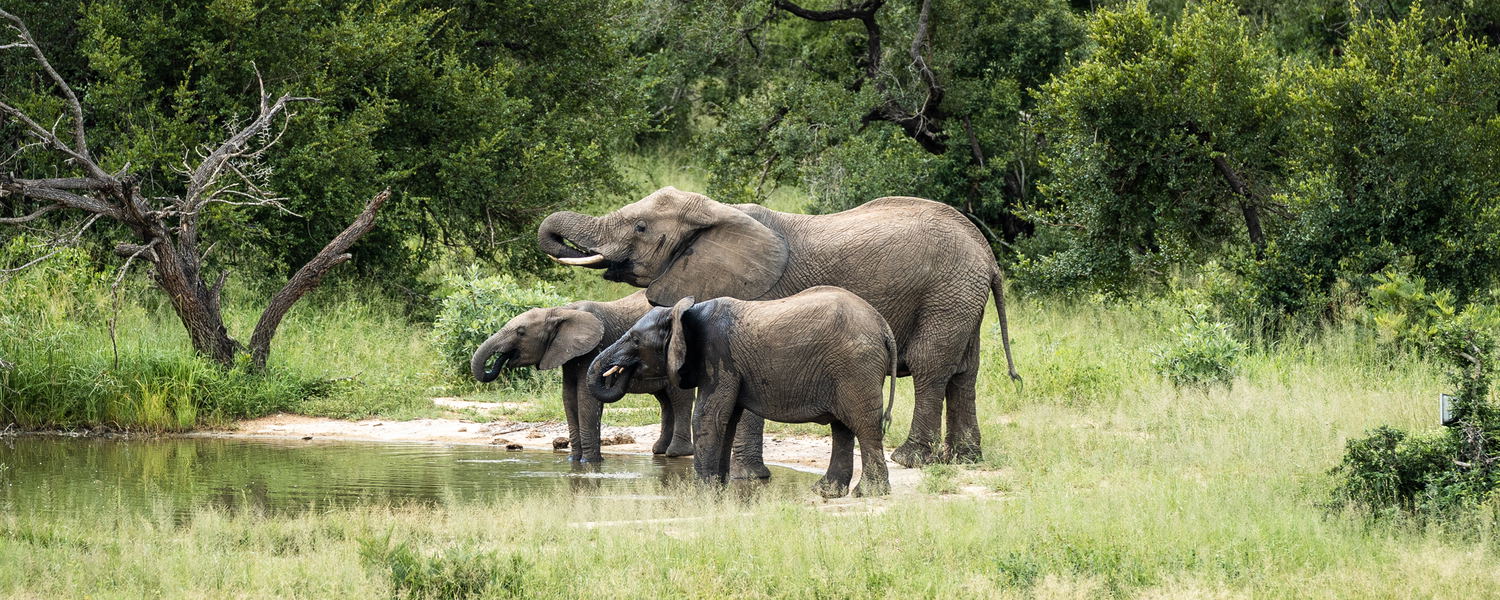
A giraffe reaches into the branches of a tree, curls its tongue around a cluster of leaves and begins to feed. After a while, it moves on to another tree. It is an everyday sight on safari at Shumbalala Game Lodge. But while our attention naturally follows the giraffe, something rather remarkable may be happening in the plants around it. The tree isn’t simply standing there, doing nothing. Plants can sense damage,...
What To Pack For A Safari: A Seasonal Guide From Shumbalala Game Lodge
Posted on Wed May 13, 2026.
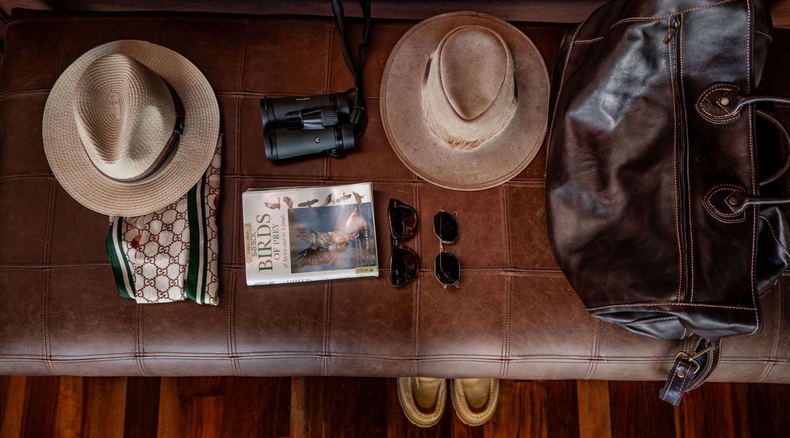
There is something wonderfully satisfying about packing for a safari. Long before you arrive at the airstrip you begin preparing. Choosing what to bring. What to leave behind. What this trip will need from you.
A safari is not the kind of holiday that rewards over-packing. Dust settles on boots quickly here; the same jacket becomes familiar by the second morning drive. The bush asks for less, not more. A few well-chosen layers. A pair of binoculars, a camera in hand, and you are good to go.
This is a year-round guide to what to bring to Shumbalala Game Lodge, located in the Greater Kruger’s Thornybush Nature Reserve, for guests preparing for the bush in any season.
A few principles before we get to the detail
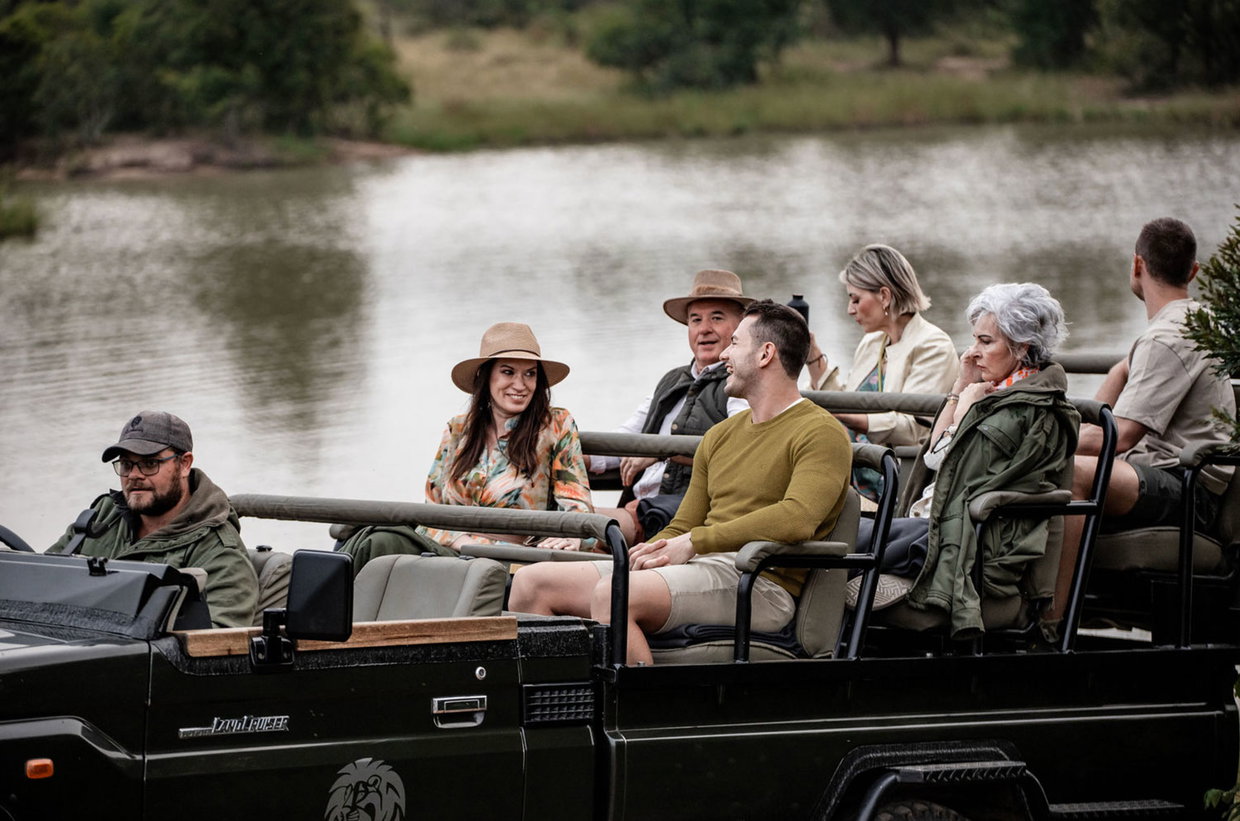
Three things shape what you should pack for a Shumbalala Game Lodge safari, regardless of when you visit.
The first is colour. The bush rewards neutrals — khaki, olive, beige, soft brown, muted grey. Not because it's a rule, but because it's less intrusive. Animals respond to colour and movement; bright reds, whites, and yellows can interrupt a sighting. A muted palette also photographs beautifully against the landscape.
The second is layers. Mornings on an open game vehicle can be fresher than you expect, even in summer. Afternoons can warm by twenty degrees. The right approach is rarely a single warm jumper; it is several lighter layers you can add and remove as the day moves through.
The third is less than you think. Game drives wash and air your clothing in their own way; the lodge provides daily laundry, and meals are relaxed. You will wear the same hat, the same boots, the same jacket every day, and you won’t mind. Pack for a long weekend, even if you are staying a week.
Year-round essentials
These are the things you should bring no matter when you visit. Even our hottest summer mornings begin somewhat fresh, and our coldest winter afternoons can warm into shorts weather.
- A wide-brimmed hat or cap that won't blow off in an open vehicle
- Sunglasses with proper UV protection (the African sun is strong year-round)
- High-SPF sunscreen — the winter sun is gentler but still burns
- Closed walking shoes for bush walks and exploring the lodge grounds
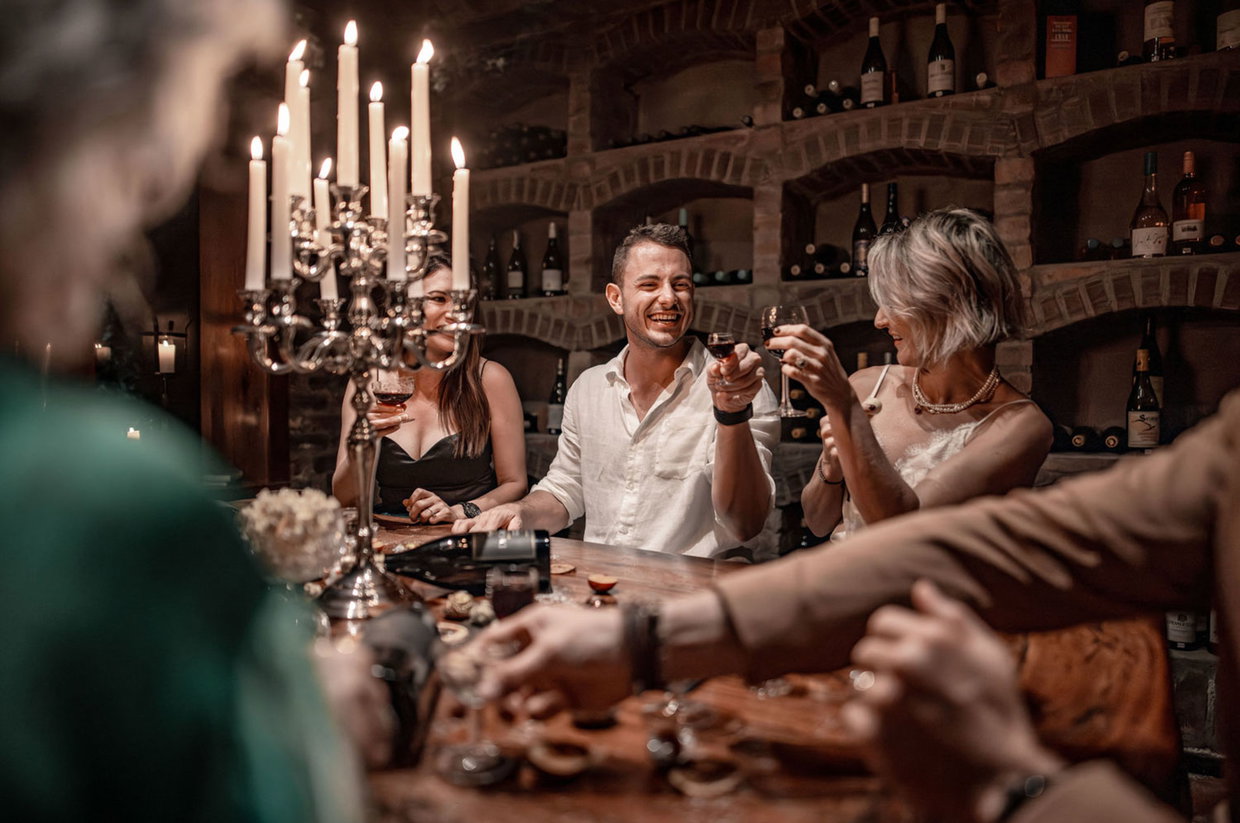
- Light, comfortable evening clothes — Meals at Shumbalala Game Lodge are relaxed rather than formal, though many guests enjoy dressing up a little for dinner in a five-star lodge setting. Smart casual works beautifully: linen shirts, relaxed dresses, chinos, lightweight knitwear, and comfortable loafers or sandals.
- Animal prints always seem perfectly at home in the bush.
- For men, there’s no need for jackets or ties, but a smart, neat look is always a good choice.
- Leave the high heels at home — lodge pathways can be uneven in places, and comfortable footwear will serve you far better.
- A small daypack to carry your camera, water bottle, and layers on drives
- Personal toiletries and any prescription medication in original packaging
- A South African plug adapter — South Africa uses Type M (three round prongs), and Type N is increasingly common. A multi-plug adapter with USB ports is provided in your suite.
- Travel documents, passport, and a printed copy of your itinerary
Summer (November to March): the green season
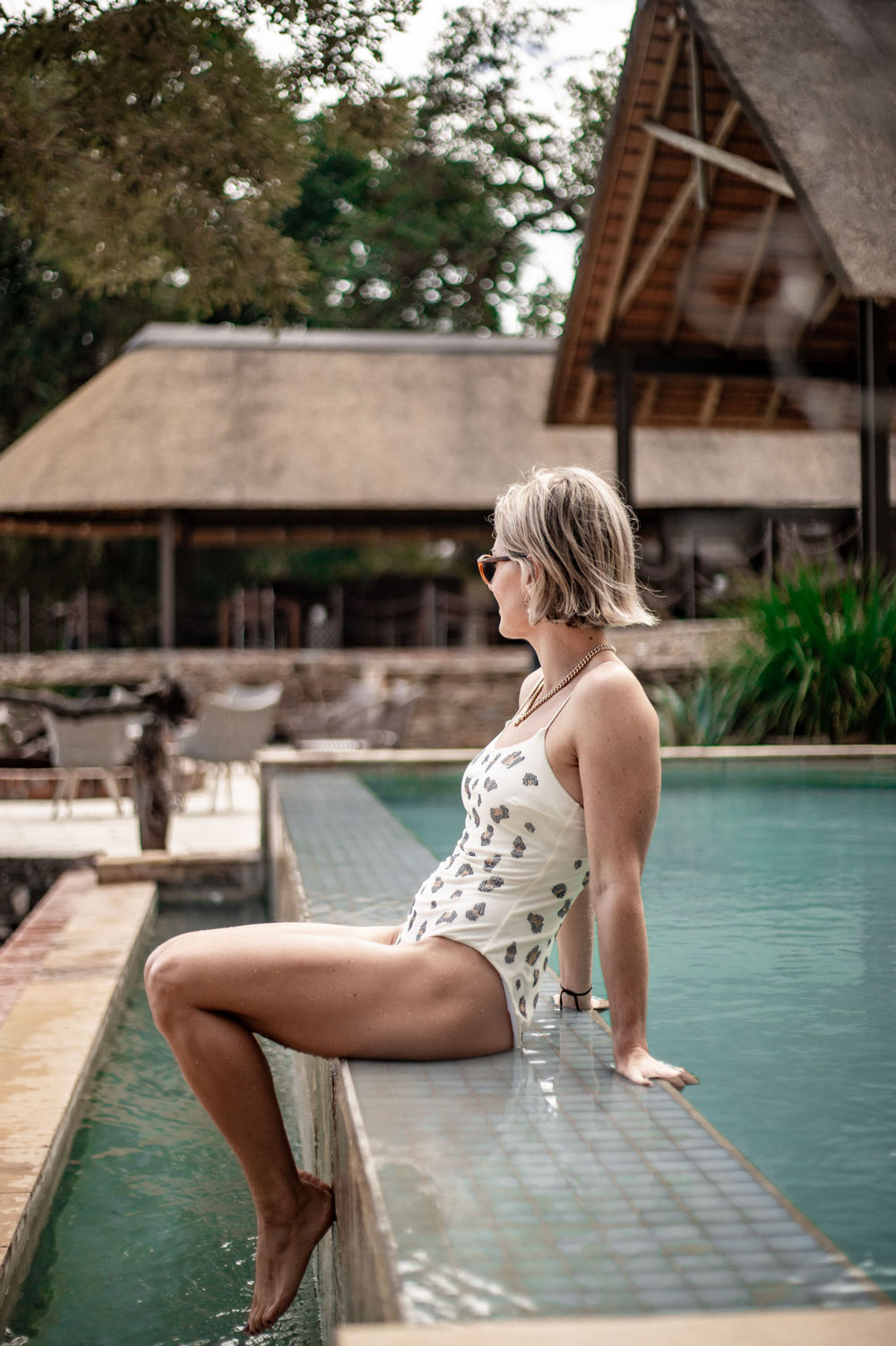
Summer in the Lowveld is warm, humid, and alive. Daytime temperatures usually sit between 28 and 35°C, with afternoon thunderstorms rolling in — dramatic and short-lived. The landscape is lush and green, the birdlife at its peak, and the light deep and saturated.
What to pack:
- Lightweight long-sleeved shirts (cotton or linen) — useful for sun protection during the day and as a barrier against mosquitoes in the evenings
- A few cool t-shirts in neutral colours
- Light long pants or trousers for evenings
- Shorts for around the lodge
- Swimwear — you will absolutely use it, between the suite plunge pool and the lodge pool
- Sandals or flip-flops for the lodge and pool
- A lightweight rain jacket or compact poncho for afternoon storms
- A light scarf or sarong (useful for sun, dust, or a cool evening)
- Lip balm with SPF
- Your own preferred insect repellent (we provide repellent in your suite, but some guests prefer their own brand)
Winter (May to August): the dry season
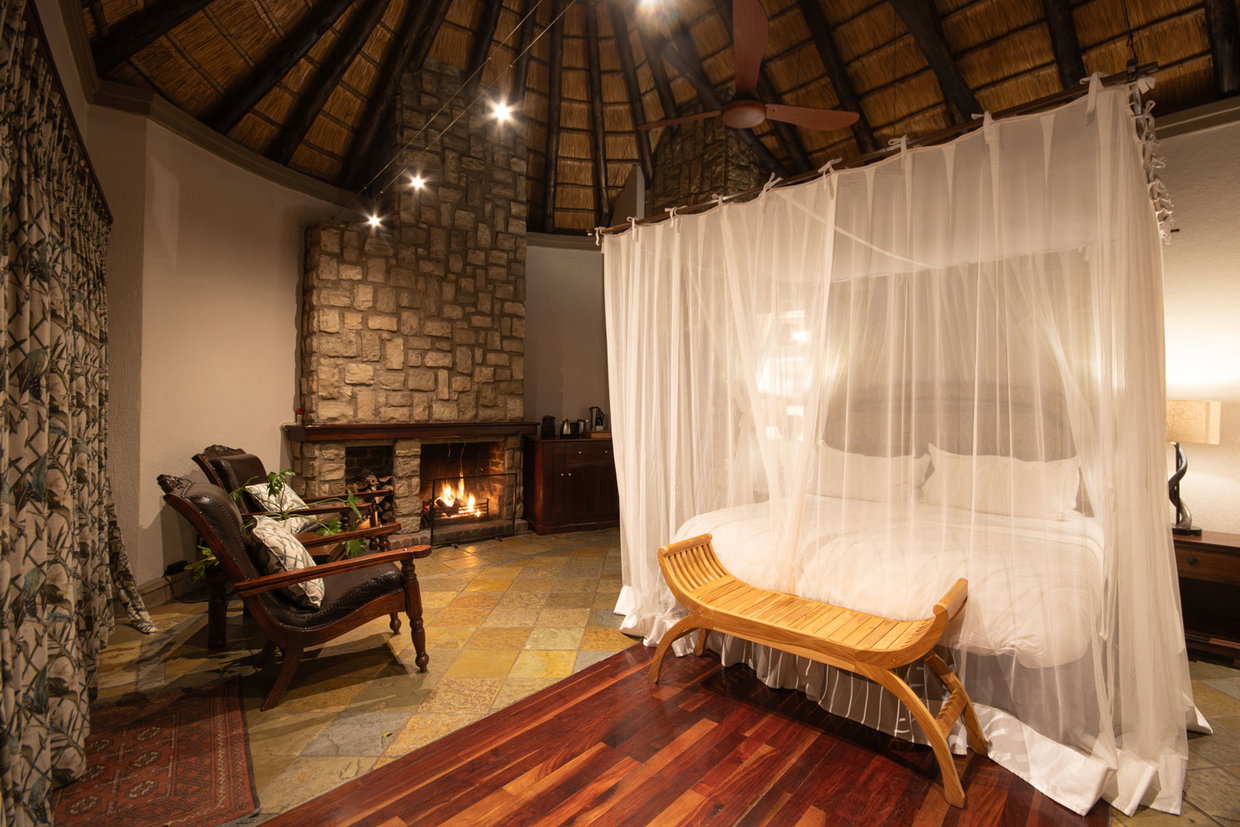
Winter is, for many guests, the favourite time to visit. The bush thins, animals concentrate around water, the air is clear, and the light low and golden. But mornings on an open vehicle are cold — sometimes only a few degrees above zero before the sun comes up. By late morning the day has often warmed to 22 or 25°C. By the time you return for breakfast, your jacket will be off.
This is where layers genuinely matter.
What to pack:
- A warm jumper or fleece — your core layer
- A windproof or down jacket for early-morning drives
- Long pants (chinos or warm trousers work well)
- Thick socks — your feet will feel the cold first on a drive
- A beanie or wool hat
- Gloves, especially if you are sensitive to cold
- A scarf or buff (also useful for dust)
- Long-sleeved thermals if you run cold
- A few short-sleeved tops and a pair of shorts for warm afternoons
- Swimwear — counter-intuitive in winter, but the midday sun and the lodge plunge pool will surprise you
- Lip balm and a small bottle of eye drops — the dry air is real
- A soft cloth or buff to protect your camera gear from dust
We provide blankets on every winter drive and keep a small store of extra jackets in the vehicle for guests who underestimate the cold. You won't be left shivering — but you will be more comfortable if you've layered well. Every suite has a fireplace, lit for you each evening to keep things warm inside.
The shoulder months: April, September, October
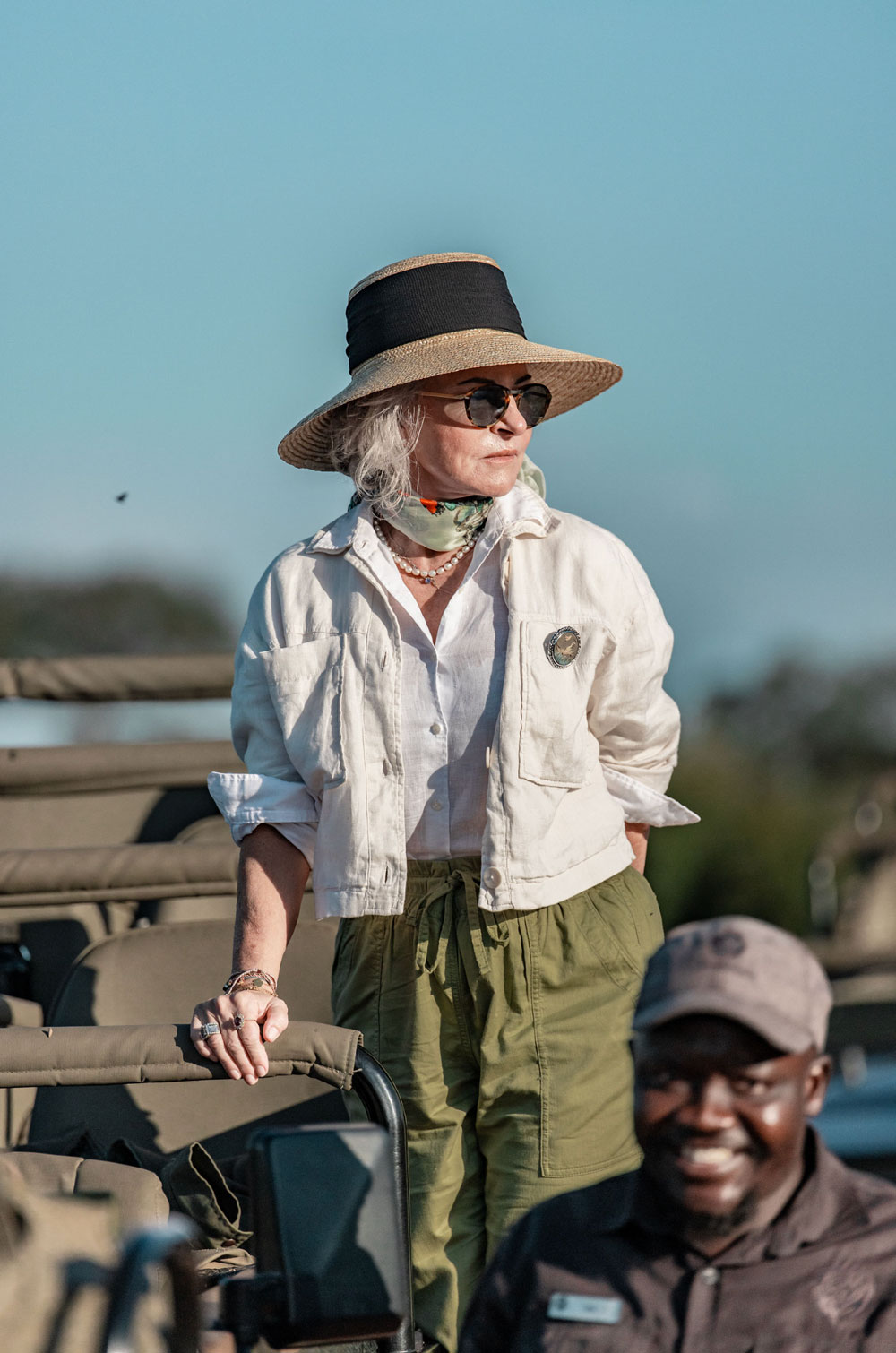
April and September sit between seasons and tend to surprise guests with their range. April mornings can be crisp and afternoons summery; September days can be warm and dusty, with cool evenings. October is often glorious, with the first hints of green returning before the rains.
For these months, pack as you would for winter — but include a few summer items too. A warm jacket and a pair of shorts in the same suitcase. Layers you can add or peel off through the day.
What we already provide
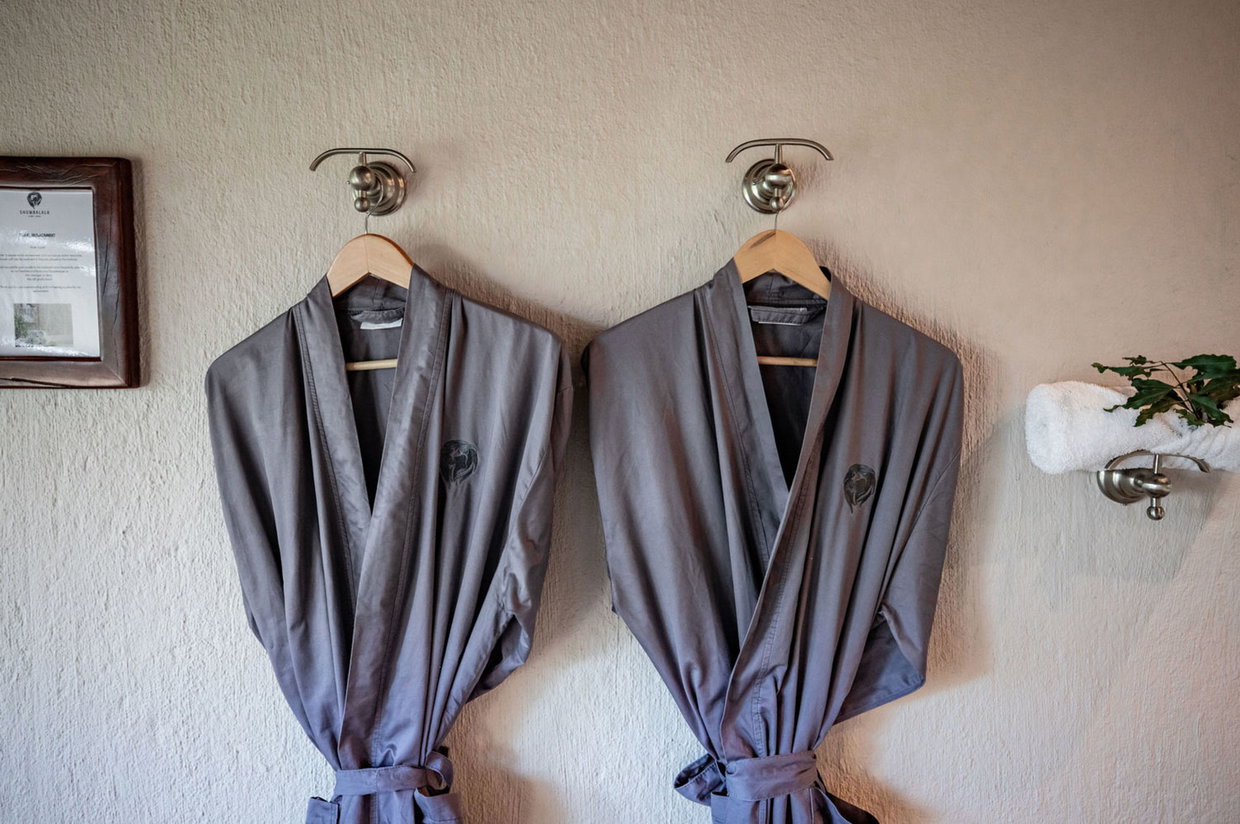
A small lodge with a tight team can offer thoughtful detail — and one of the things we hope it does is help our guests pack lighter.
In your suite, you'll find:
- A mosquito net over the bed
- Insect repellent
- Soothing body lotion, body wash, shampoo and conditioner among the amenities
- Bath towels, robes and swimming towels.
On every game drive, our vehicles carry:
- A reusable water bottle for use during your stay, yours to take home afterwards
- A pair of binoculars (you're welcome to bring your own if you prefer)
- Blankets (heavier in winter, lighter throw blankets in summer)
- Spare jackets and ponchos for cold or rain
- Snacks for morning drives, and sundowners for afternoon ones
Knowing this, you can leave a few things at home: a heavy spare jacket, a second pair of binoculars, an extra travel-sized lotion. The space is better used for the things only you can bring.
For photographers
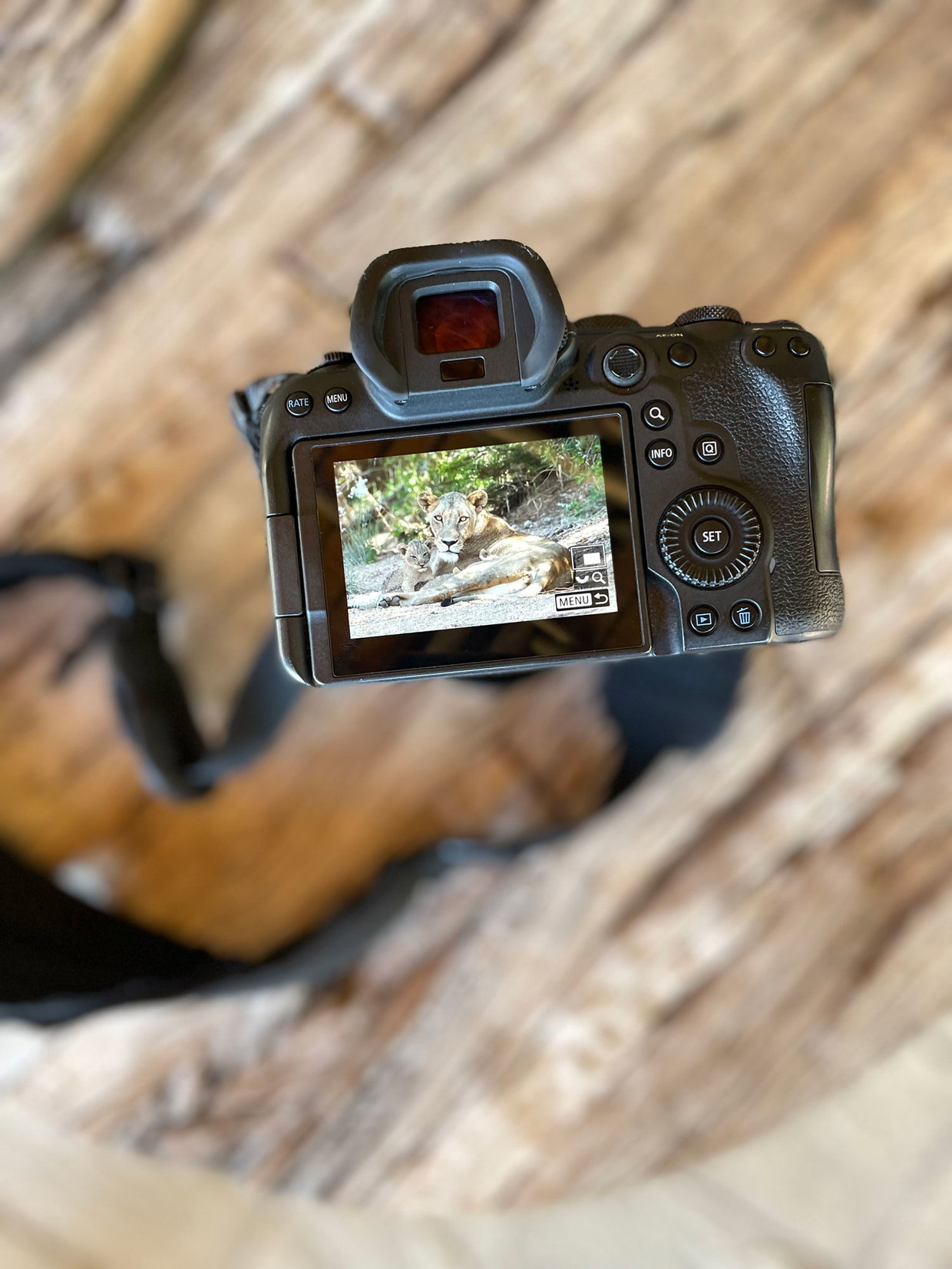
If you're coming to photograph the bush — and many of our guests are — a few specifics worth knowing.
- Bring a telephoto lens (200mm or longer) for wildlife. A 70–200mm or 100–400mm covers most situations beautifully.
- Bring a wide-angle for landscapes and lodge shots — the riverbed and sky reward it.
- Pack at least one spare camera battery. You will go through one a day in winter; possibly two if you shoot a lot of video. Cold mornings drain batteries faster.
- Bring more memory cards than you think you'll need. Guests almost always wish they had.
- A blower brush, a microfibre cloth, and a few lens wipes are small but essential — the dry season is dusty for a reason (it's also why the sunsets are so good).
- A neutral-coloured camera bag is preferable to a bright one.
For safety reasons, always pack camera equipment, batteries, and power banks in your hand luggage, never checked. Lithium batteries are not permitted in the hold, and checked baggage occasionally goes astray.
The best light is the half-hour after sunrise and the half-hour before sunset — both fall during your morning and evening game drives. Have your settings ready before you leave.
Malaria and a few medical notes
Shumbalala Game Lodge sits in the Lowveld, which is classified as a low-risk malaria area. Cases are rare, and the risk is lower still in the cooler, drier winter months.
A few sensible precautions go a long way:
- Use the mosquito net over your bed (we provide one in every suite)
- Apply insect repellent in the evenings — particularly on ankles, wrists, and neck
- Wear long sleeves and long pants after sunset, especially in summer
- Avoid strong perfumes and colognes, which can attract insects
- If you choose to take antimalarial medication, please consult your doctor before travel. Take it according to the directions on the package insert. Expectant mothers should consult their doctor before taking any antimalarial medication and discuss safe options for travel.
We also recommend bringing a small personal first-aid kit with the basics: paracetamol or ibuprofen, antihistamines, plasters, and rehydration sachets. Keep all prescription medication in your hand luggage.
What to leave at home
A short list of things that almost never earn their place in a safari suitcase.
- White, bright red, or fluorescent clothing — they show up loudly in the bush and can interrupt sightings
- Strong perfumes and colognes — animals notice scent, and you'll likely be wearing repellent
- Excessive or valuable jewellery
- Heavy hairdryers or styling tools — most lodges, ours included, supply their own
- Single-use plastics where you can avoid them
- Camouflage or military-style clothing — legal in South Africa, but not the look most guests want among the giraffes
If you’re flying into Hoedspruit or transferring on a small aircraft from Johannesburg, check your luggage weight limit before you pack. Most light aircraft transfers allow only 20kg of soft-sided luggage per person, and hard-shell suitcases are not always permitted. A soft duffel is your friend.
A final thought
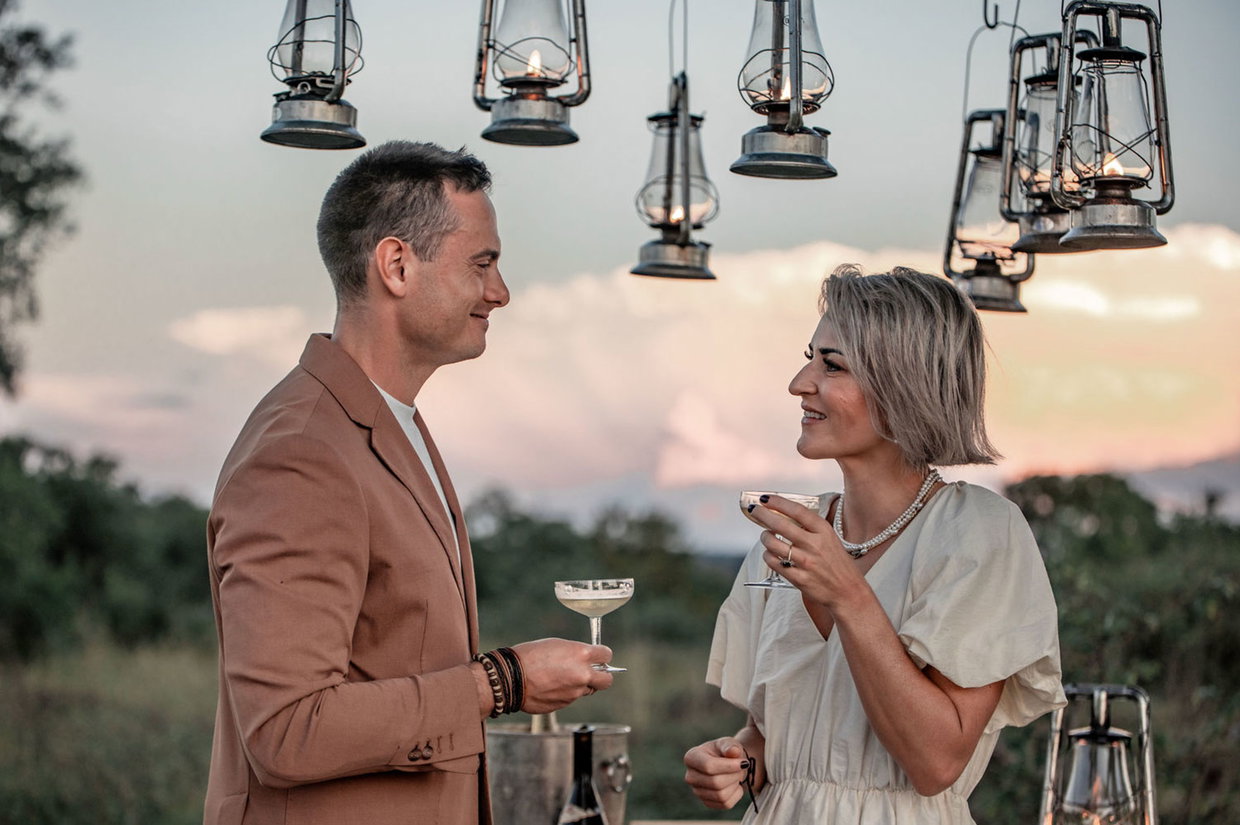
Pack with intention. Bring what you'll use, leave what you won't, and choose softness — both in fabric and in how you arrive. The bush has a way of slowing people down. Some of that begins with what you choose to bring — and what you leave behind.
We'll be here, ready for you, in any season.
To plan a stay, please contact us at res@safarisandretreats.com.
Further Reading
Can trees communicate with each other? The hidden conversations of the bushveld
Wed September 2, 2026
Read This Article
Beyond the Boundaries: Shumbalala Game Lodge in the Greater Kruger
Tue August 25, 2026
Read This Article
“Are we in Kruger?” It sounds like a simple question, and it is one that guests sometimes ask when trying to understand exactly where Shumbalala Game Lodge is located. The answer needs a little more explanation than a simple yes or no, but behind it lies an important story about Thornybush Nature Reserve, conservation and the value of giving wildlife the space to move. Shumbalala Game Lodge is situated within Thornybush Nature...
Winter in the Wild: How Lowveld Wildlife Adapts to the Dry Season
Wed July 29, 2026
Read This Article
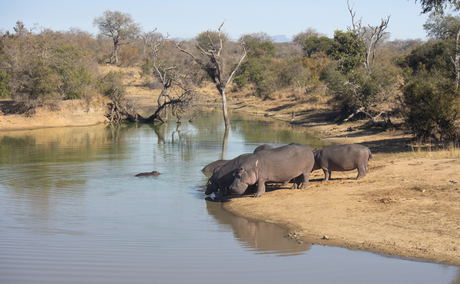
Ask any guide about winter in the Lowveld and they’ll probably mention visibility before anything else. By July, the summer grasses have faded to gold, many deciduous trees have shed their leaves, and the bush begins to feel more open. Guests often comment that the wildlife seems more abundant at this time of year. The reality is a little more interesting. Winter doesn’t bring more animals to the landscape; it changes how...
Share This Post