


A giraffe reaches into the branches of a tree, curls its tongue around a cluster of leaves and begins to feed. After a while, it moves on to another tree. It is an everyday sight on safari at Shumbalala Game Lodge. But while our attention naturally follows the giraffe, something rather remarkable may be happening in the plants around it. The tree isn’t simply standing there, doing nothing. Plants can sense damage,...
The art of noticing: What the bush teaches you to see
Posted on Thu April 2, 2026.
At first, safari is about what you see.
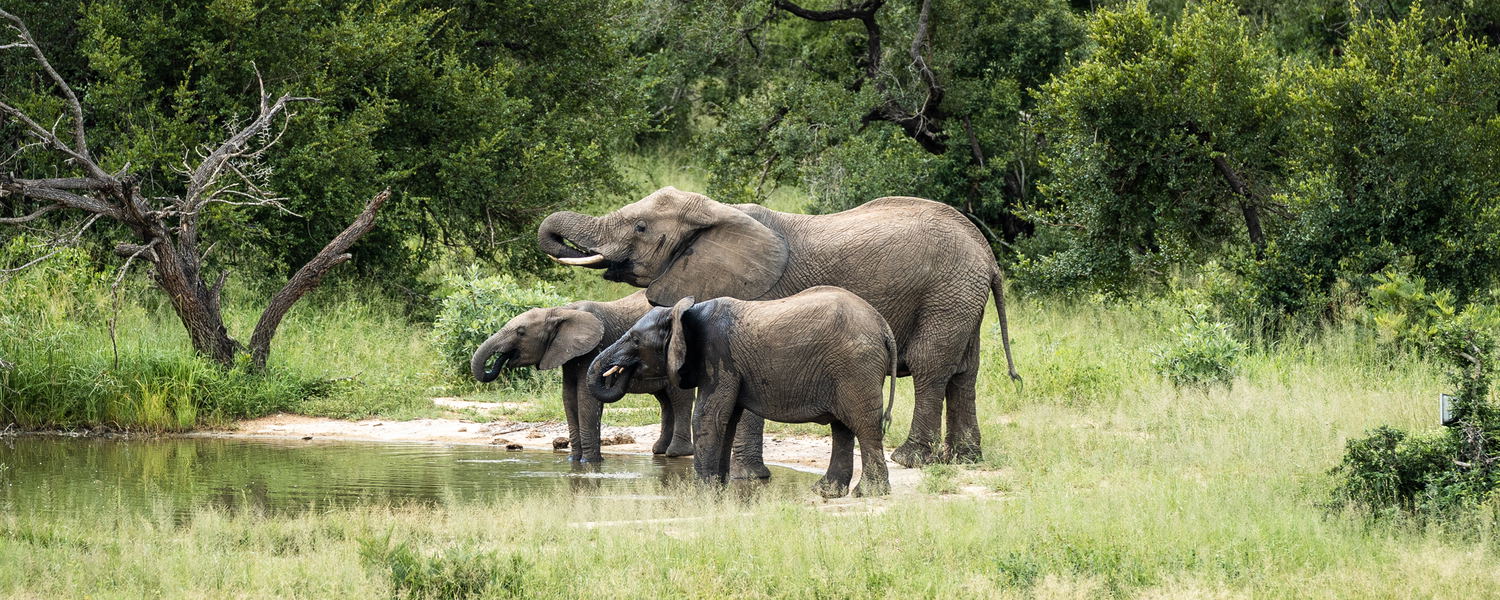
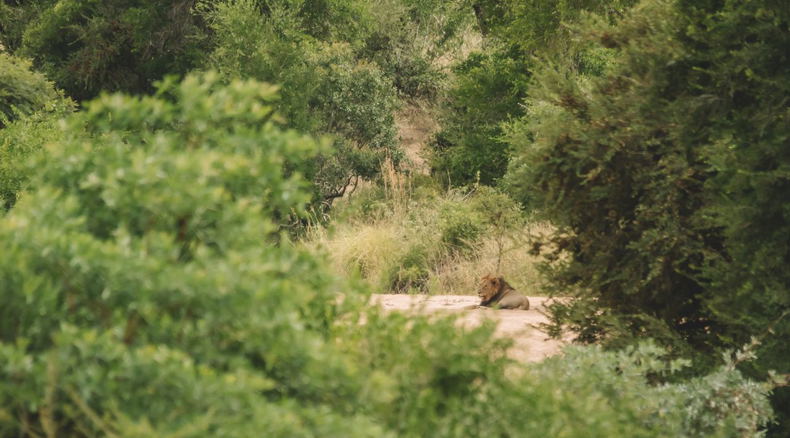
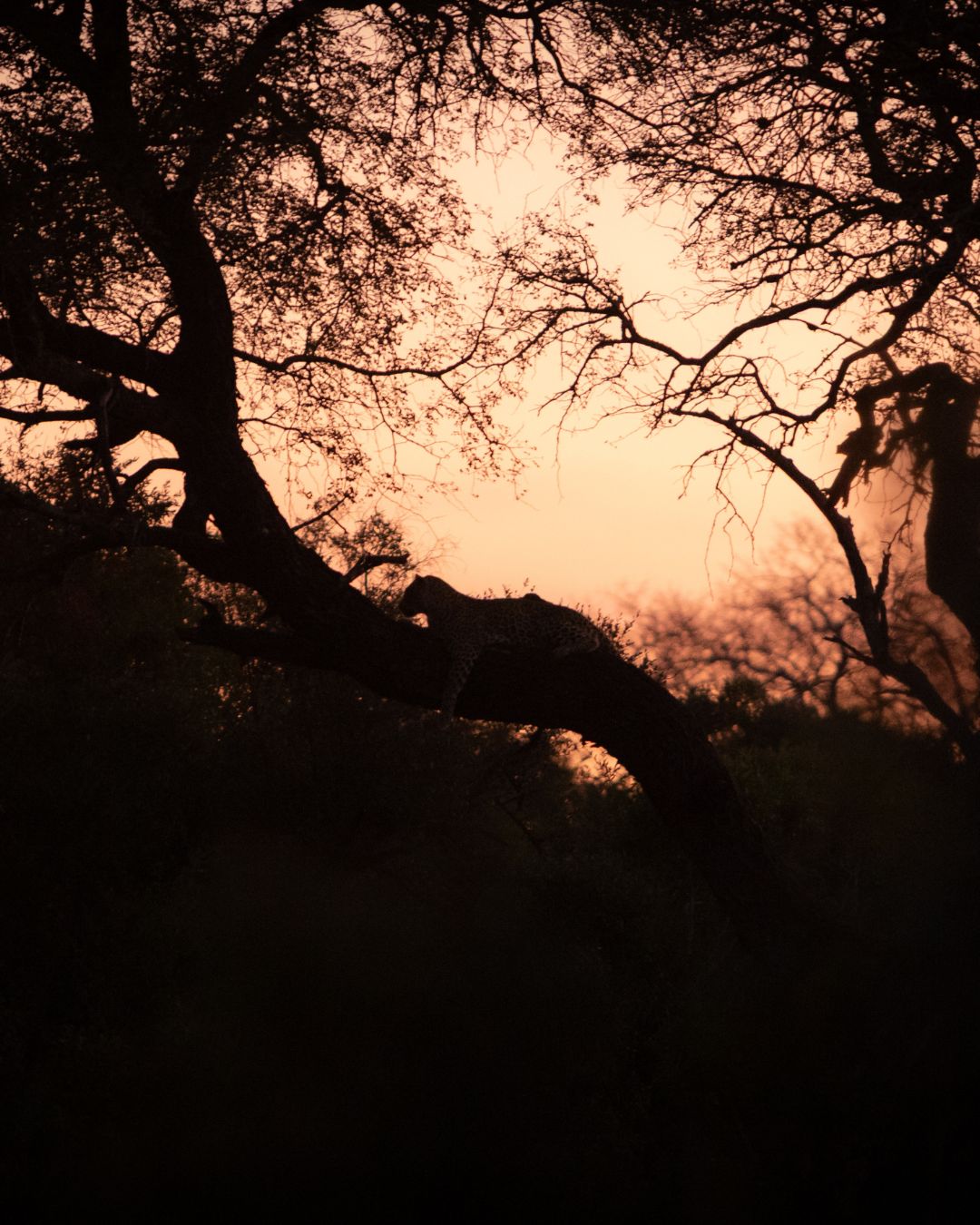
A lion in the grass, an elephant at the water’s edge, a leopard draped across the branch of a tree. These are the moments you arrive hoping for — the ones you’ve imagined long before setting foot in the bush. They are striking, immediate, and unforgettable in their own right.
But over time, something begins to shift.
It becomes less about what you see, and more about what you start to notice.
A different way of looking
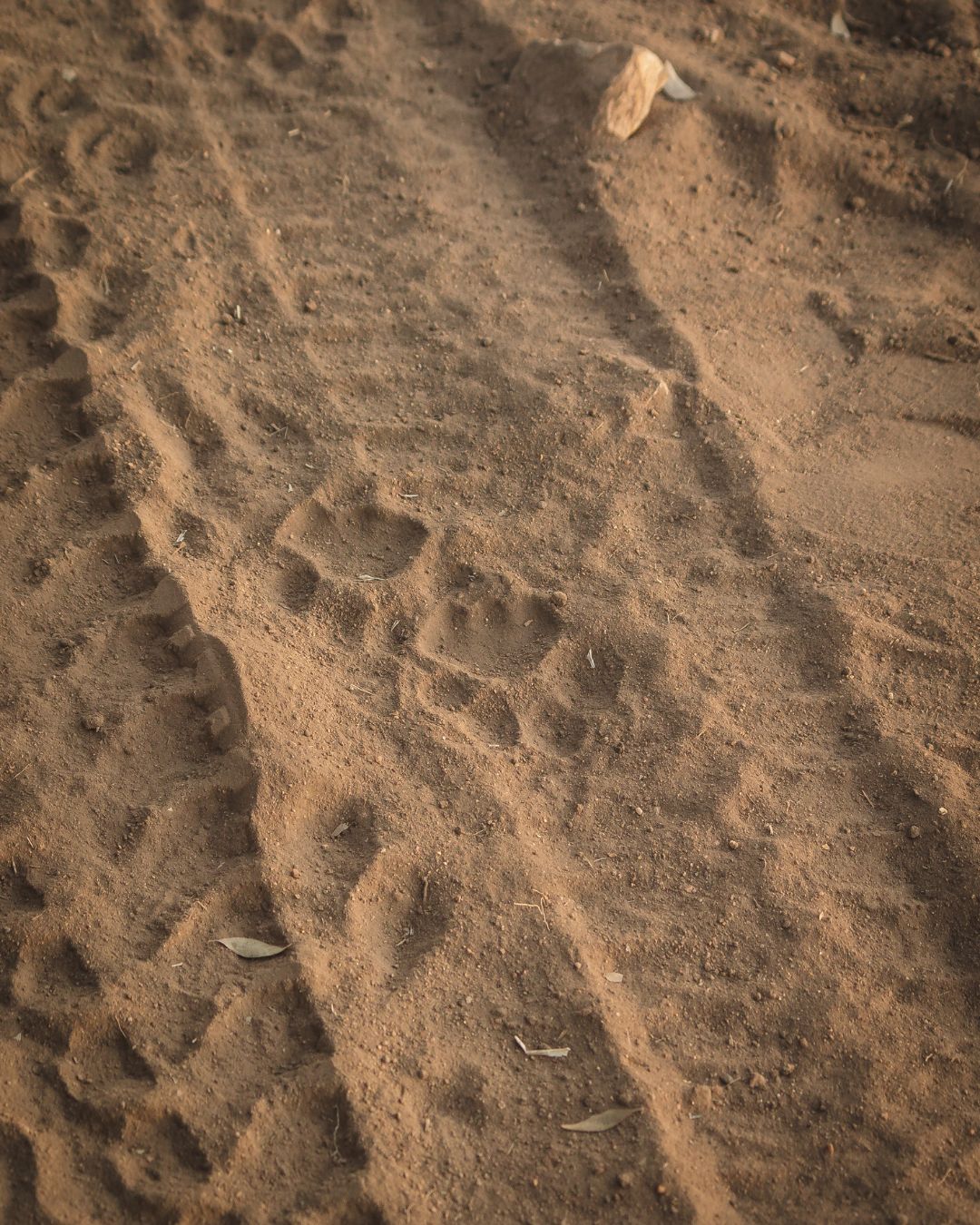
On your first game drive, everything feels big and urgent. Your eyes scan the landscape, searching for movement, for shape, for something familiar to focus on. But slowly, guided by those who know this environment intimately, your attention begins to change. You start to look lower, closer, and for longer.
A set of tracks crossing the road, still sharp at the edges. A branch, freshly broken. Then, the sudden silence of birds that were calling just moments before.
On their own, these details may seem small, even insignificant. But together, they begin to tell a story.
Reading what isn’t immediately seen
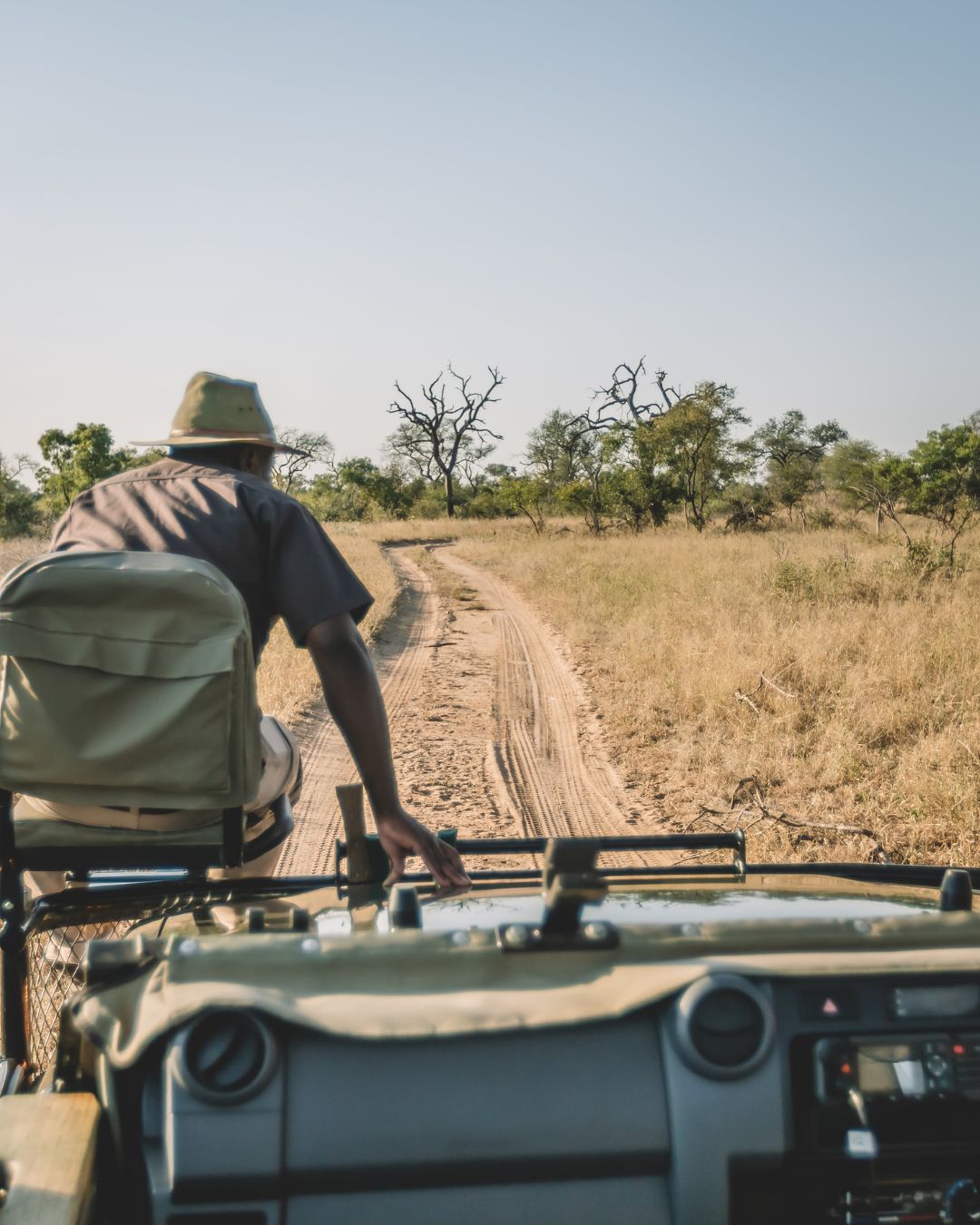
At Shumbalala Game Lodge, this way of seeing is second nature to our trackers and guides. Many have spent a lifetime in the bush, learning its rhythms over years of careful observation.
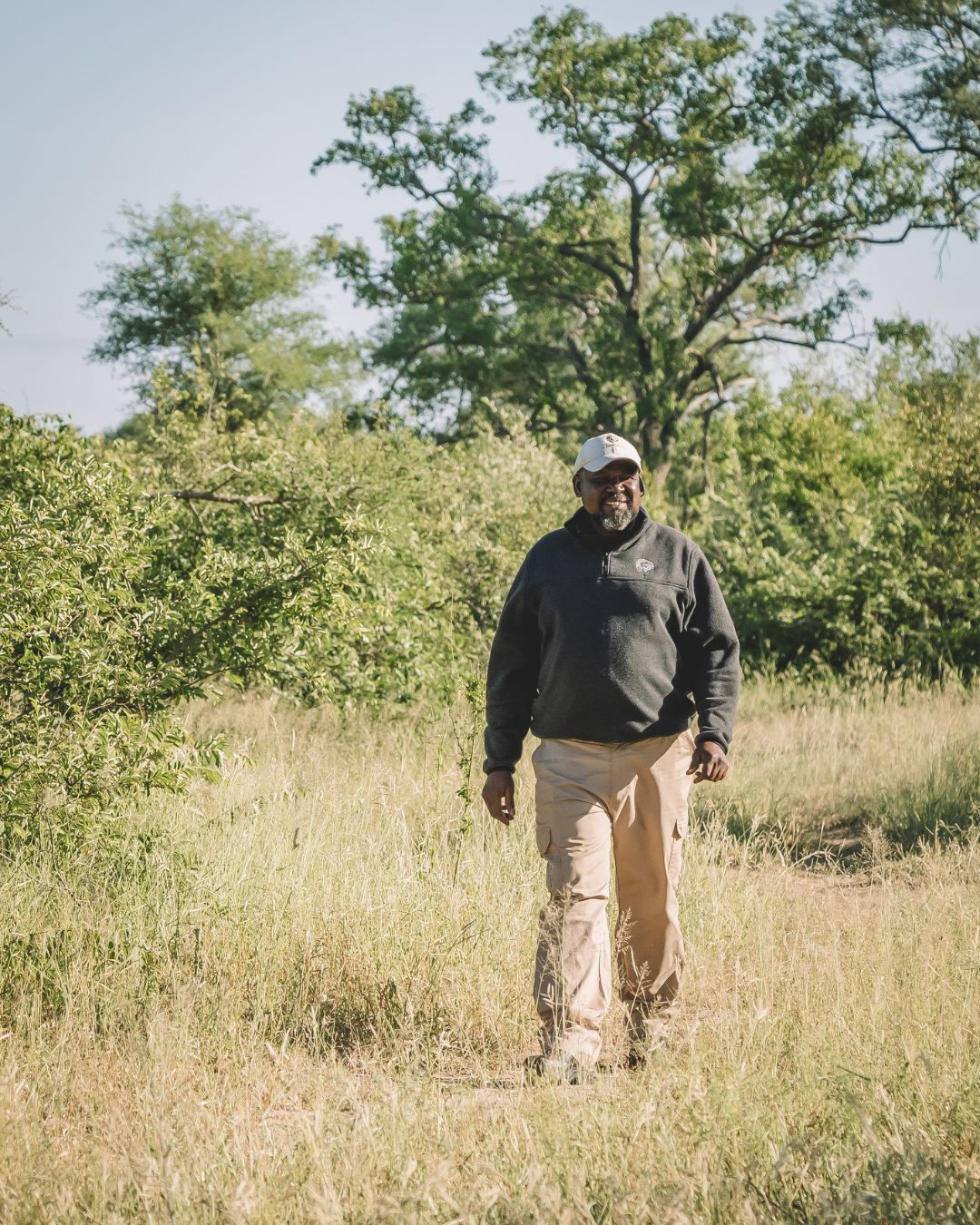
What they notice is not only what is present, but what has changed. A shift in the sand, a mark in the mud, a faint call carried on the air — each detail adds to a growing picture, often long before the animal itself is visible. For guests, this becomes one of the most fascinating parts of the experience. Not just the sighting, but the process of finding it.
The smaller stories
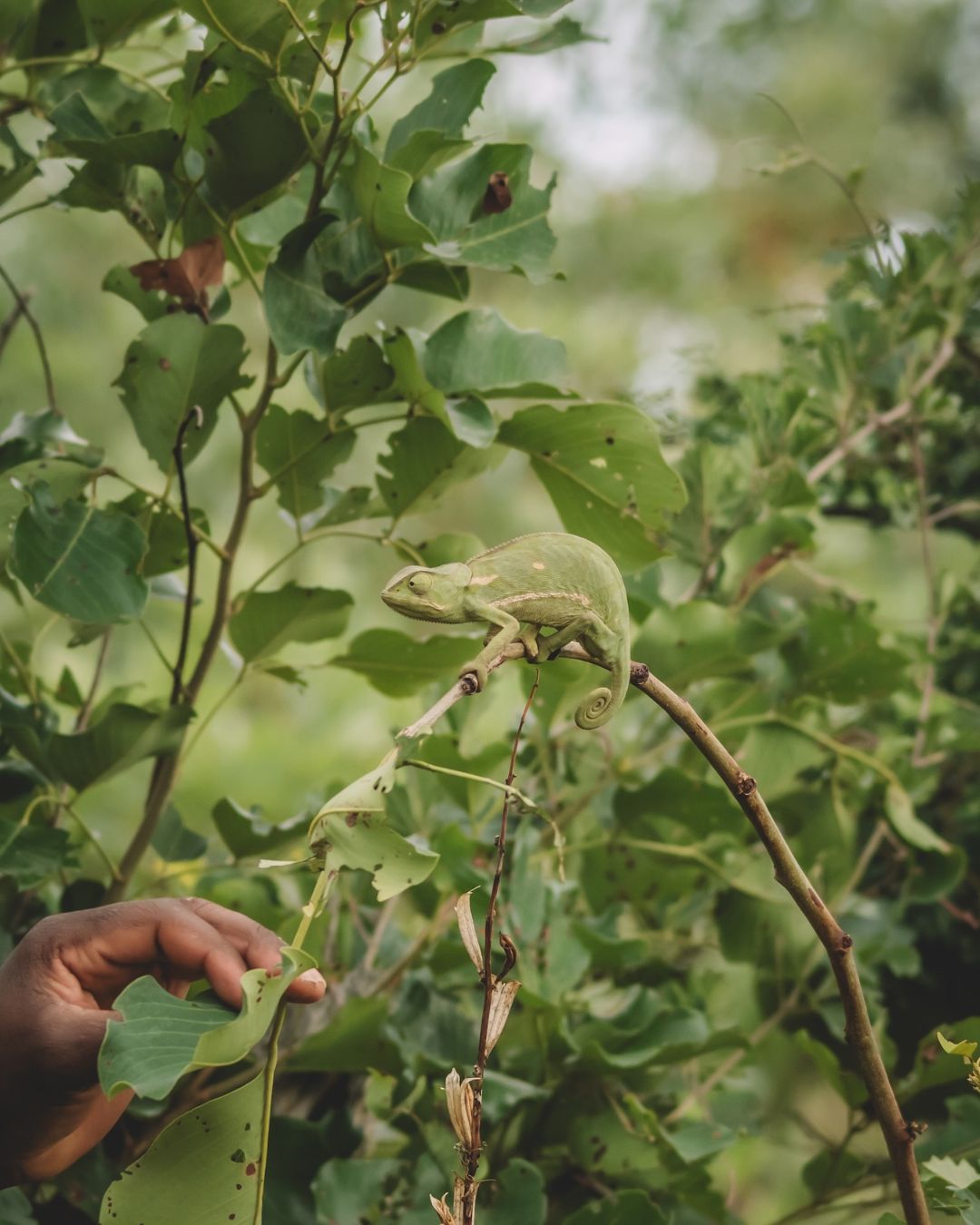
As your awareness deepens, the bush begins to reveal itself in quieter, more intricate ways. A dung beetle navigating its path across the sand. A chameleon moving slowly across the road, almost indistinguishable from its surroundings. A dwarf mongoose pausing briefly, peering through the grass.
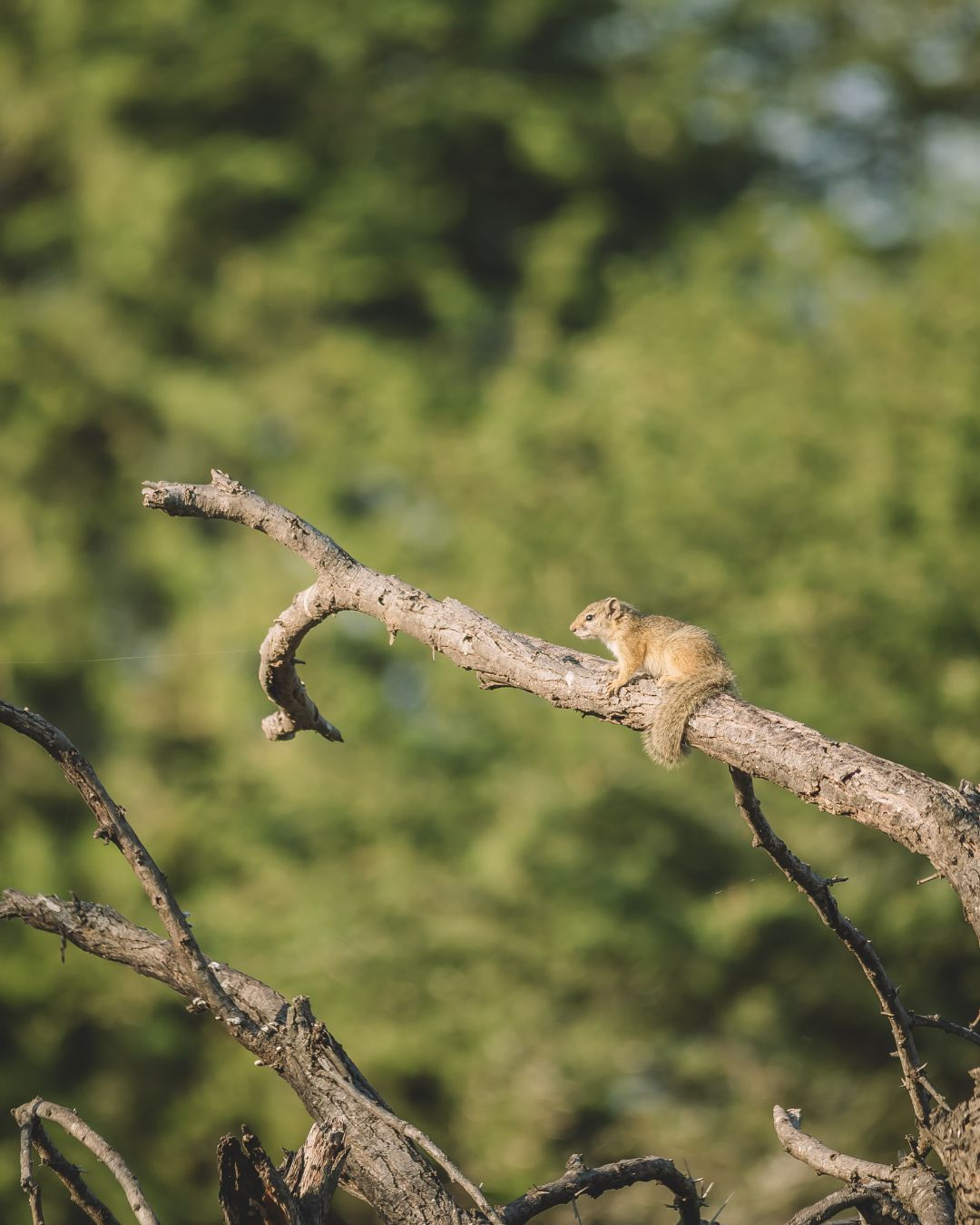
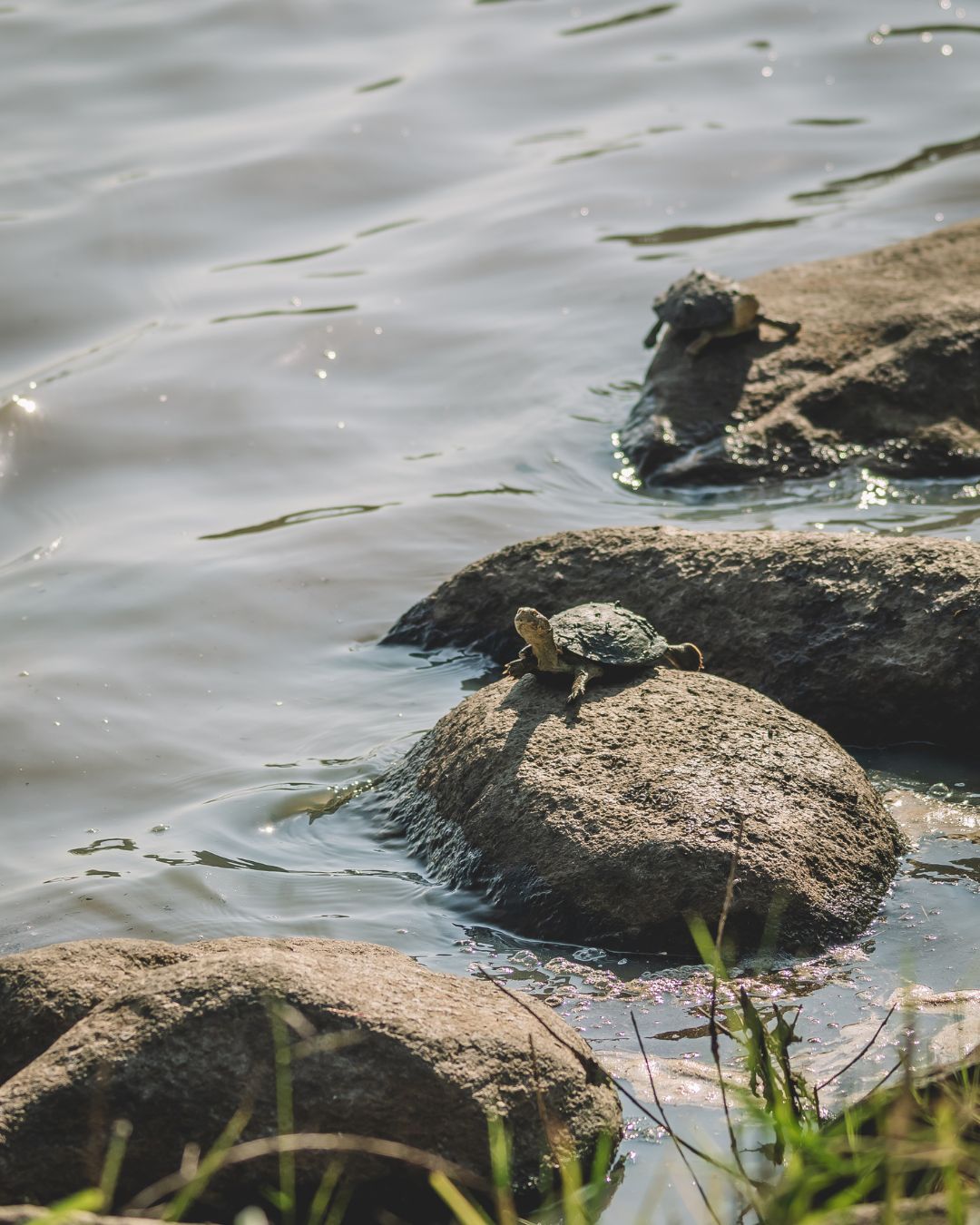
These are moments that are easily overlooked at first, but once noticed, they stay with you. They remind you that the bush is not defined by a handful of iconic sightings, but by countless small interactions unfolding all the time.
The space between
Not everything happens on a game drive.
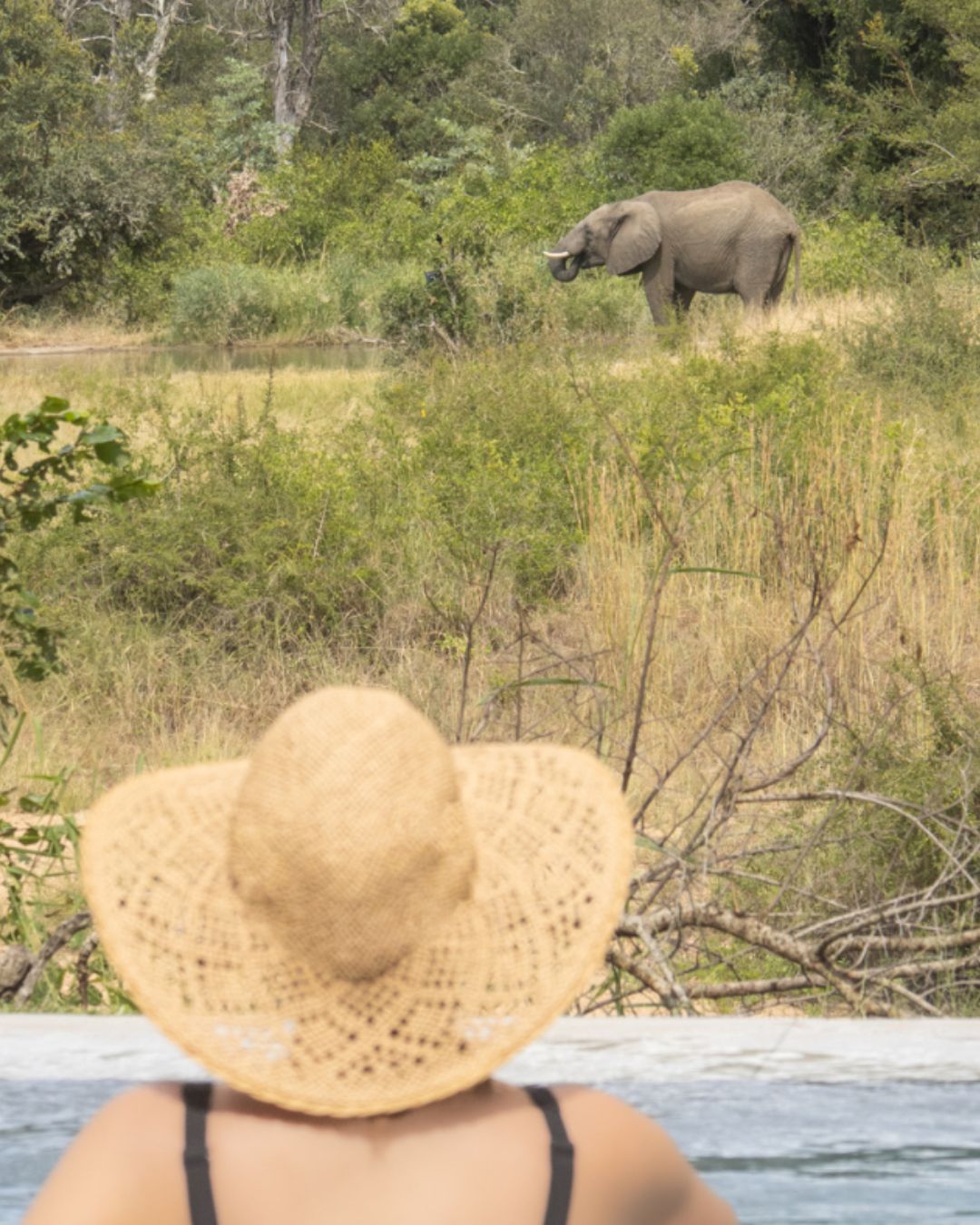
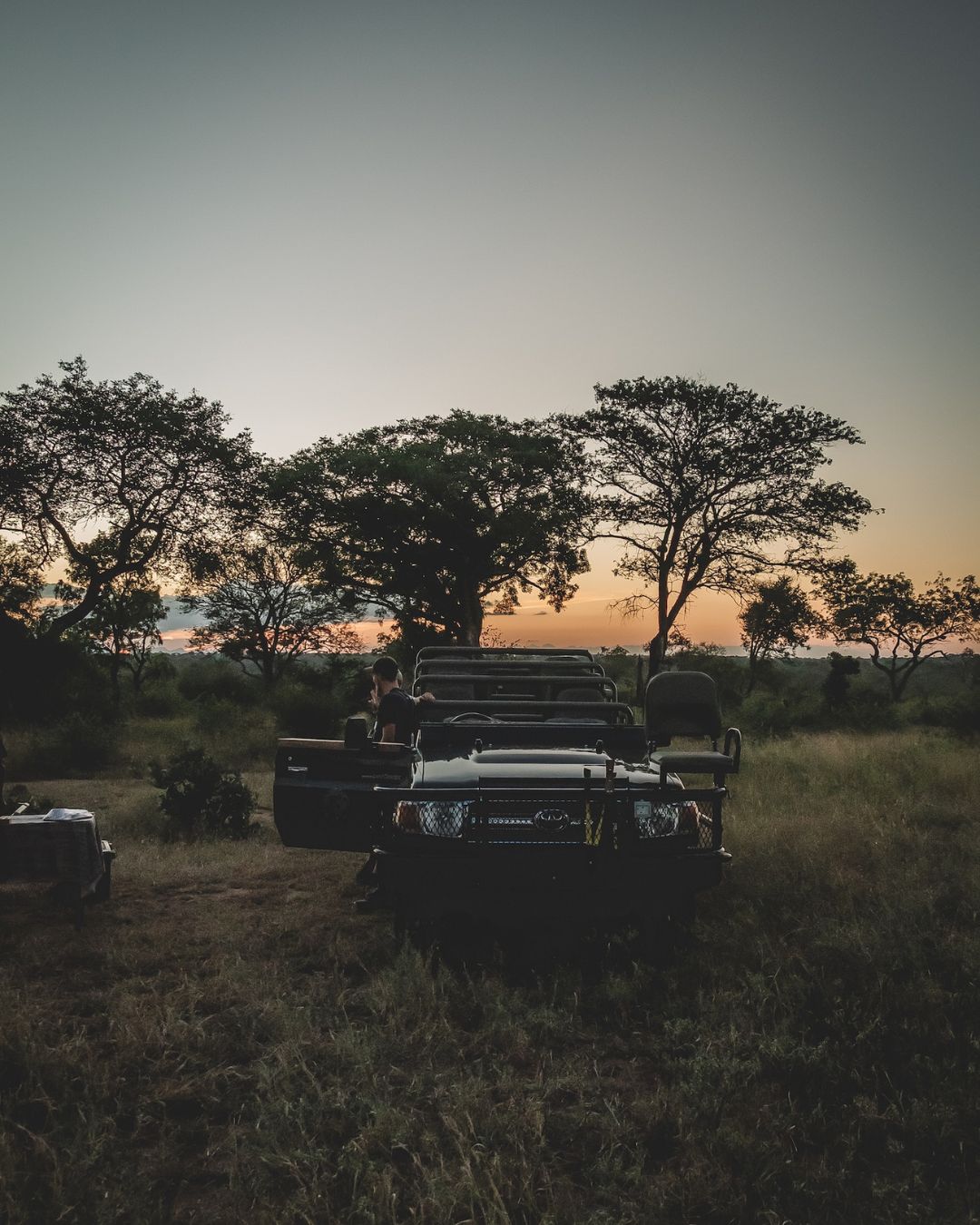
Some of the most meaningful moments are found in between. The stillness of early morning before departure, when the air is cool and the bush is only just beginning to stir. The gentle pause for sundowners as the vehicle comes to rest in the soft light of early evening. The quiet hours back at the lodge, watching animals move through the dry riverbed, without needing to follow.
In these moments, noticing becomes something different. It is no longer about searching, but about being present.
A quieter kind of safari
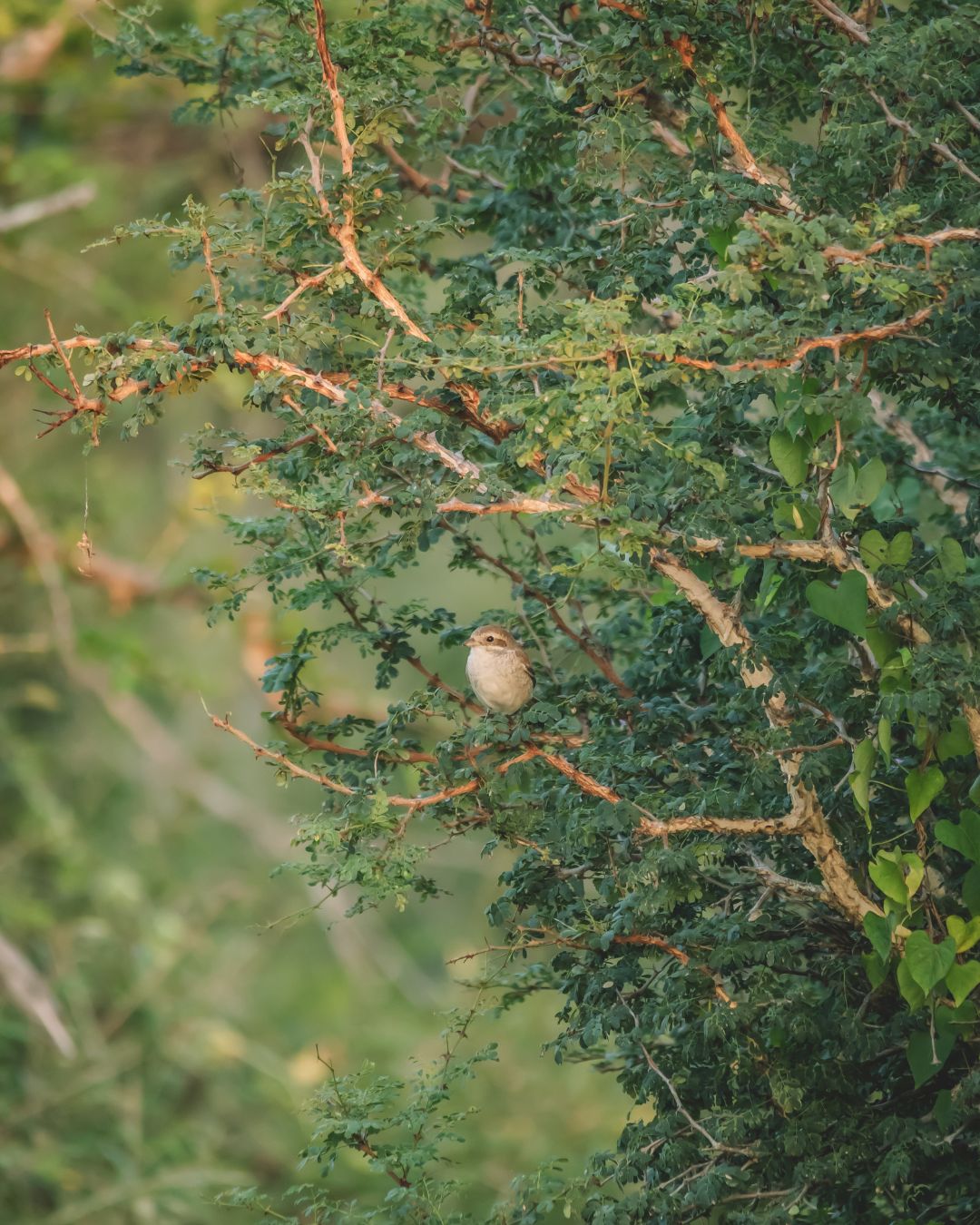
There is a subtle shift that takes place over the course of a stay. The urgency begins to fade. You realise that the bush does not need to perform — and neither do you. Moments unfold naturally, unhurried and unscripted.
And in that space, your awareness deepens. You begin to notice more, to feel more, and ultimately, to remember more.
What stays with you
Long after the sightings themselves, it is often these quieter details that stay with you. The track in the sand. The call that suddenly stopped. The feeling of being part of something, rather than simply observing it from a distance.
This is the art of noticing.
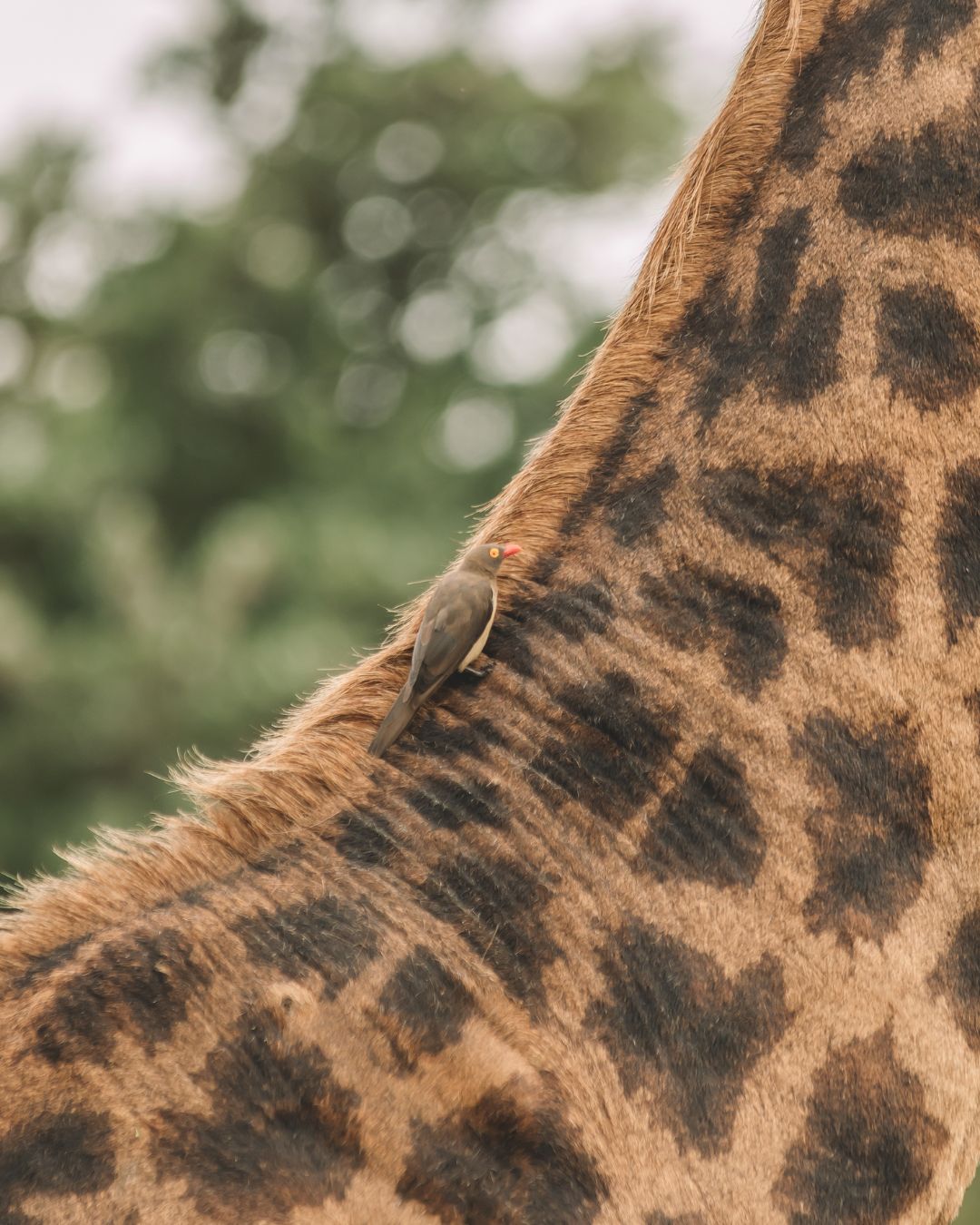
And once you’ve experienced it, it changes the way you see the bush — and perhaps, the way you see more than just the bush.
If you’ve experienced safari before, you may recognise this quiet shift in the bush.
And if you haven’t — it’s something waiting to be discovered. We’d love to share it with you at Shumbalala Game Lodge.
Further Reading
Can trees communicate with each other? The hidden conversations of the bushveld
Wed September 2, 2026
Read This Article
Beyond the Boundaries: Shumbalala Game Lodge in the Greater Kruger
Tue August 25, 2026
Read This Article
“Are we in Kruger?” It sounds like a simple question, and it is one that guests sometimes ask when trying to understand exactly where Shumbalala Game Lodge is located. The answer needs a little more explanation than a simple yes or no, but behind it lies an important story about Thornybush Nature Reserve, conservation and the value of giving wildlife the space to move. Shumbalala Game Lodge is situated within Thornybush Nature...
Winter in the Wild: How Lowveld Wildlife Adapts to the Dry Season
Wed July 29, 2026
Read This Article
Ask any guide about winter in the Lowveld and they’ll probably mention visibility before anything else. By July, the summer grasses have faded to gold, many deciduous trees have shed their leaves, and the bush begins to feel more open. Guests often comment that the wildlife seems more abundant at this time of year. The reality is a little more interesting. Winter doesn’t bring more animals to the landscape; it changes how...


Share This Post