


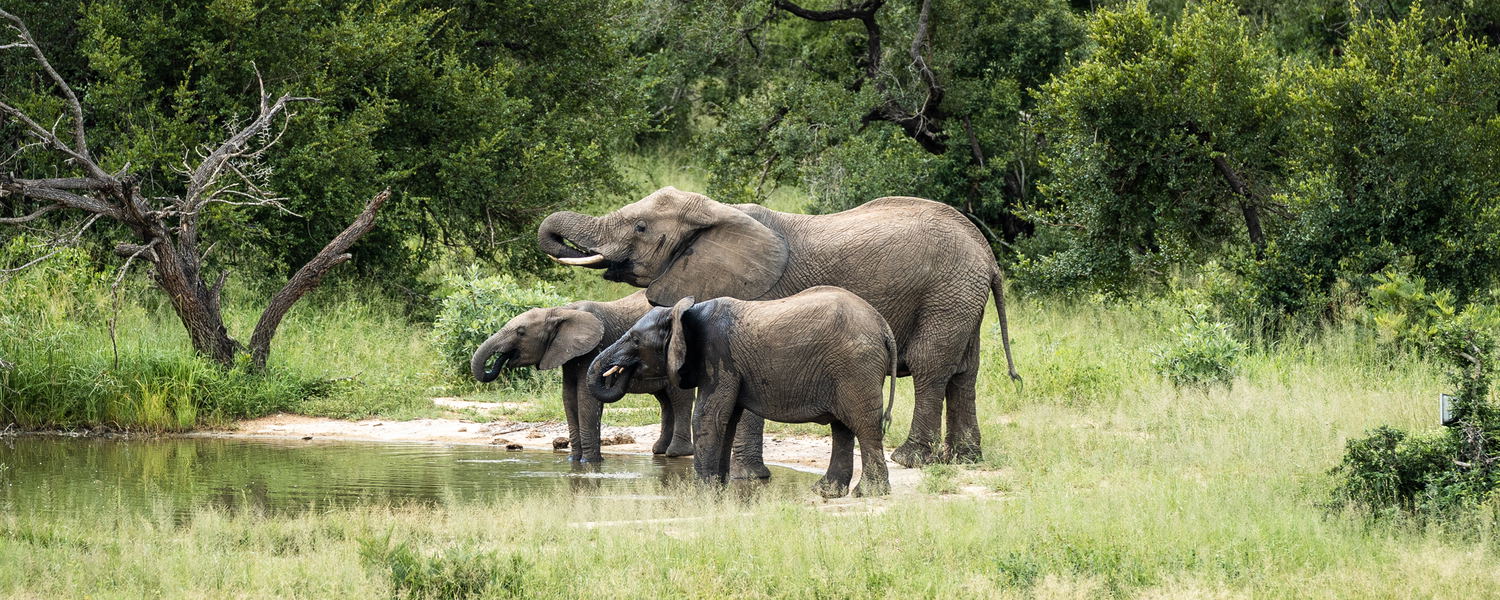
The sun has slipped below the horizon at Shumbalala Game Lodge, and the bush is beginning to change shift. The heat of the day softens. Nightjars begin calling. The beam of a spotlight moves quietly across the grass and along the road ahead. And then, there it is. A small shape sitting perfectly still in the track. Two long ears. Large eyes. For a moment, it seems undecided about what to do...
Pangolin Conservation in the Greater Kruger: Walking them back to the wild
Posted on Fri March 6, 2026.
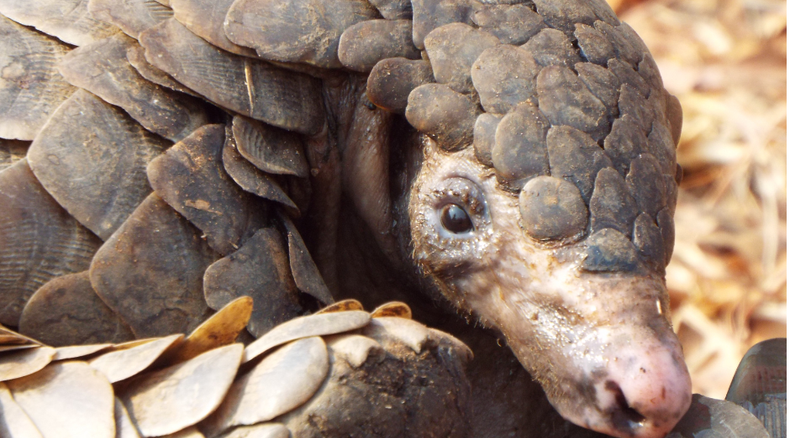
For many guests visiting the Greater Kruger, seeing a pangolin is the ultimate wish. It’s rare — and that rarity is part of what makes it so special.
Now and then, we hear from a guest who has been fortunate enough to witness one. Danielle, who stayed with us in 2022, was among the lucky few.
Most pangolins moving through this landscape are just that — wild, free, and wonderfully elusive. But when a pangolin is rescued from trafficking, returning it to that wild freedom requires something far more complex.
Shy, nocturnal and covered in protective keratin scales, pangolins are among Africa’s most elusive animals. When threatened, they curl into a tight ball — a defence that works against natural predators, but tragically not against humans.
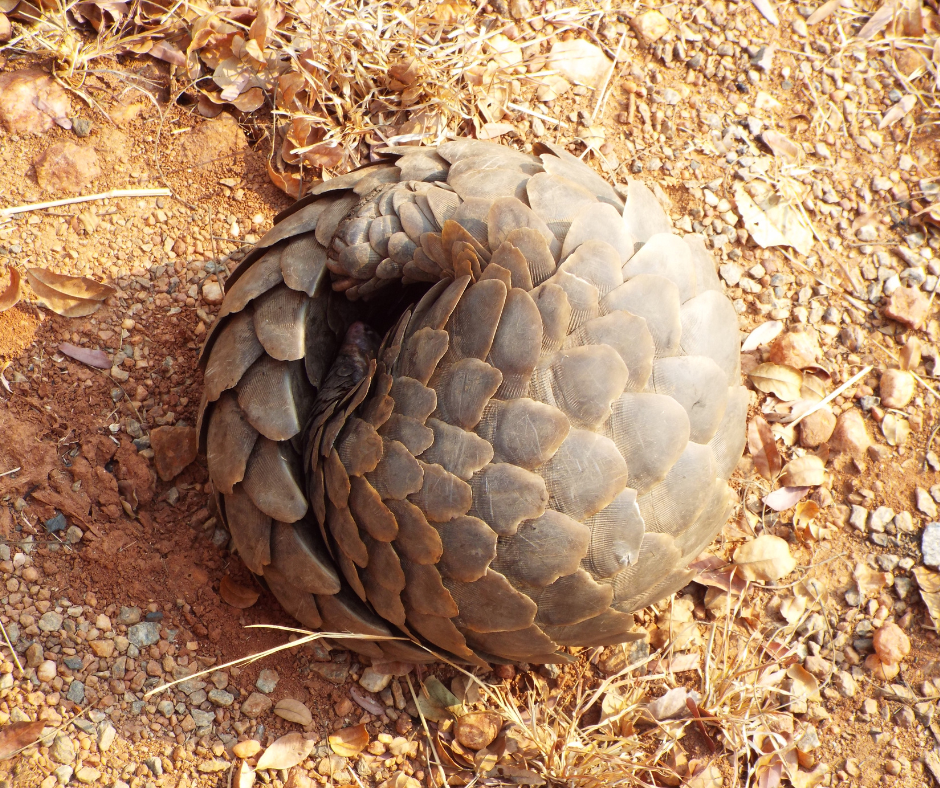
Pangolins are the most trafficked mammals in the world. Their scales are illegally traded, and many rescued individuals arrive in care dehydrated, malnourished and deeply stressed. Unlike many other wildlife rescues, they cannot simply be stabilised and released.
Pangolins eat only ants and termites. They are highly sensitive to stress, with specialised and fragile digestive systems. Without consistent natural feeding, they decline quickly.
This is where pangolin conservation in the Greater Kruger becomes both delicate and deeply demanding.
Rescued pangolins are rehabilitated at undisclosed locations across the region for their safety. The work is carried out by dedicated conservation teams, veterinary professionals and trained volunteers who specialise in pangolin rescue, rehabilitation and release.
What Pangolin Rehabilitation Really Involves
Once a pangolin is stable enough to leave intensive care, the next phase begins: outdoor rehabilitation — often referred to as “pangolin walking”.
Before each session, the animal is carefully weighed. Every gram matters. Weight gain or loss determines whether progress is being made. Small tracking lights are clipped to its tag so its movements can be followed through long grass in the dark.
In summer, walks typically begin at sunset, when temperatures cool and ants become active. The pangolin is released into natural habitat and encouraged to forage.
On an ideal evening, it quickly finds a rich ant nest and settles into steady feeding, sometimes remaining in one area for hours. The walker stands nearby, quietly observing and ensuring it remains safe.
But many nights are far from ideal.
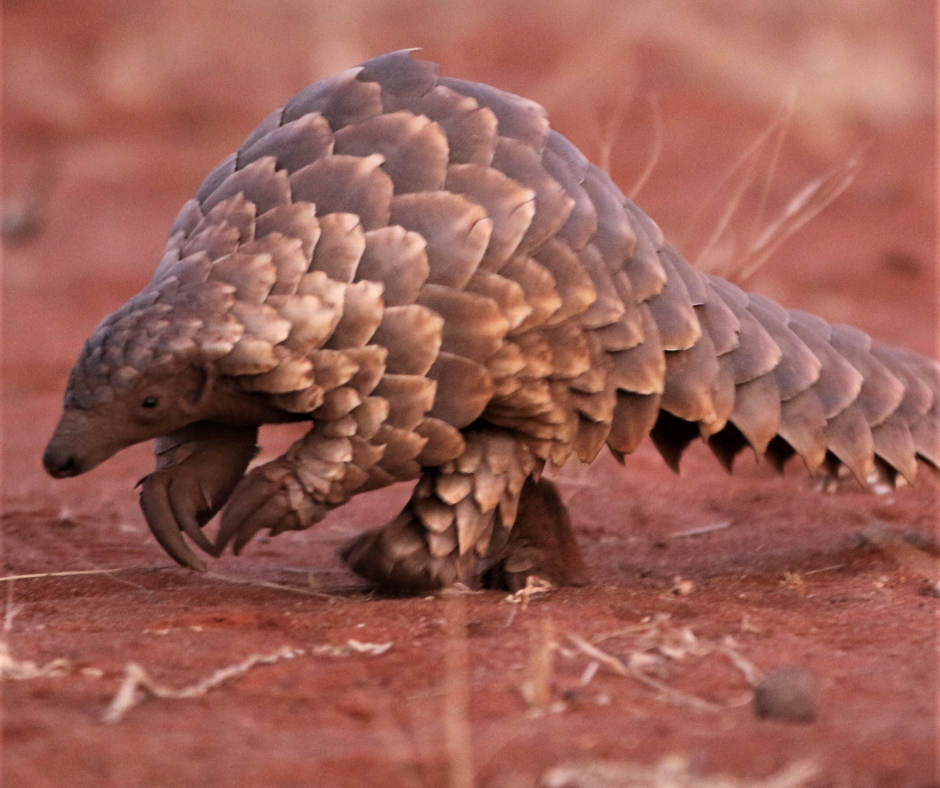
Newly rescued pangolins often carry visible signs of trauma. Instead of pausing to sniff and dig, they run. They move in straight lines through thick bush. They zigzag. They circle endlessly.
And wherever the pangolin goes, the walker follows — through thorn thickets and long grass, through mud after heavy rain. Sometimes for several kilometres in a single session. There are nights filled with humidity and insects, and nights when the distant call of a predator reminds you that this is still wild terrain.
Each session ends with another weigh-in. Notes are taken on feeding behaviour, distance covered and stress levels, guiding the veterinary teams overseeing recovery. Late at night, careful decisions must be made — whether to try one more location if feeding has been minimal, or to stop before the animal expends too much fragile energy.
Because without natural foraging, rehabilitation cannot succeed. Tube-feeding may support an animal temporarily, but relearning how to feed independently is essential for survival in the wild.
And then, slowly, something shifts.
The frantic running begins to ease. Feeding becomes more consistent. The kilometres shorten. The pangolin grows more focused on the ants beneath its claws than the quiet presence walking behind it.
Those are the nights that signal progress — small, steady steps back towards the wild.
Why Pangolin Conservation Matters
Rehabilitating a pangolin is not a simple rescue-and-release story. It requires secure facilities, veterinary oversight, daily fieldwork, specialised equipment and conservation professionals willing to walk in the dark for hours at a time.
Across the Greater Kruger, a network of committed organisations and individuals are working together to protect this species. Their efforts ensure that rescued pangolins do not simply survive — but regain the skills necessary to return to the ecosystem where they belong.
The next time you hear about a pangolin moving quietly through the bush at night, remember that its freedom may have been earned step by step — through mud, through uncertainty, through patience, and through someone choosing, again and again, to keep walking beside it.
Perhaps that is what conservation truly is.
Not only protecting wildlife — but walking with it until it can stand alone again.
Several organisations across the Greater Kruger are actively involved in pangolin rescue, rehabilitation, research and protection. If you would like to learn more or support their work, you can visit:
Scales Conservation Fund – https://www.scales.org.za/
African Pangolin Working Group (APWG) – https://africanpangolin.org/
Protrack Anti-Poaching Unit – https://protrackapu.co.za/
Further Reading
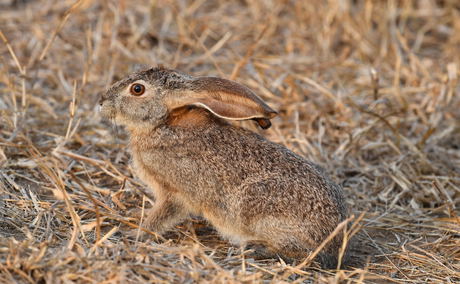
After Dark: Getting to Know the Lowveld’s Scrub Hare
Tue October 13, 2026
Read This Article
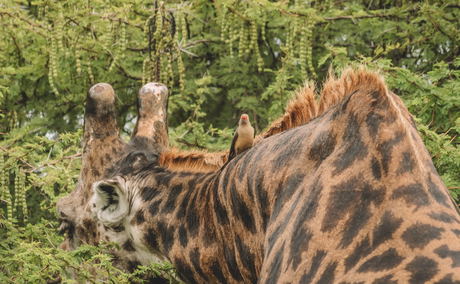
Can trees communicate with each other? The hidden conversations of the bushveld
Wed September 2, 2026
Read This Article
A giraffe reaches into the branches of a tree, curls its tongue around a cluster of leaves and begins to feed. After a while, it moves on to another tree. It is an everyday sight on safari at Shumbalala Game Lodge. But while our attention naturally follows the giraffe, something rather remarkable may be happening in the plants around it. The tree isn’t simply standing there, doing nothing. Plants can sense damage,...
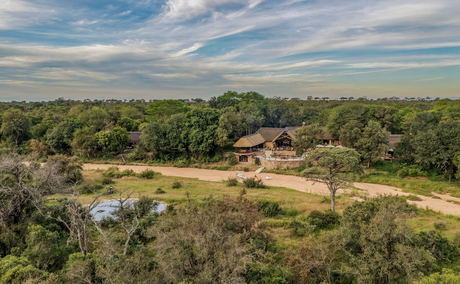
Beyond the Boundaries: Shumbalala Game Lodge in the Greater Kruger
Tue August 25, 2026
Read This Article
“Are we in Kruger?” It sounds like a simple question, and it is one that guests sometimes ask when trying to understand exactly where Shumbalala Game Lodge is located. The answer needs a little more explanation than a simple yes or no, but behind it lies an important story about Thornybush Nature Reserve, conservation and the value of giving wildlife the space to move. Shumbalala Game Lodge is situated within Thornybush Nature...

Share This Post