


The sun has slipped below the horizon at Shumbalala Game Lodge, and the bush is beginning to change shift. The heat of the day softens. Nightjars begin calling. The beam of a spotlight moves quietly across the grass and along the road ahead. And then, there it is. A small shape sitting perfectly still in the track. Two long ears. Large eyes. For a moment, it seems undecided about what to do...
Can trees communicate with each other? The hidden conversations of the bushveld
Posted on Wed September 2, 2026.
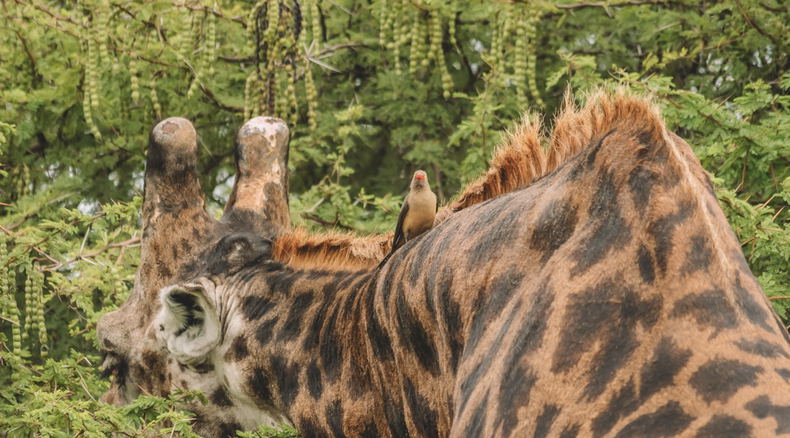
A giraffe reaches into the branches of a tree, curls its tongue around a cluster of leaves and begins to feed. After a while, it moves on to another tree.
It is an everyday sight on safari at Shumbalala Game Lodge. But while our attention naturally follows the giraffe, something rather remarkable may be happening in the plants around it.
The tree isn’t simply standing there, doing nothing.
Plants can sense damage, respond to being eaten and release chemical signals into the air. In some cases, neighbouring plants can detect these airborne chemicals and prepare their own defences.
So, can trees actually communicate with each other?
The answer is more interesting than a simple yes or no.
When a tree becomes lunch
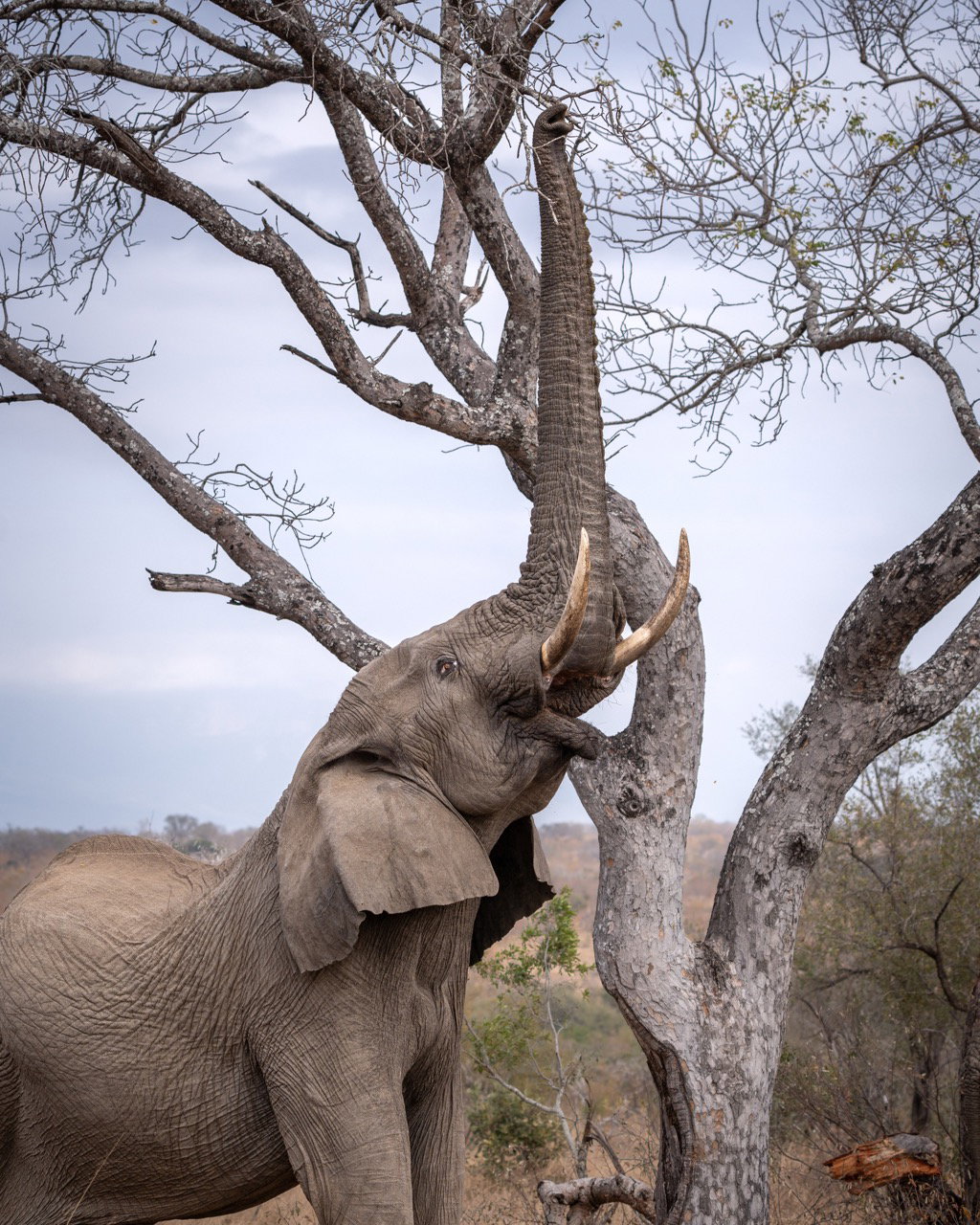 Image by Jordi Woerts
Trees may seem like passive members of the bushveld, but they have evolved many ways of protecting themselves from hungry mouths.
When leaves are damaged by browsing animals, some plants respond by increasing defensive chemicals in their remaining leaves. Among these are tannins — compounds that can make plant material less palatable and more difficult for an animal to digest.
Tannins bind with proteins, reducing the nutritional value of the leaves. For a browsing animal, that can make continuing to feed from the same plant less rewarding.
Unlike an animal, a tree cannot run away from danger. Instead, chemistry is one of its lines of defence.
And that is where the story becomes even more interesting.
Messages carried on the air
When plants are damaged, they can release tiny airborne chemicals known as volatile organic compounds, or VOCs.
We cannot see these chemicals, but nearby plants can sometimes detect them. Research has shown that, in certain species, exposure to compounds released by a damaged plant can cause another plant to prepare or strengthen its own defences.
It is tempting to describe this as one tree “warning” another, but scientists are more careful with that language. A plant isn’t necessarily sending a deliberate message. Instead, one plant releases chemicals as part of its response to damage, and another may be able to detect and respond to those chemical cues.
You may have heard a story often shared in safari circles that browsed acacias release ethylene gas, causing neighbouring trees to increase the tannins in their leaves. While ethylene is an important plant hormone involved in many processes, including responses to stress and injury, this particular explanation should not be treated as an established example of trees warning one another.
The broader science of airborne plant signalling, however, is very real — and wonderfully complex. Different plants release mixtures of volatile compounds when damaged, and researchers continue to investigate how neighbouring plants and even insects respond to them.
What is clear, however, is that a tree being browsed is far from inactive.
The browsers have their own strategies
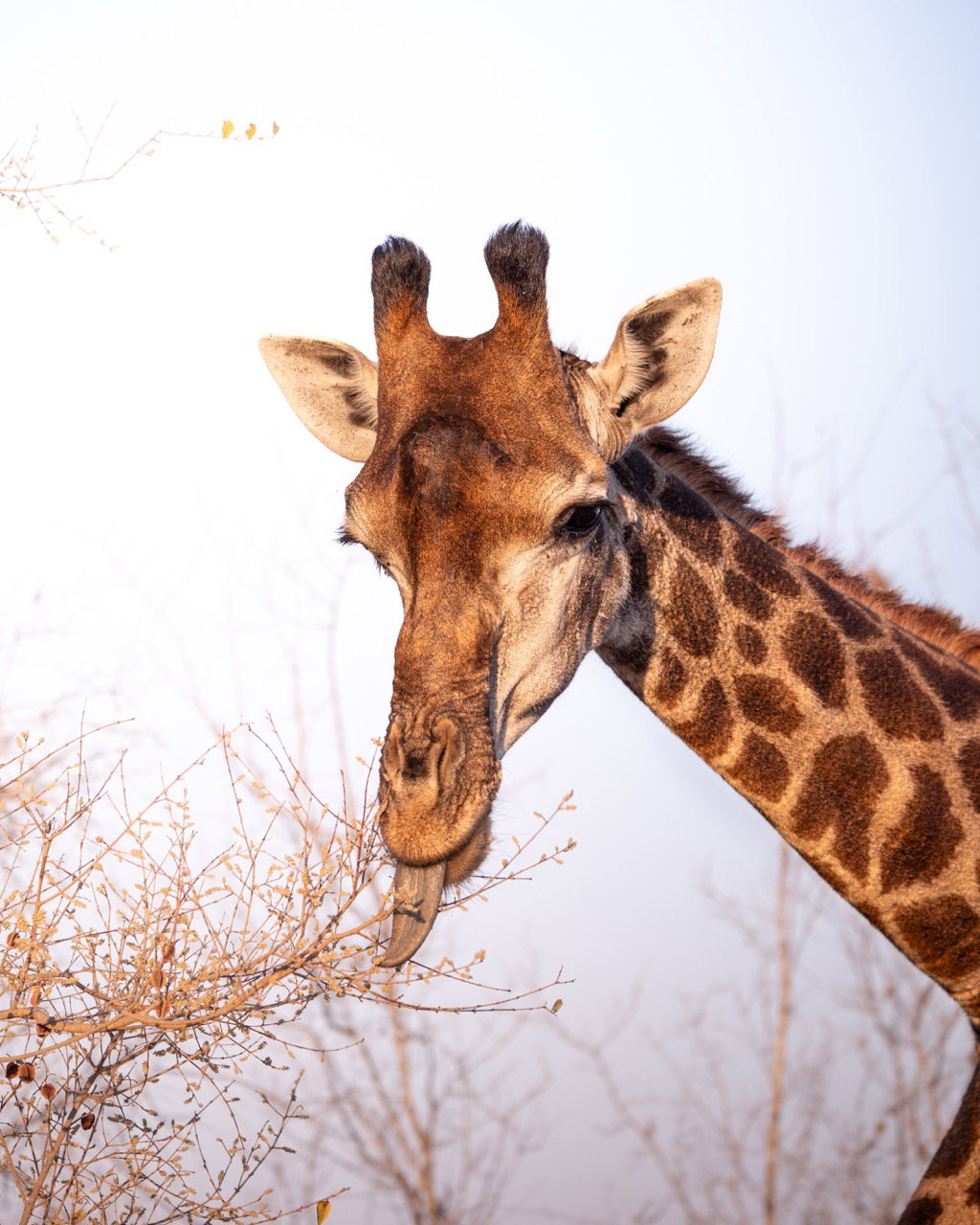 Giraffe feeding, taken by Jordi Woerts.
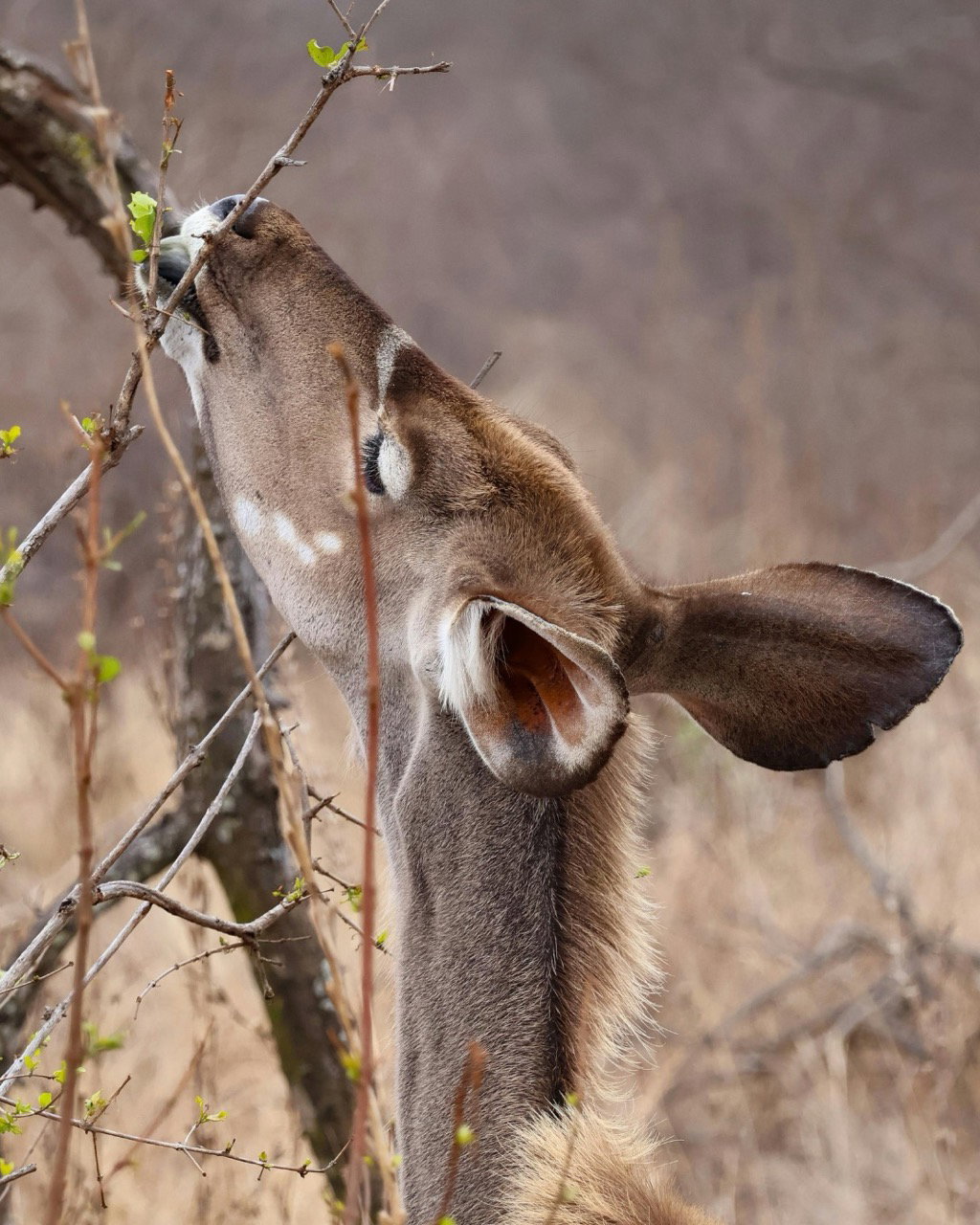
Of course, giraffes, kudu, elephants and other browsers have spent thousands of generations living alongside the plants they eat.
They aren’t passive participants either.
Browsers make choices about where they feed, which plants they select and how long they remain in one place. The nutritional value, physical defences and chemical composition of plants can all influence those decisions.
This creates a fascinating relationship.
A herbivore feeds. The plant responds. The herbivore moves, chooses another branch or searches for another tree. Across generations, both plants and animals have evolved within this constant interaction.
The next time you watch a giraffe moving between trees, there is much more to consider than which leaves it happens to fancy.
And there is another world beneath the soil
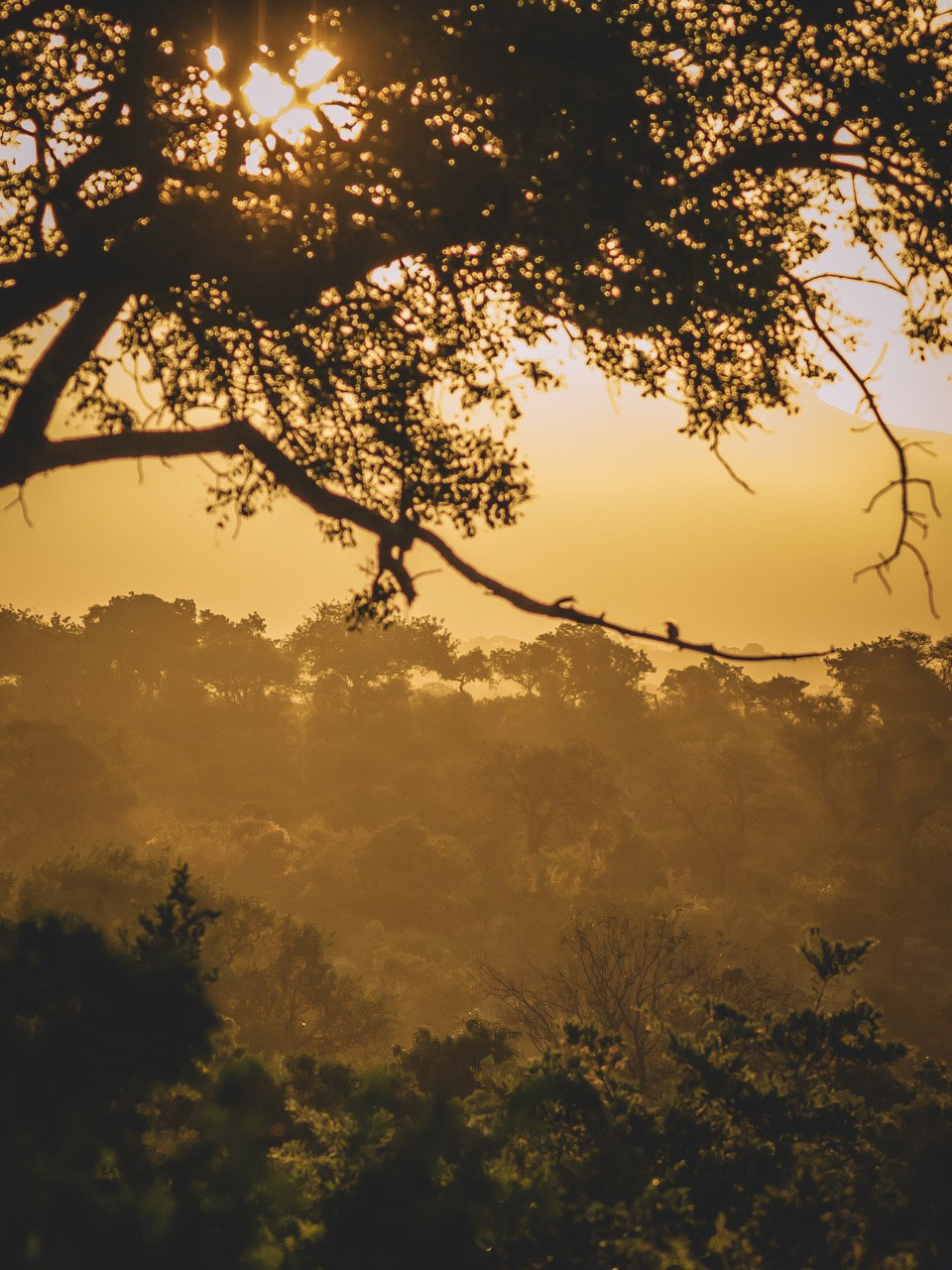
The story doesn’t end above ground.
Beneath our feet, many plants live in close partnership with mycorrhizal fungi. These fungi connect with plant roots and send incredibly fine fungal threads out into the surrounding soil.
It can be a useful partnership. The fungi can help a plant access water and nutrients, while receiving sugars produced by the plant through photosynthesis in return.
Because these fungal threads can extend through the soil and sometimes connect with the roots of more than one plant, they have inspired the popular idea of a “wood wide web” — an underground network through which trees communicate and share resources.
It’s a wonderful image, but the science is more complicated.
Researchers continue to investigate what actually moves through these shared fungal networks, how often transfers occur under natural conditions, and how important they are to the plants involved. The idea that trees are deliberately sending messages or sharing resources with one another through an underground internet goes beyond what the evidence currently allows us to say with confidence.
What we do know is already remarkable enough.
Hidden beneath the soil is a complex community of roots, fungi and microorganisms, constantly interacting in ways that help shape the ecosystem we see above ground.
Some plants can even “call for help”
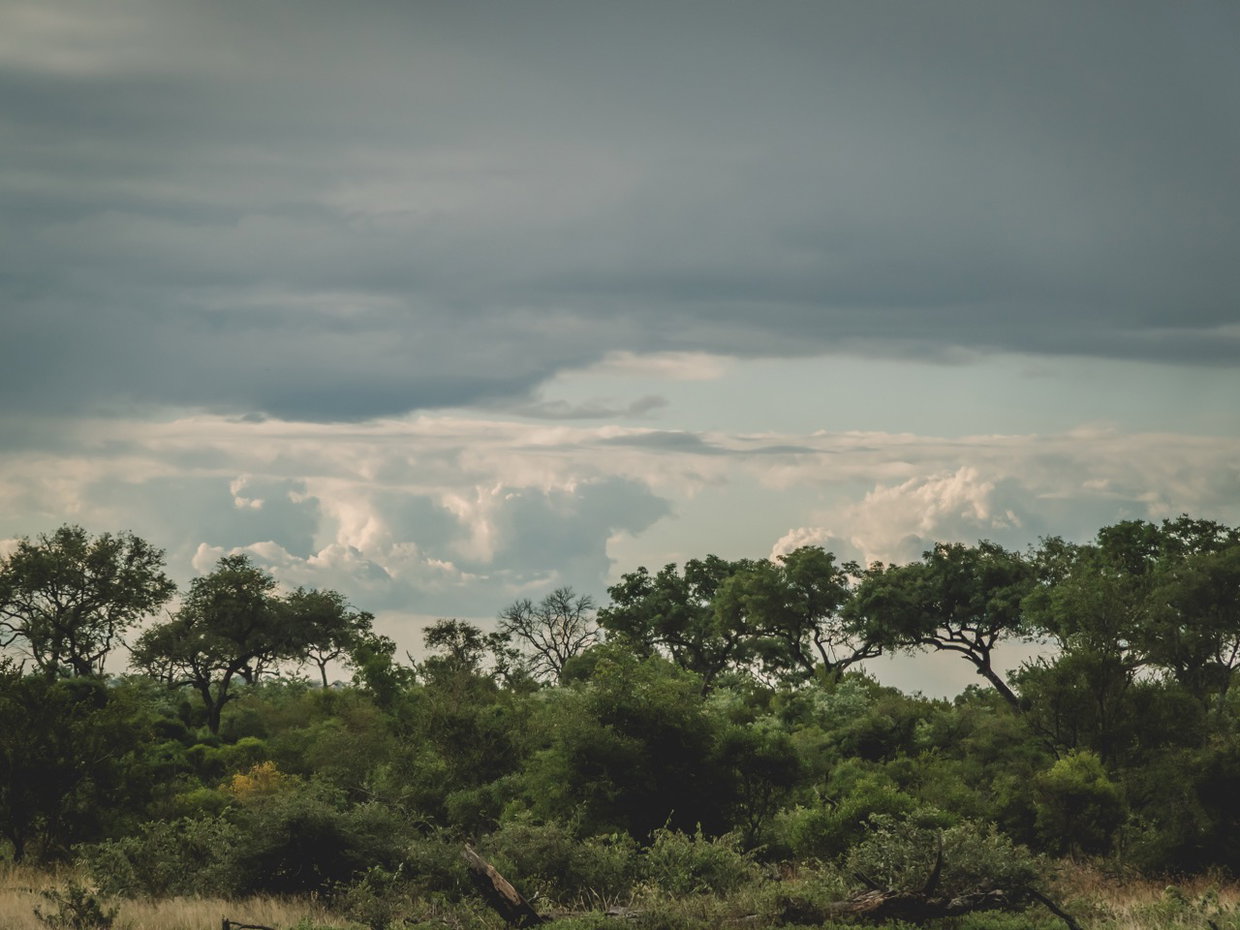
Airborne chemicals can have another surprising purpose.
Imagine a caterpillar feeding on the leaves of a plant. As the caterpillar chews and damages the leaves, the plant may release a particular mixture of scents into the air.
Some of these scents can attract the caterpillar’s natural enemies, such as tiny parasitic wasps. The wasps follow the chemical clues to find the caterpillar, where they may lay their eggs.
In this way, the plant’s response to being eaten can help attract an insect that deals with the very creature feeding on it.
It is a remarkable relationship: a caterpillar chews a leaf, the plant’s chemistry changes, and another insect may pick up the scent.
There is far more information travelling through the air around us than our own senses can detect. 🌿
A quieter conversation in the bushveld
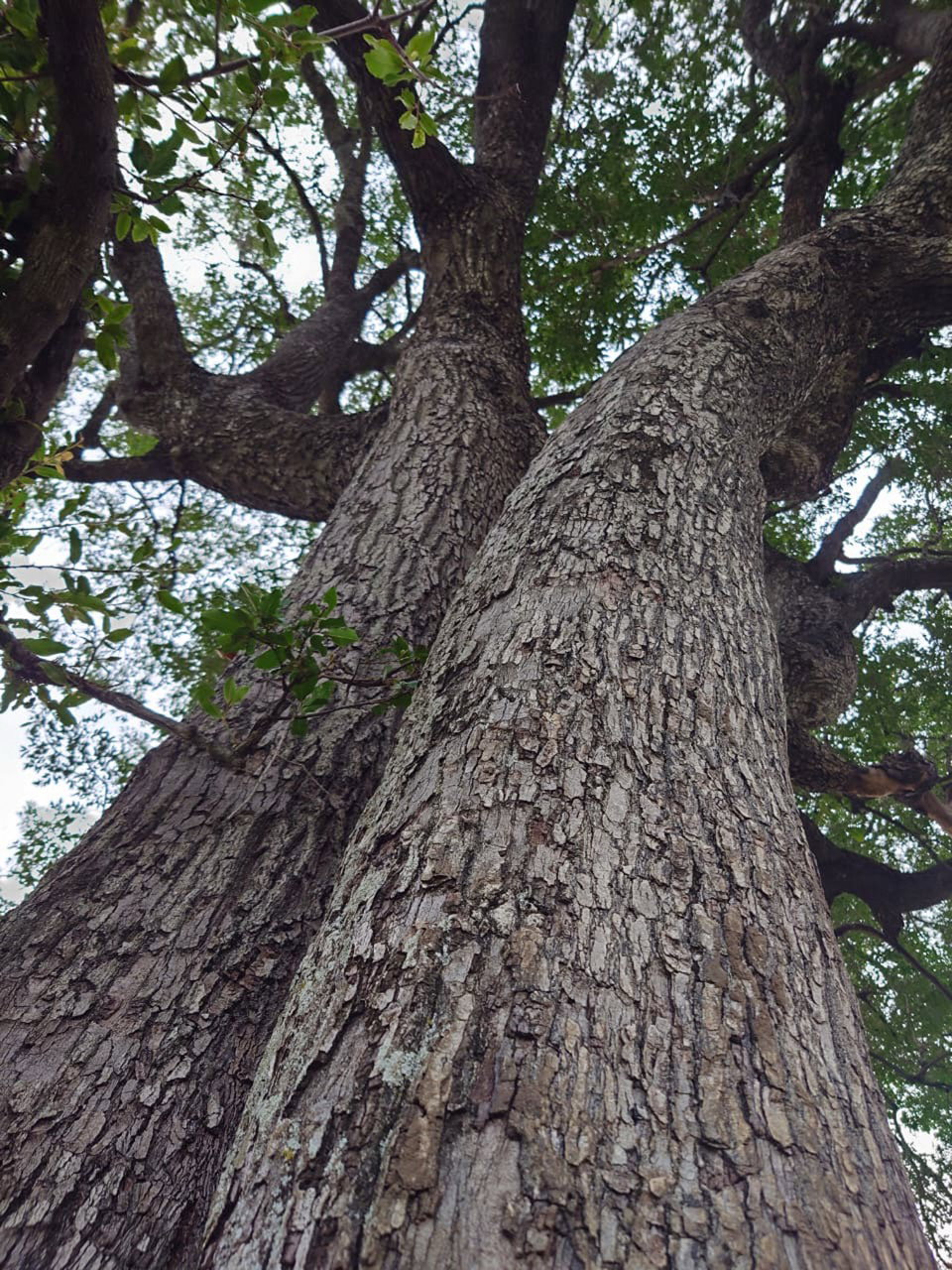 Jackalberry tree
On safari, it is easy to focus on movement.
The flick of a leopard’s tail. An elephant crossing the road. A giraffe stretching into the canopy. A herd disappearing quietly through the grass.
Trees are easier to overlook.
Yet stop beneath one for a moment and an entire community is at work. Insects feed on its leaves. Birds search its branches. Fungi interact with its roots. Herbivores browse its foliage. Chemical signals move through its tissues and into the air around it.
Some of those signals may even influence the plants growing nearby.
So, can trees communicate with each other?
In a sense, yes — but not through thoughts, words or conversations as we understand them. Plants can release and respond to chemical signals, both within themselves and in their surroundings. Scientists continue to uncover just how complex these interactions can be.
It gives us another reason to look a little more closely at the trees around Shumbalala Game Lodge.
The next time you watch a giraffe take a mouthful of leaves and wander towards the next tree, keep watching.
There may be far more to that simple moment than meets the eye.
Further Reading
After Dark: Getting to Know the Lowveld’s Scrub Hare
Tue October 13, 2026
Read This Article
Beyond the Boundaries: Shumbalala Game Lodge in the Greater Kruger
Tue August 25, 2026
Read This Article
“Are we in Kruger?” It sounds like a simple question, and it is one that guests sometimes ask when trying to understand exactly where Shumbalala Game Lodge is located. The answer needs a little more explanation than a simple yes or no, but behind it lies an important story about Thornybush Nature Reserve, conservation and the value of giving wildlife the space to move. Shumbalala Game Lodge is situated within Thornybush Nature...
Winter in the Wild: How Lowveld Wildlife Adapts to the Dry Season
Wed July 29, 2026
Read This Article
Ask any guide about winter in the Lowveld and they’ll probably mention visibility before anything else. By July, the summer grasses have faded to gold, many deciduous trees have shed their leaves, and the bush begins to feel more open. Guests often comment that the wildlife seems more abundant at this time of year. The reality is a little more interesting. Winter doesn’t bring more animals to the landscape; it changes how...


Share This Post