


A giraffe reaches into the branches of a tree, curls its tongue around a cluster of leaves and begins to feed. After a while, it moves on to another tree. It is an everyday sight on safari at Shumbalala Game Lodge. But while our attention naturally follows the giraffe, something rather remarkable may be happening in the plants around it. The tree isn’t simply standing there, doing nothing. Plants can sense damage,...
Beyond the Boundaries: Shumbalala Game Lodge in the Greater Kruger
Posted on Tue August 25, 2026.
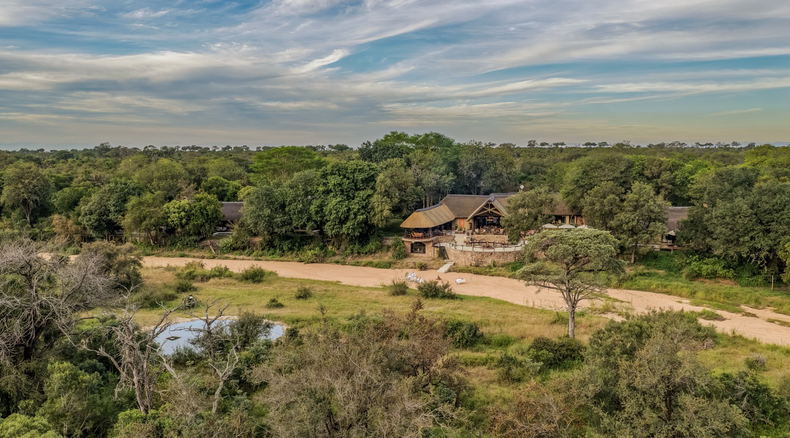
“Are we in Kruger?”
It sounds like a simple question, and it is one that guests sometimes ask when trying to understand exactly where Shumbalala Game Lodge is located. The answer needs a little more explanation than a simple yes or no, but behind it lies an important story about Thornybush Nature Reserve, conservation and the value of giving wildlife the space to move.
Shumbalala Game Lodge is situated within Thornybush Nature Reserve in South Africa’s Lowveld, forming part of the wider conservation landscape commonly known as the Greater Kruger. Kruger National Park itself has defined boundaries, while Greater Kruger describes a much broader connected conservation landscape that includes the national park and neighbouring protected areas and private nature reserves.
For first-time safari guests, the words “private nature reserve” can sometimes create the wrong picture. It may sound like a relatively small, enclosed area, with its own wildlife contained within its boundaries. The story of Thornybush Nature Reserve is quite different, and understanding how it became part of this larger landscape helps explain why.
From a farm to a connected landscape
The history of Thornybush Nature Reserve dates back to 1955, when the original Thornybush farm covered just 1,640 hectares. Over the decades, the area evolved considerably, with one particularly important moment in its conservation journey in 2017, when Thornybush Nature Reserve started removing the fence along its boundary with neighbouring Timbavati.
Timbavati was already unfenced along its boundary with Kruger National Park, so opening this boundary connected Thornybush Nature Reserve to the wider Greater Kruger system. On a map, taking down a fence may appear to be a relatively small change. On the ground, its significance is much greater. Where physical barriers had restricted movement, wildlife was once again able to move more freely across a much larger conservation landscape.
It is an important distinction when understanding where Shumbalala Game Lodge is located. We are not situated inside Kruger National Park; we are within Thornybush Nature Reserve. Yet our reserve forms part of the wider Greater Kruger conservation landscape, where wildlife has greater opportunity to move beyond individual reserve boundaries.
Why does taking down a fence matter?
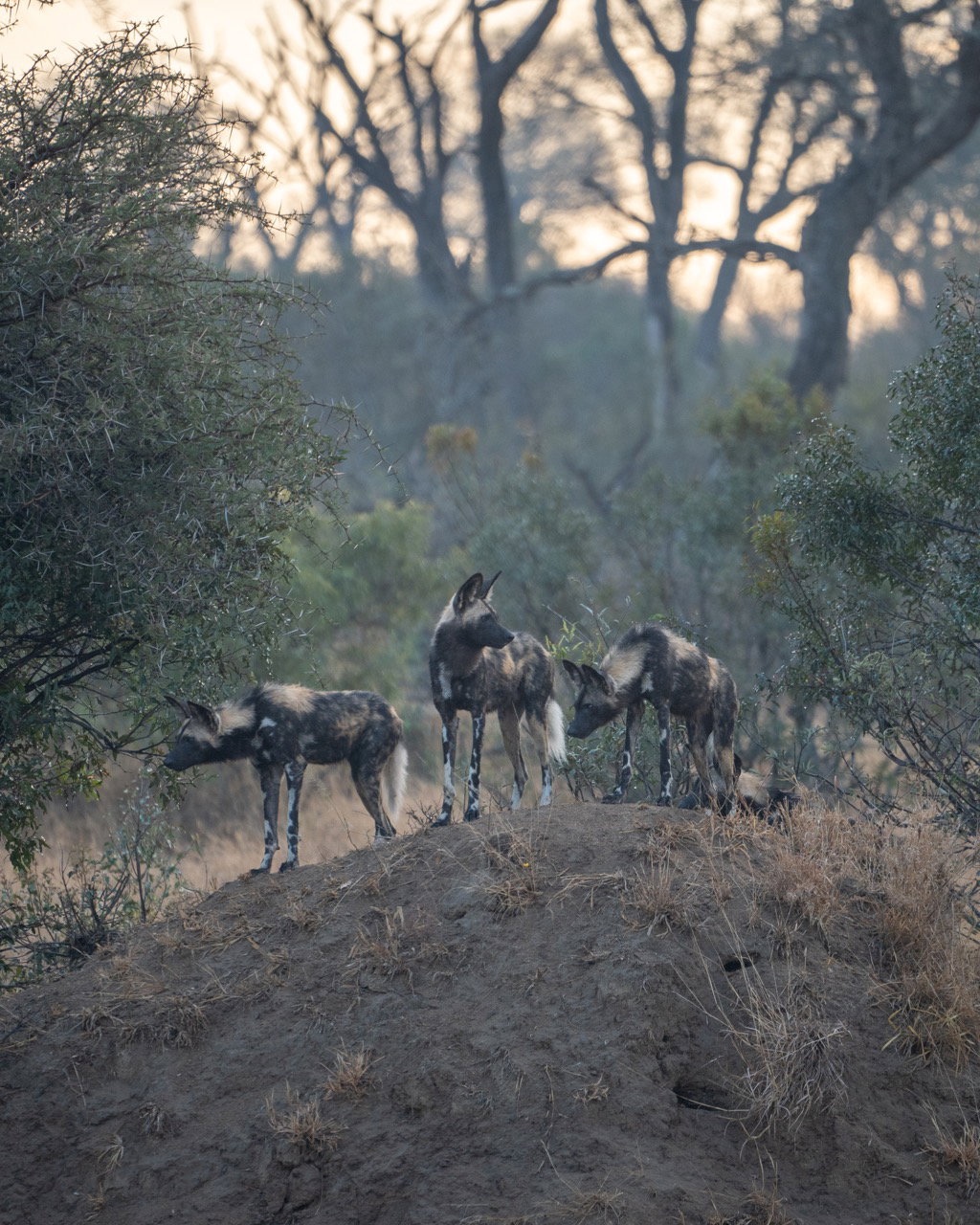 Wild dogs, by Jordi Woerts
Wild animals move in response to their environment. Water and vegetation change with the seasons, herds move towards available resources, predators respond to the movements of prey, and young animals may disperse in search of territories of their own. Fences can interrupt these natural patterns, while connecting protected areas gives wildlife greater opportunity to respond to changing conditions and allows natural ecological processes more room to unfold.
Connectivity can also support healthier wildlife populations over the longer term. When populations are confined and isolated, genetic variation can become restricted. A larger open system creates greater opportunity for animals and populations to mix, while reducing some of the pressures associated with managing wildlife within smaller, enclosed areas.
This does not mean conservation is simply a matter of removing barriers and leaving nature to take care of itself. Changing ecosystems still require careful monitoring, research and informed management. The movements of one species can affect vegetation and other wildlife, making ongoing observation an important part of understanding how the landscape responds.
What does an open system mean on safari?
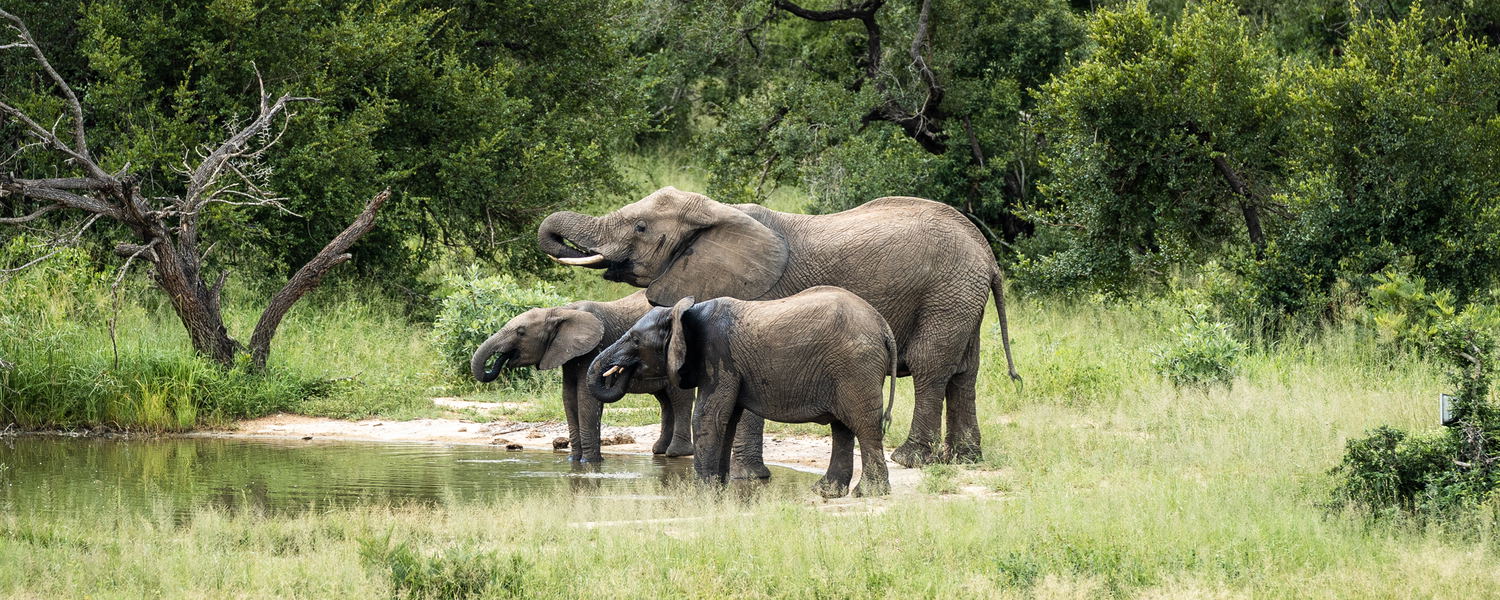
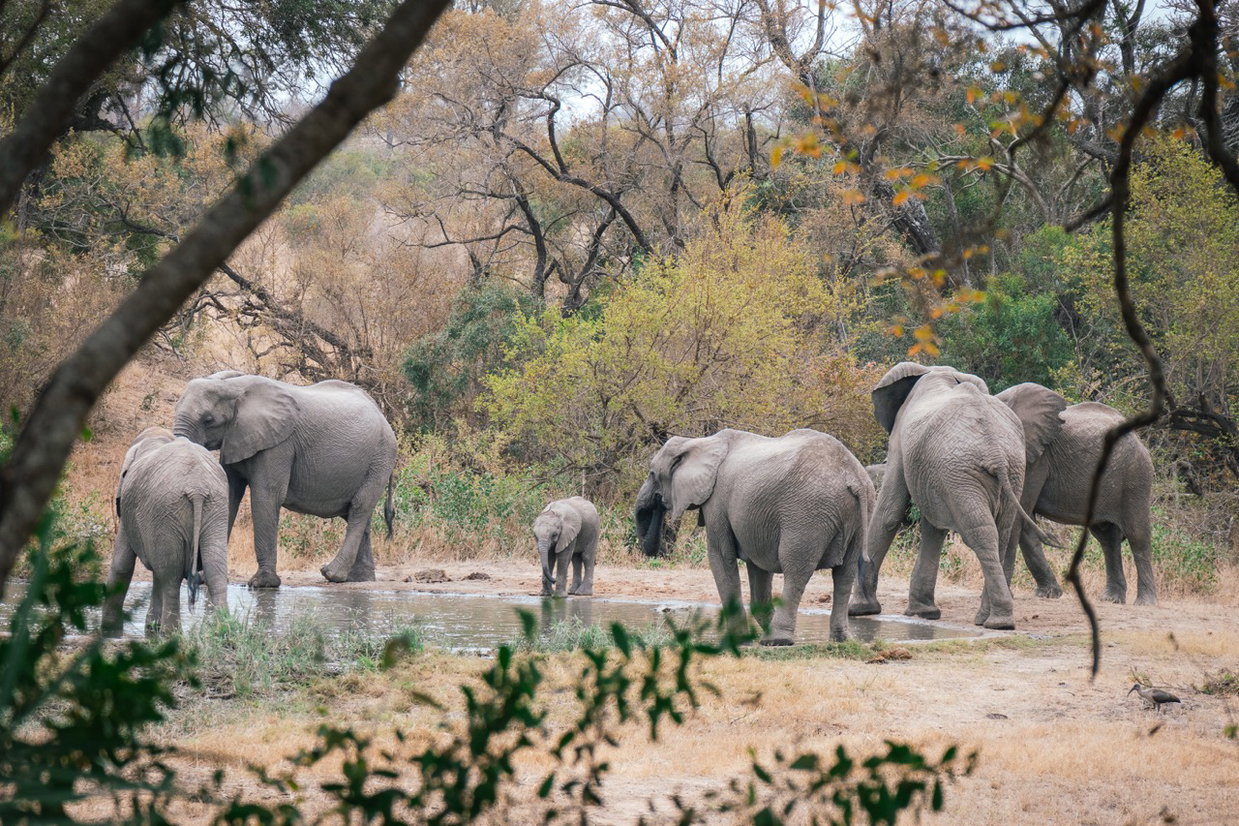 Elephants gathering to drink at the waterhole at Shumbalala Game Lodge
For guests at Shumbalala Game Lodge, this larger conservation story becomes something you can experience every time you head out on a game drive.
There is no guarantee that the leopard seen yesterday will be resting beneath the same tree this morning, or that the elephants drinking at the waterhole over breakfast will still be nearby that afternoon. Wildlife comes and goes according to its own rhythms. That uncertainty is not a shortcoming of safari; it is one of the things that makes each encounter meaningful.
It also makes the knowledge and experience of our guides particularly important. Finding wildlife often begins long before the animal itself comes into view. Tracks pressed into the dust, an alarm call from somewhere in the bush, the direction an animal was travelling or the behaviour of other wildlife nearby can all become pieces of a much larger puzzle.
Over time, individual animals become familiar too. Our guides learn to notice the small details: the darkness of a lion’s mane, a scar on its nose, a nick in an ear, or how much a cub has grown since the last sighting. Territories change, new individuals arrive and familiar animals may appear somewhere unexpected.
For a guest, it may be the first time they have ever seen that particular lion. For a guide who spends day after day in the reserve, it may be another chapter in a story they have been following for months. This is part of what makes safari about far more than ticking species off a list. Each drive is an opportunity to read the landscape, notice what has changed and see where the clues lead.
A bigger conservation picture
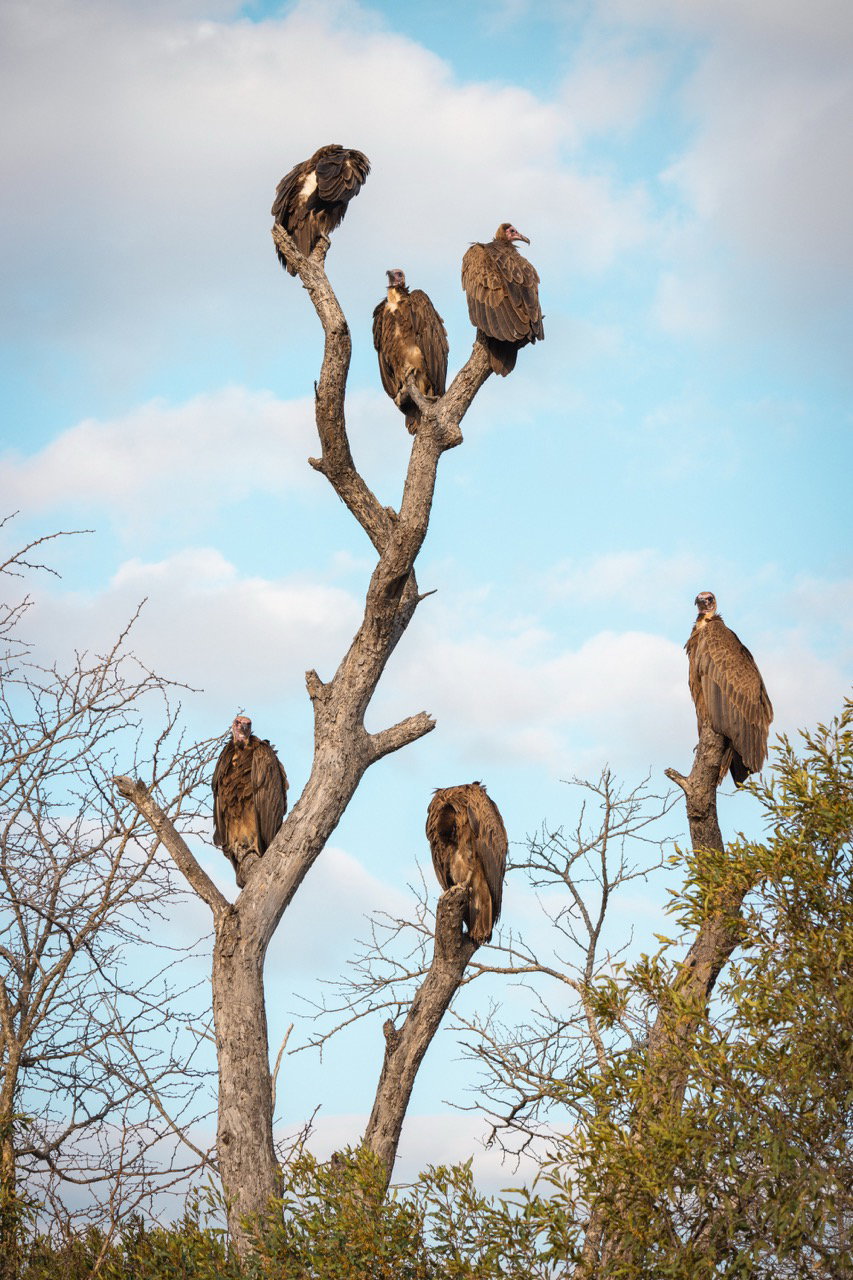 Vultures gathering close to a lion kill
It is easy to think of an open landscape in terms of elephants, lions and leopards, but conservation on this scale reaches far beyond the animals at the top of a safari wish list. The bush is built on relationships: grazers and grasslands, browsers and trees, predators and prey, insects and flowering plants. Water, soil, vegetation, fire and seasonal rainfall influence them all.
Connected protected landscapes give these relationships more room to unfold. They also matter for species that travel far beyond the area we might see on a single game drive, from large mammals to wide-ranging birds. Conservation, in this sense, is not only about protecting individual animals. It is about protecting enough connected habitat for a functioning ecosystem.
Where does tourism fit in?
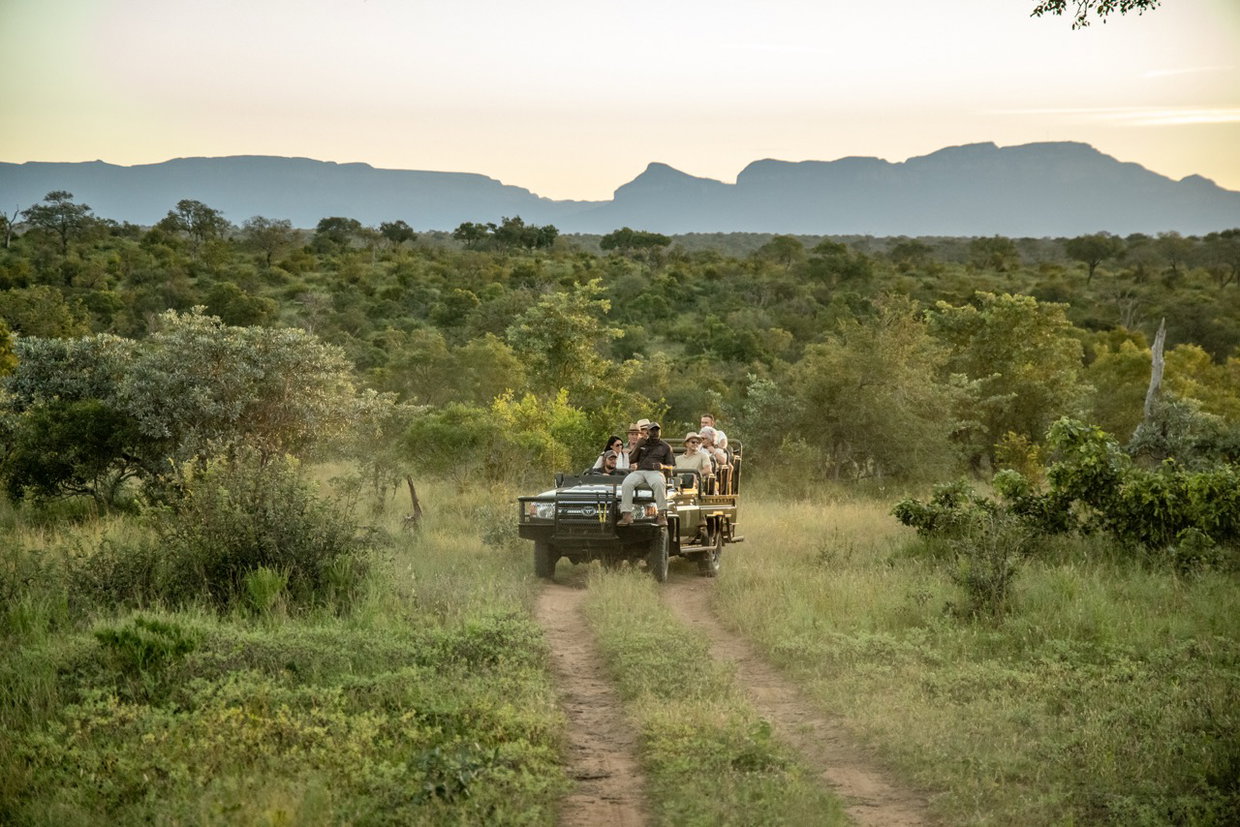
Conservation also involves people. Protecting large natural landscapes requires resources, skills and cooperation, and responsible nature-based tourism has an important role to play. Safari tourism supports employment and livelihoods while helping generate the resources needed to manage and protect the environments on which the experience itself depends.
For guests, this adds another dimension to a safari at Shumbalala Game Lodge. The experience is not separate from the conservation landscape around it; it is part of a wider relationship between wildlife, protected spaces and the people committed to their future.
Seeing the bigger picture
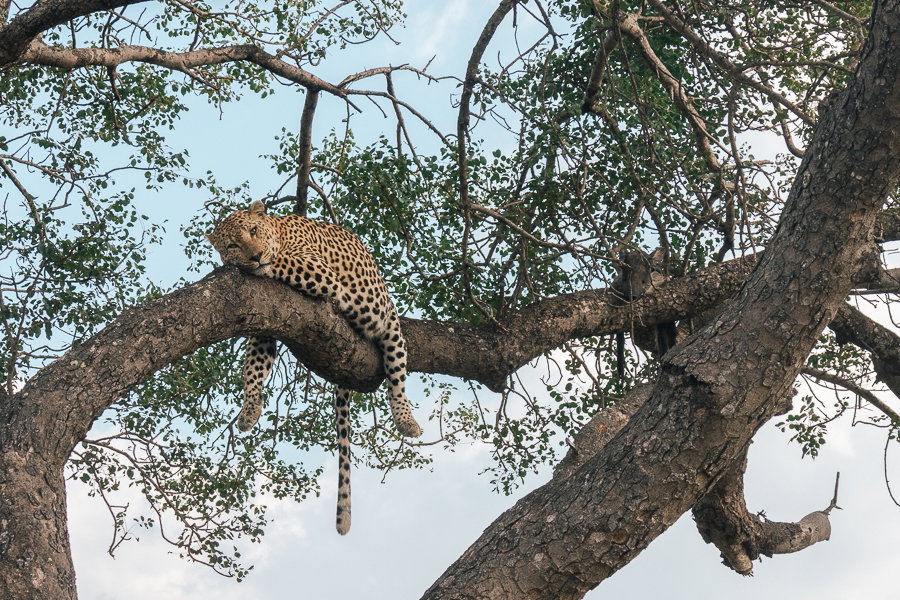
There is something special about understanding all of this while sitting at Shumbalala Game Lodge. Perhaps an elephant is drinking at the waterhole, a herd of buffalo is moving through the bush, or a lion has just disappeared into the grass at the end of a morning drive. What you are witnessing is one moment in a story unfolding across a landscape much larger than the area immediately around you.
As people, we need names and boundaries. They tell us where one reserve begins and another ends, who is responsible for managing and protecting different areas, and how these spaces fit together. Those distinctions matter. Wildlife experiences the landscape differently. Its movements are shaped by food, water, territory, rainfall, seasons and instinct rather than the names written across our maps.
So, are we in Kruger?
More precisely, Shumbalala Game Lodge is situated within Thornybush Nature Reserve, part of the wider Greater Kruger conservation landscape. Beginning in February 2017, the removal of Thornybush Nature Reserve’s boundary fence helped reconnect the reserve to this wider open system, giving wildlife greater freedom to follow pathways shaped by nature rather than property lines.
Perhaps that is one of the most meaningful things to understand when staying at Shumbalala Game Lodge. The wildlife you see is not here simply because a fence keeps it close to the lodge. Quite the opposite. Part of the conservation story of Thornybush Nature Reserve has been about removing barriers and giving wildlife greater freedom to choose where it goes.
The elephant at the waterhole may still be there tomorrow. It may not.
And knowing that it has somewhere else to go is part of what makes the encounter so special.
Further Reading
Can trees communicate with each other? The hidden conversations of the bushveld
Wed September 2, 2026
Read This Article
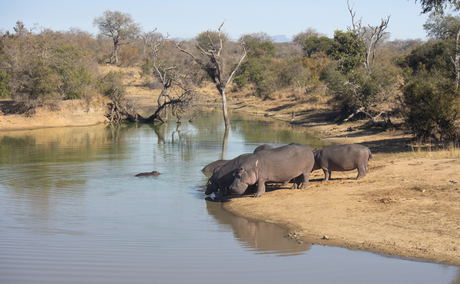
Winter in the Wild: How Lowveld Wildlife Adapts to the Dry Season
Wed July 29, 2026
Read This Article
Ask any guide about winter in the Lowveld and they’ll probably mention visibility before anything else. By July, the summer grasses have faded to gold, many deciduous trees have shed their leaves, and the bush begins to feel more open. Guests often comment that the wildlife seems more abundant at this time of year. The reality is a little more interesting. Winter doesn’t bring more animals to the landscape; it changes how...
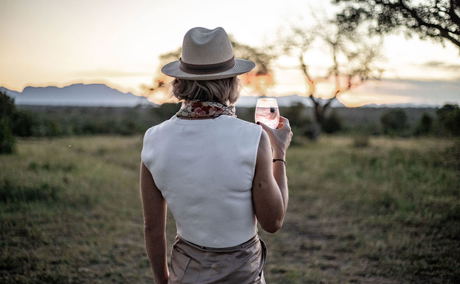
The Evening Ritual: From Sundowners To Starlight At Shumbalala Game Lodge
Tue June 9, 2026
Read This Article
Some moments on safari announce themselves immediately — a leopard stepping into view, a lion’s roar carrying through cool night air. Others arrive more quietly: the first coolness after a warm afternoon, ice cracking against a glass at sundowners, the welcome heat of the fireplace waiting back at your suite after dinner. These smaller moments often become what stays with you longest. At Shumbalala Game Lodge, evenings unfold slowly. They begin earlier...

Share This Post