


The sun has slipped below the horizon at Shumbalala Game Lodge, and the bush is beginning to change shift. The heat of the day softens. Nightjars begin calling. The beam of a spotlight moves quietly across the grass and along the road ahead. And then, there it is. A small shape sitting perfectly still in the track. Two long ears. Large eyes. For a moment, it seems undecided about what to do...
Winter in the Wild: How Lowveld Wildlife Adapts to the Dry Season
Posted on Wed July 29, 2026.
Ask any guide about winter in the Lowveld and they’ll probably mention visibility before anything else. By July, the summer grasses have faded to gold, many deciduous trees have shed their leaves, and the bush begins to feel more open. Guests often comment that the wildlife seems more abundant at this time of year.
The reality is a little more interesting.
Winter doesn’t bring more animals to the landscape; it changes how they use it. Water becomes scarcer, food changes in quality, temperatures swing between crisp mornings and warm afternoons, and every species responds in its own way. Once you begin to notice those seasonal adaptations, the bush starts to reveal itself differently. A visit to a waterhole, a fresh set of tracks in the dust or a lion resting in the morning sun all begin to make a little more sense.
Following the Water
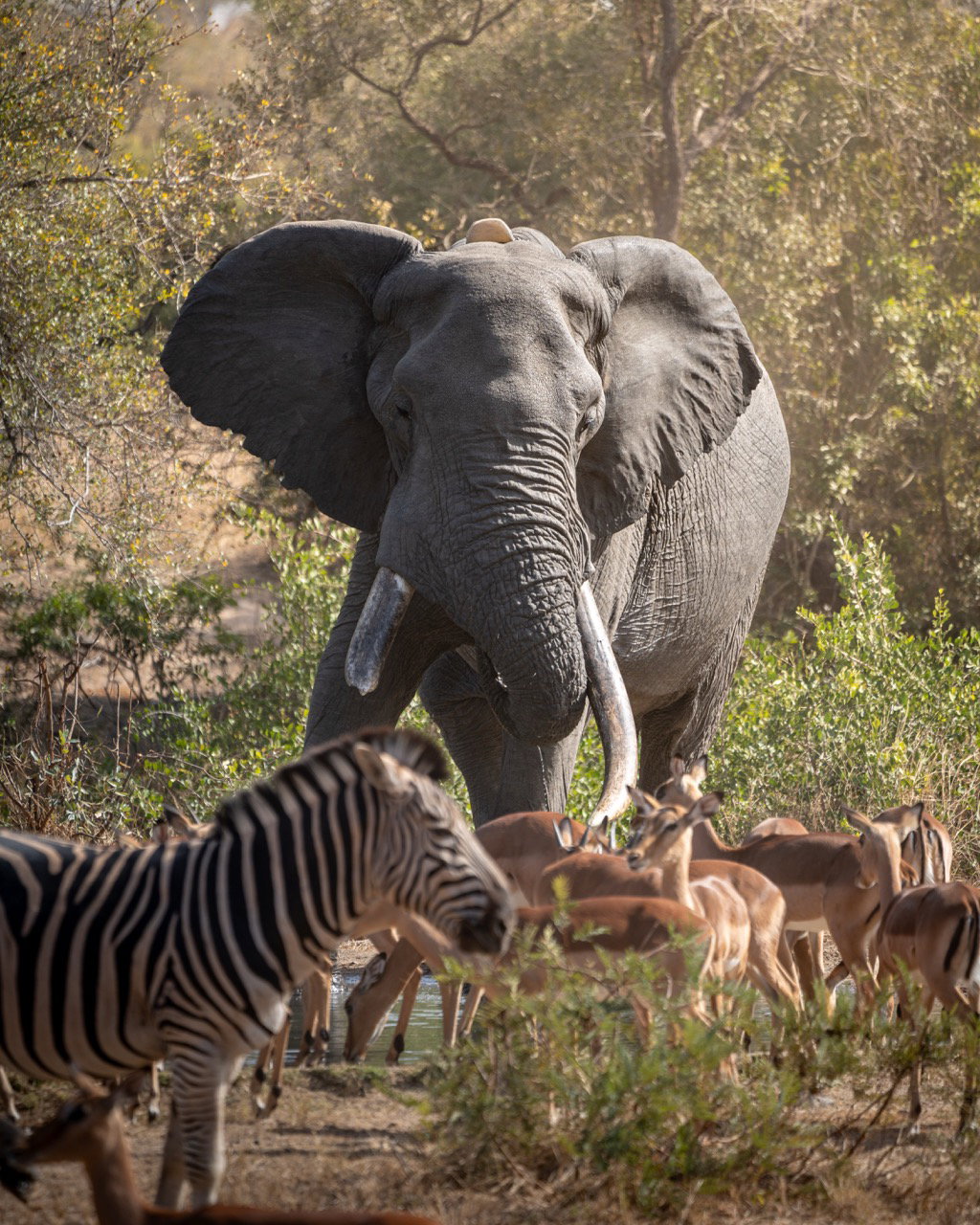 Wildlife congregating at a waterhole, by Jordi Woerts.
One of the biggest changes during the dry season is where animals spend their time.
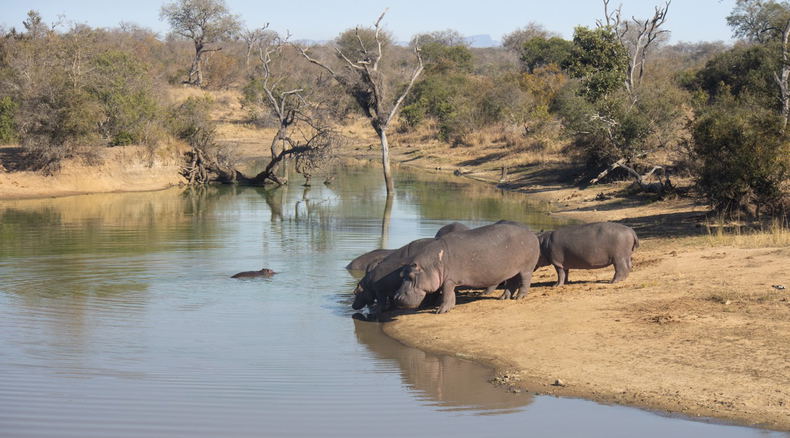
As the seasonal pans and smaller streams disappear, permanent water sources become increasingly important. Species that were spread across the reserve during the rainy months begin visiting the same rivers, dams and waterholes. It’s one of the reasons winter game viewing is often so rewarding.
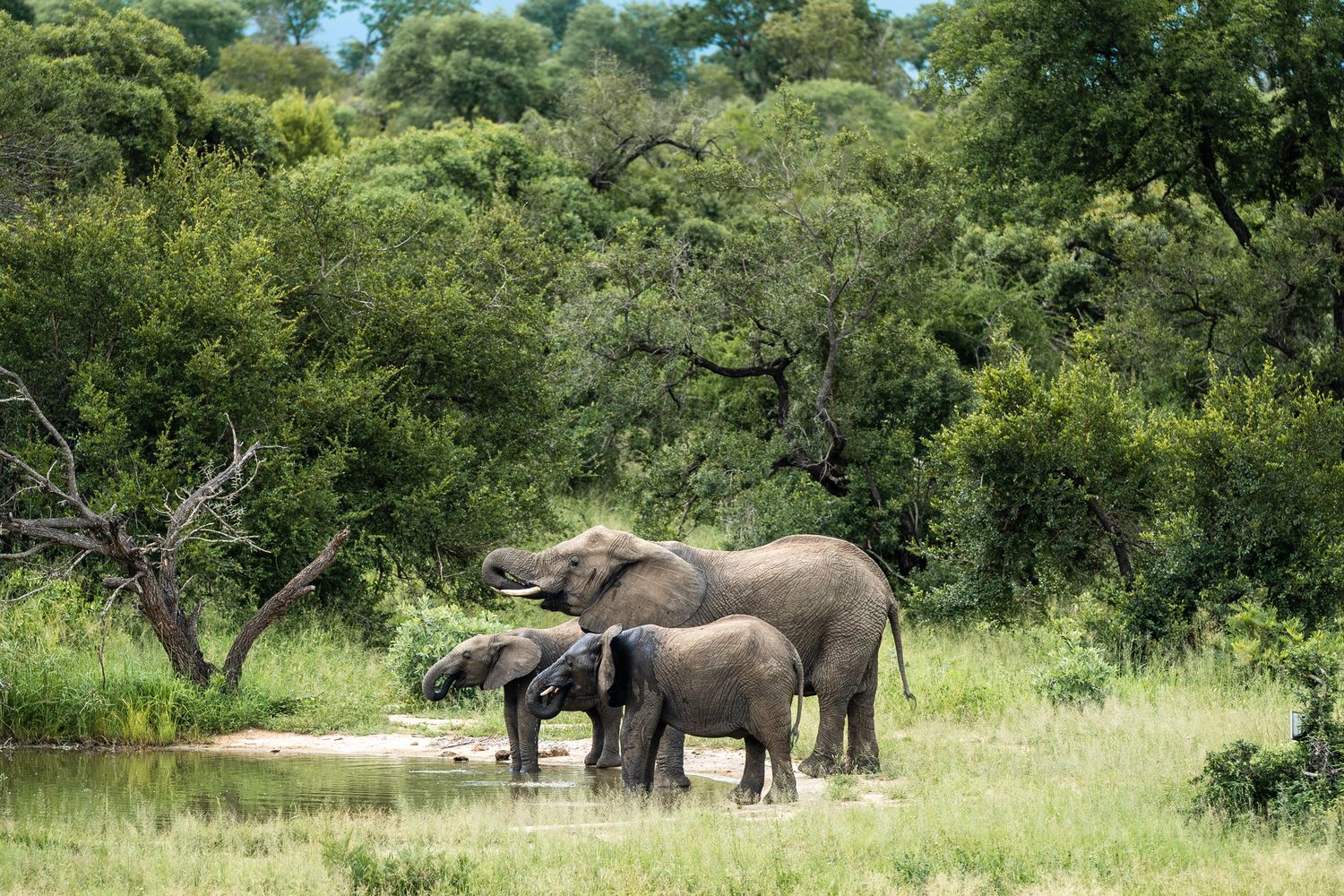
Elephants are highly dependent on water, drinking well over 100 litres a day and travelling familiar routes between feeding areas and reliable water. Buffalo herds also gather around these permanent sources, while zebra, wildebeest and many antelope follow similar patterns. Predators know this too. A dependable waterhole doesn’t only attract thirsty herbivores; it creates opportunities for lions, leopards and spotted hyenas.
Not every species needs to drink as often, however. Browsers such as kudu and giraffe obtain much of the moisture they need from the leaves, shoots and seed pods they feed on, allowing them greater flexibility as the landscape dries.
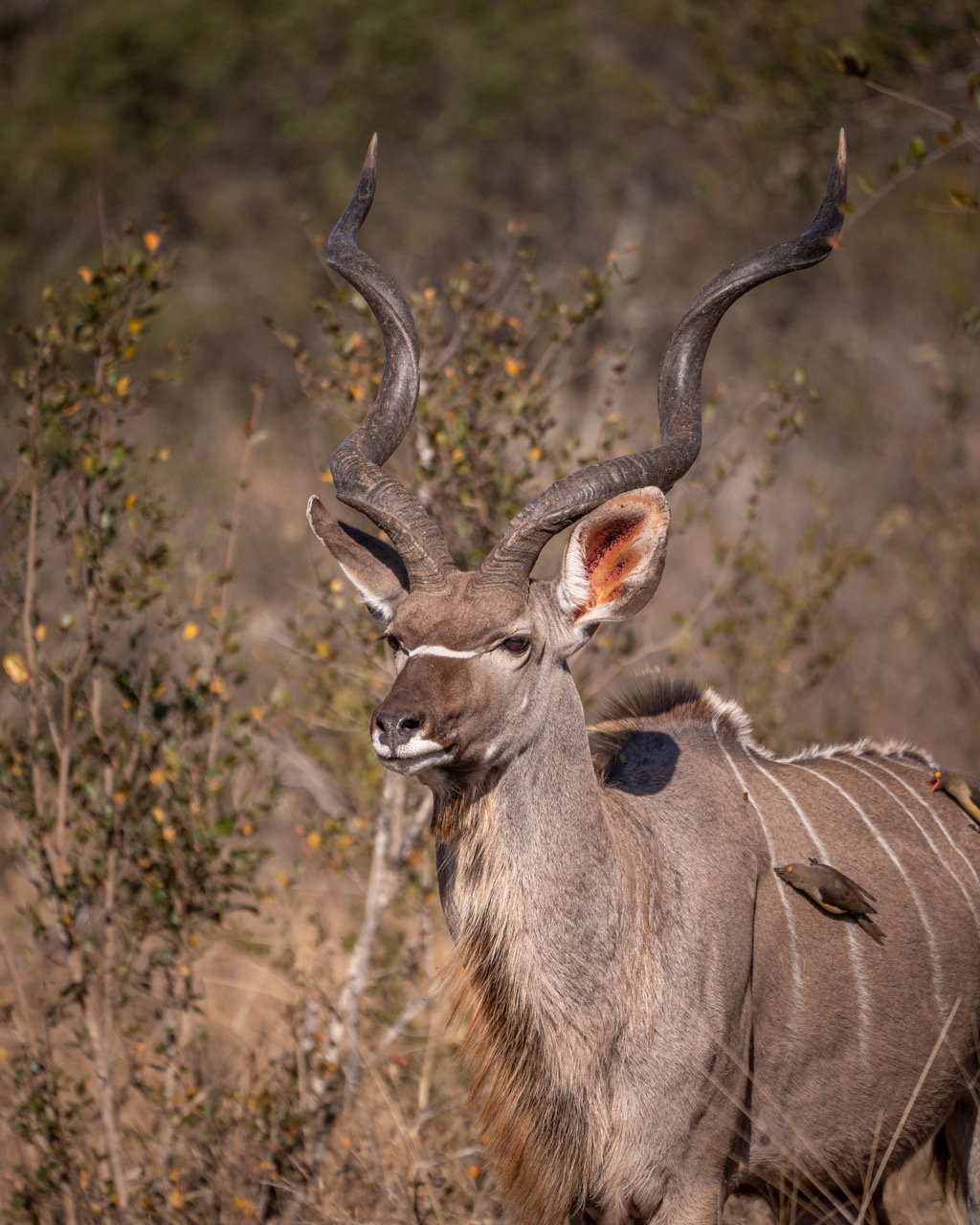 Kudu bull in the dry season, by Jordi Woerts
Guests sometimes ask whether guides know where the animals will be. The honest answer is that wildlife is never predictable, but understanding seasonal patterns certainly helps. In winter, water is often the best place to begin.
It’s also a season that rewards patience. A waterhole can appear completely quiet, only to become a hive of activity within minutes. Elephant families arrive to drink, antelope approach cautiously from the surrounding bush, and before long the whole scene has changed. Winter reminds us that some of the best sightings come to those who are willing to wait.
Living with Winter’s Changing Temperatures
Although winter mornings can be surprisingly cold on an open game viewer, the Lowveld warms quickly once the sun rises. Wildlife adjusts its daily routine to these changing temperatures.
One of the questions we hear most often is why lions seem more active during winter mornings. The answer is simple: cooler temperatures allow them to move comfortably for longer before settling down to rest. During the height of summer, they often seek shade much earlier in the day.
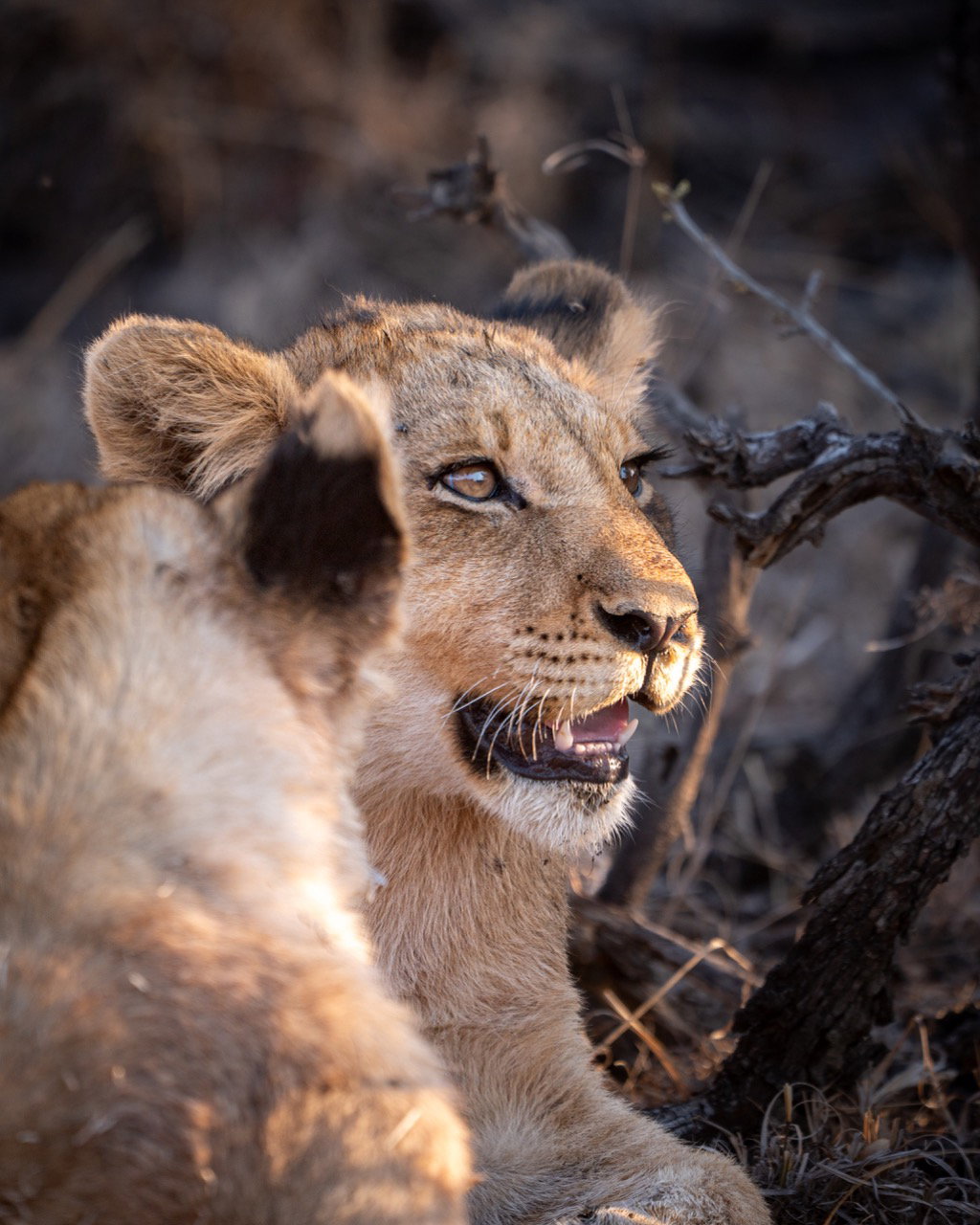 Lion cubs in the winter season, by Jordi Woerts
Reptiles respond differently. As ectotherms, they rely on external warmth to regulate their body temperature. After a cold night, many spend the first part of the morning basking in the sun before becoming fully active. This is often one of the best times to spot species that might otherwise remain hidden.
By midday, however, the winter sun is still surprisingly warm. Elephants continue to regulate their body temperature by flapping their large ears, where an extensive network of blood vessels helps release excess heat.
Reading the Bush Through Its Tracks
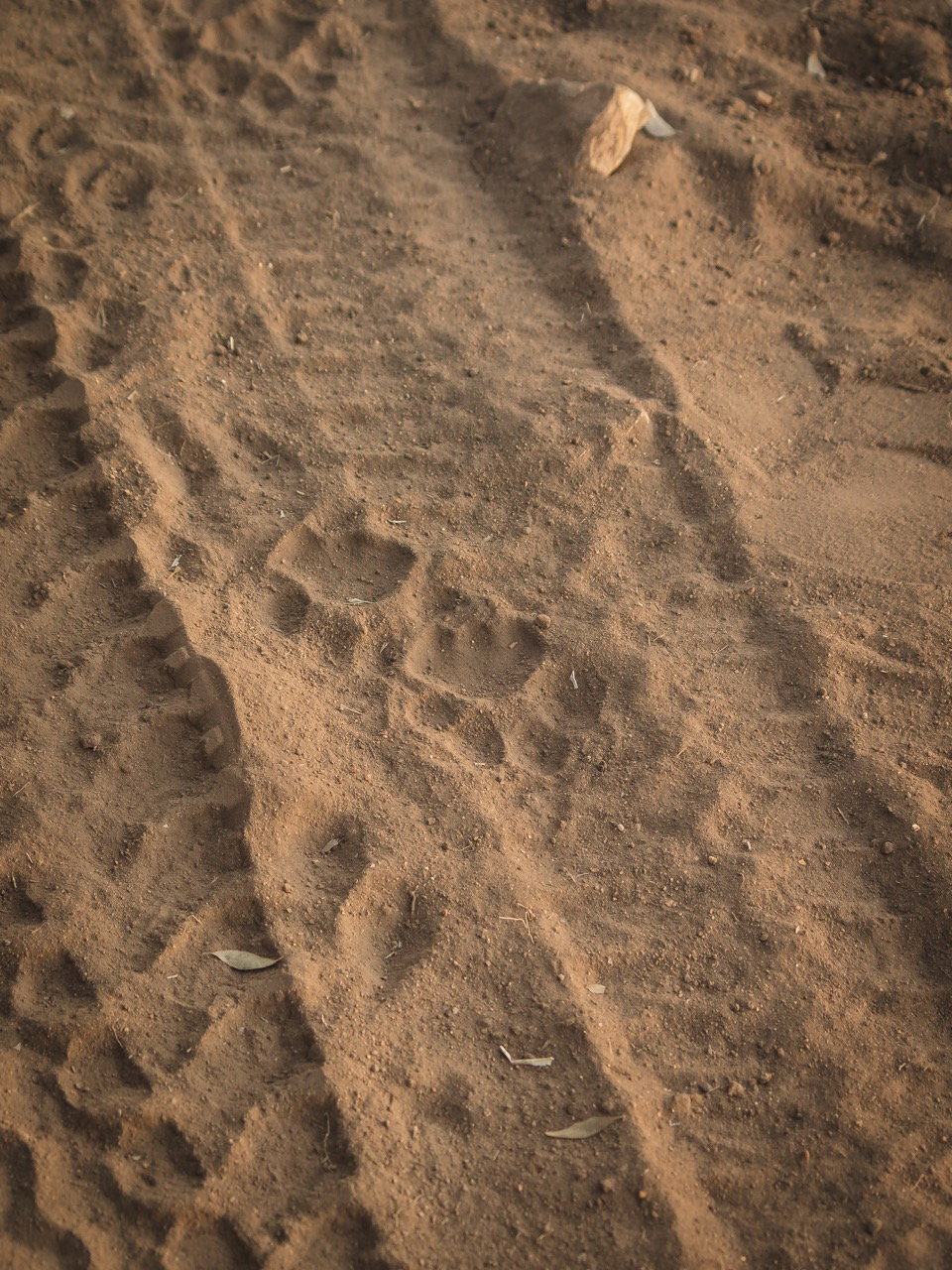 Lion tracks in the sand
Winter is also one of the best seasons for tracking.
With little rain to disturb the ground, fresh spoor often remains visible for hours. To most people, a footprint is simply a footprint. To a guide, it can tell a much richer story.
The size and shape of the track can sometimes offer clues about the animal, while the sharpness of the edges helps determine how recently it passed. The spacing between prints can reveal whether it was walking calmly, running or stalking.
Some mornings, a drive begins with no particular destination. Then a fresh set of lion tracks crosses the road, or the unmistakable round spoor of a leopard appears in the dust. From that moment, the drive changes completely. Winter’s dry roads often provide the first clue to where the morning’s sightings may unfold.
Of course, the bush never follows a script. Some days those tracks lead to an unforgettable sighting, while on others they disappear into thick cover. That uncertainty is part of what keeps every drive different.
When the Bush Opens Up
Summer vegetation provides excellent cover for wildlife. Winter slowly removes much of it.
As grasses dry and many trees lose their leaves, sightlines become longer and animals are simply easier to spot. A leopard resting between the branches of a marula tree, a herd of elephants feeding beyond a drainage line or a pair of lions beneath a leadwood tree might have been hidden from view only a few months earlier.
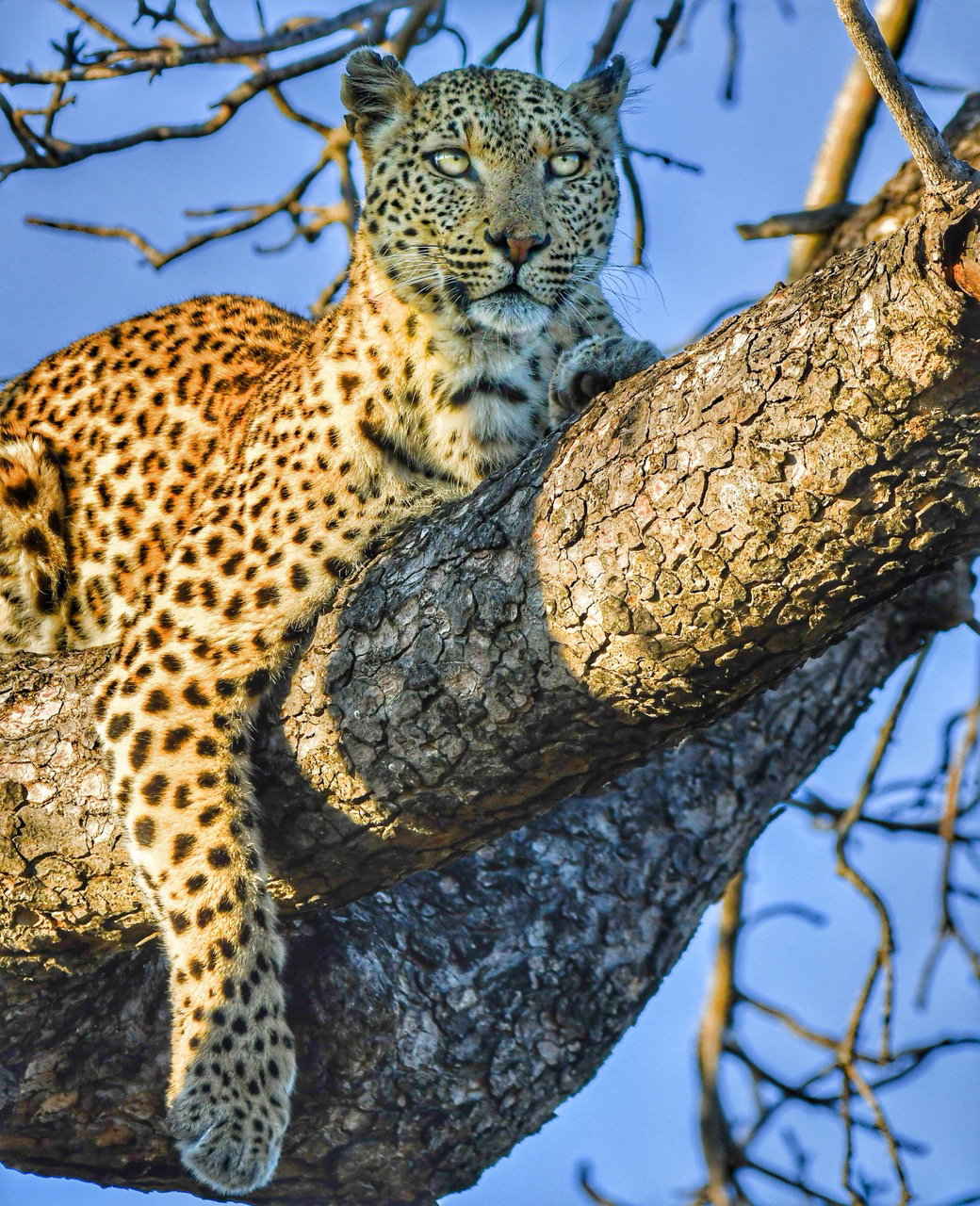 Leopard photographed by Shumbalala Game Lodge guide, Marcel Scholtz
This is why guests often leave feeling that winter offers exceptional game viewing. The wildlife hasn’t become more abundant. The landscape has simply become easier to read.
Not all plants respond to winter in the same way. While many deciduous trees shed their leaves to conserve water, the aloes begin to flower. Their bright orange and red blooms become magnets for sunbirds, which dart between the flower spikes throughout the day. Against the muted colours of the dry season, they provide one of winter’s most striking displays.
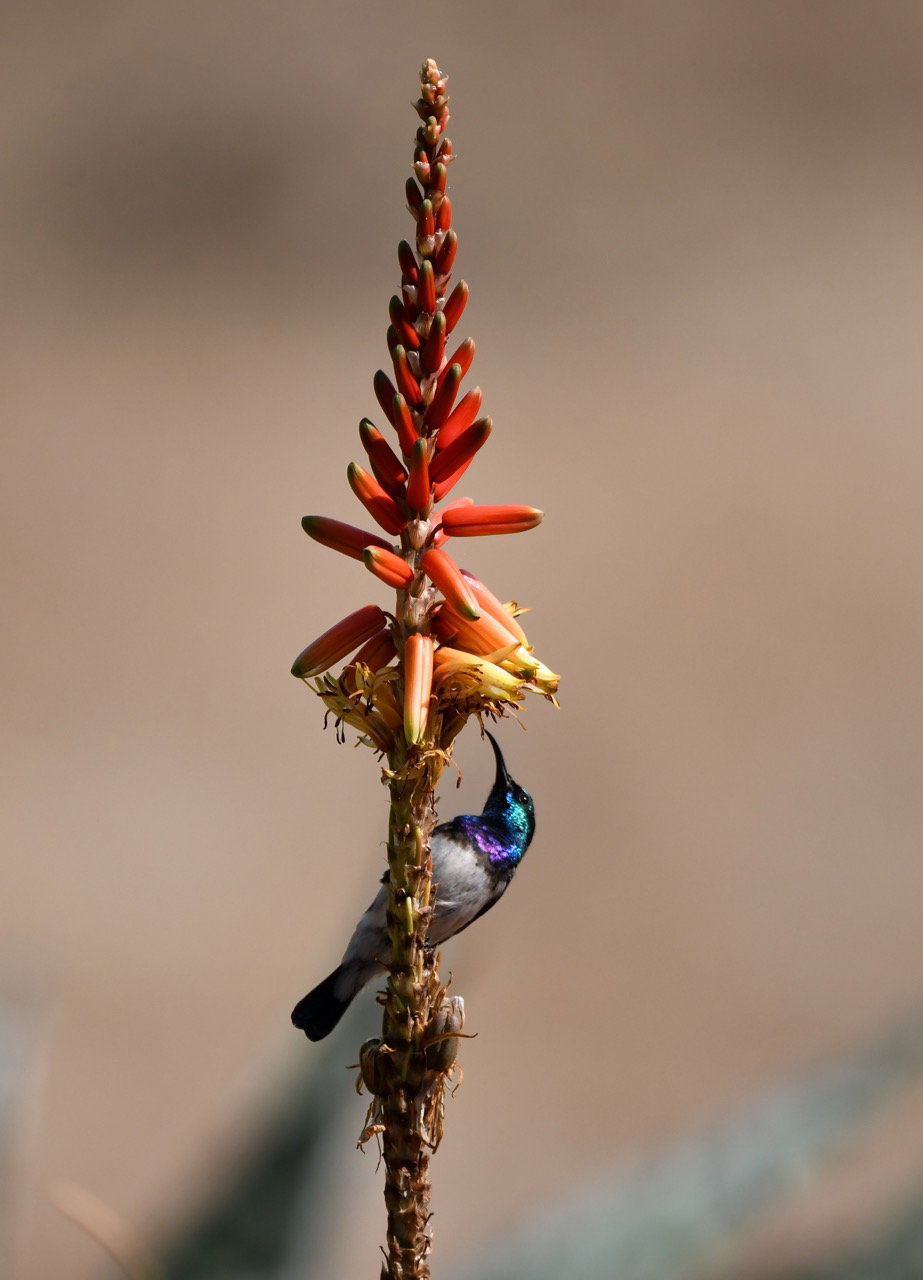 A White-bellied Sunbird feeding from a flowering aloe, photographed by Shumbalala Game Lodge Guide, Marcel Scholtz.
Not Everything Slows Down
Winter is often thought of as a quieter season, but a closer look reveals plenty of activity.
Even the smallest creatures adjust to the season. While cooler temperatures reduce the number of butterflies and many flying insects seen during the day, termites continue working beneath the soil, ants remain active whenever temperatures allow, and dung beetles emerge on warmer days to recycle one of the bush’s most valuable resources. Their work returns nutrients to the soil, helps disperse seeds and supports the health of the ecosystem long after they’ve disappeared from view.
The same is true of reptiles. Although snake sightings become less frequent than in summer, they are by no means absent. On sunny afternoons, snakes often emerge to bask, using the sun’s warmth to raise their body temperature before becoming active. Puff adders breed during the cooler months, and males may travel in search of females, reminding us that winter remains an important time in the life cycle of many species.
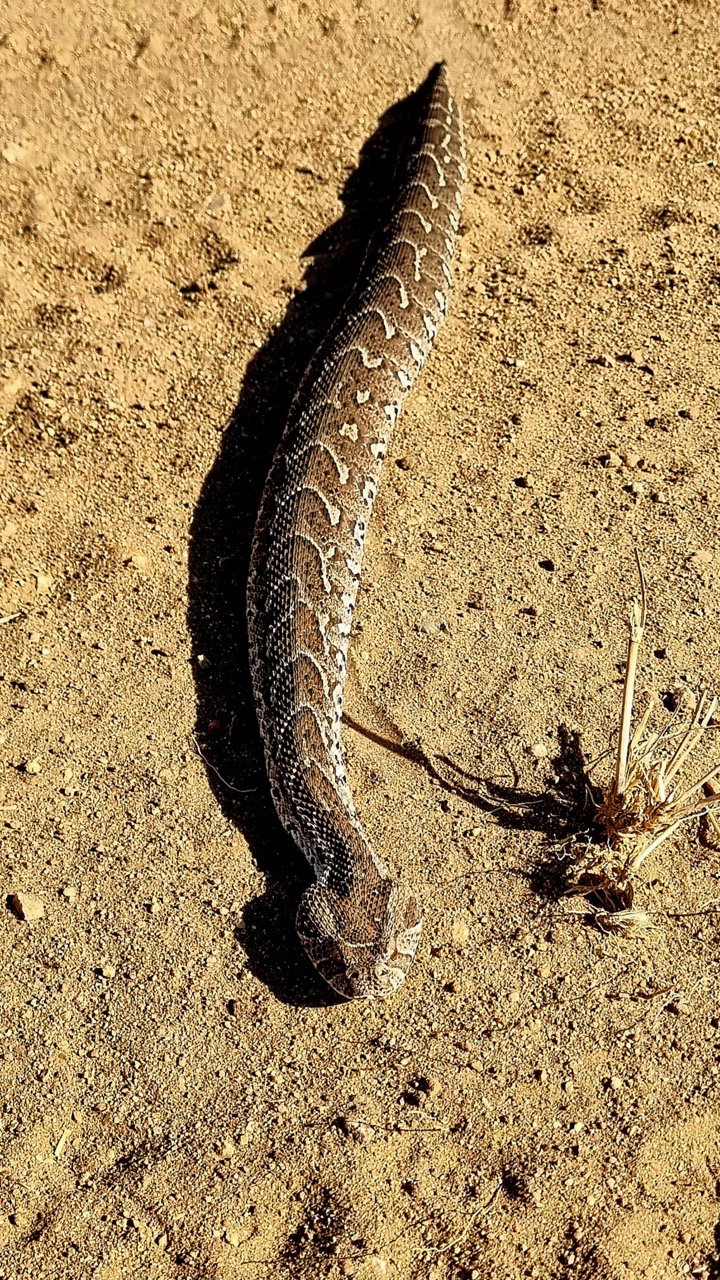 Photo a puff adder taken by Shumbalala Game Lodge guide, Calvin York Davie.
After sunset, the bush settles into a different rhythm. In the cool night air, the distant whoop of a spotted hyena or the roar of a lion can carry surprisingly far. While most guests are asleep, lions, leopards and hyenas continue to patrol their territories, and smaller nocturnal mammals such as genets, civets, porcupines and honey badgers quietly emerge to forage.
The tracks we find just after sunrise are often a reminder that while the bush may have seemed quiet overnight, many of its most elusive residents have been busy long before the first game drive leaves the lodge.
A Season of Small Adjustments
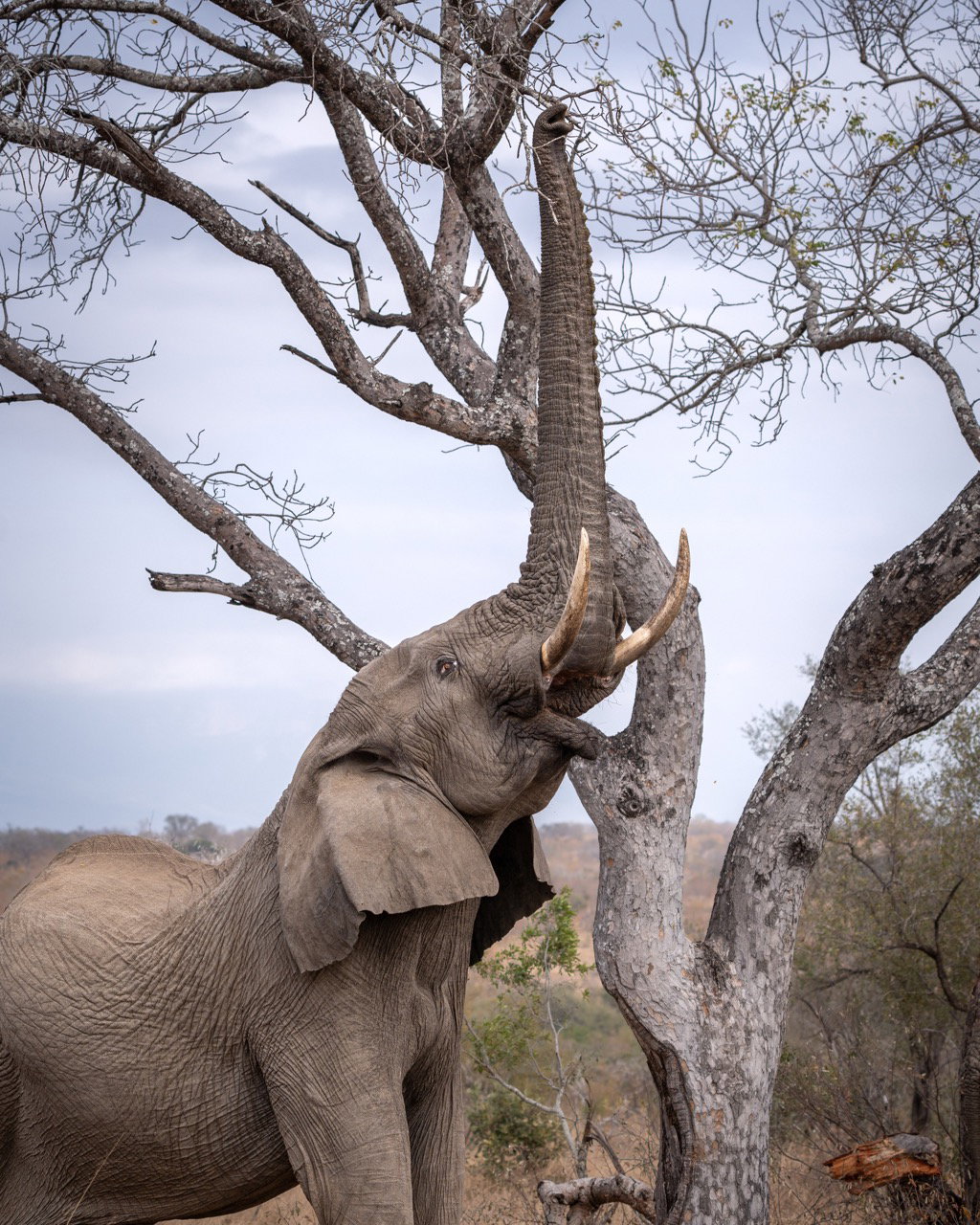 Elephant reaching for the last leaves, by Jordi Woerts
None of these behaviours are extraordinary on their own. An elephant reaching high up with its trunk to enjoy the last leaves, a lion lingering in the cool of the morning or a snake basking beside the road are all part of the bush’s seasonal rhythm. Together, though, these small adjustments allow wildlife to move through winter with remarkable efficiency.
For those of us fortunate enough to spend time in the bush, winter offers something special. Fresh tracks linger in the dust a little longer. Waterholes become gathering places. The trees reveal more than they conceal, and behaviours that might seem ordinary begin to make perfect sense once you understand what the season demands.
Perhaps that’s why so many guides look forward to winter. It’s a season that rewards observation. Winter leaves more clues behind, and every drive offers an opportunity to read them.
Guests often tell us they feel lucky with their sightings during the dry season. Luck certainly has its place on safari, but winter also quietly stacks the odds in your favour. The bush has always been telling its story. In winter, it simply becomes a little easier to read.
Further Reading
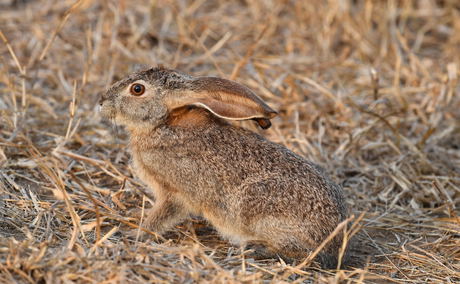
After Dark: Getting to Know the Lowveld’s Scrub Hare
Tue October 13, 2026
Read This Article
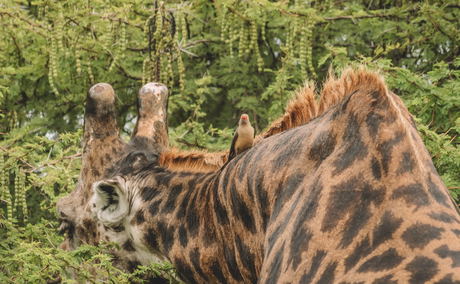
Can trees communicate with each other? The hidden conversations of the bushveld
Wed September 2, 2026
Read This Article
A giraffe reaches into the branches of a tree, curls its tongue around a cluster of leaves and begins to feed. After a while, it moves on to another tree. It is an everyday sight on safari at Shumbalala Game Lodge. But while our attention naturally follows the giraffe, something rather remarkable may be happening in the plants around it. The tree isn’t simply standing there, doing nothing. Plants can sense damage,...
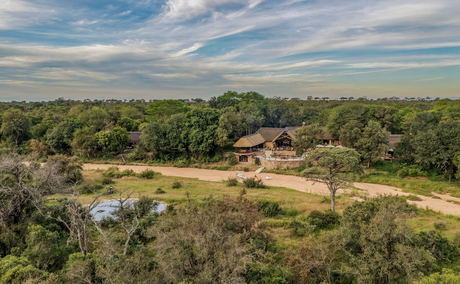
Beyond the Boundaries: Shumbalala Game Lodge in the Greater Kruger
Tue August 25, 2026
Read This Article
“Are we in Kruger?” It sounds like a simple question, and it is one that guests sometimes ask when trying to understand exactly where Shumbalala Game Lodge is located. The answer needs a little more explanation than a simple yes or no, but behind it lies an important story about Thornybush Nature Reserve, conservation and the value of giving wildlife the space to move. Shumbalala Game Lodge is situated within Thornybush Nature...


Share This Post