


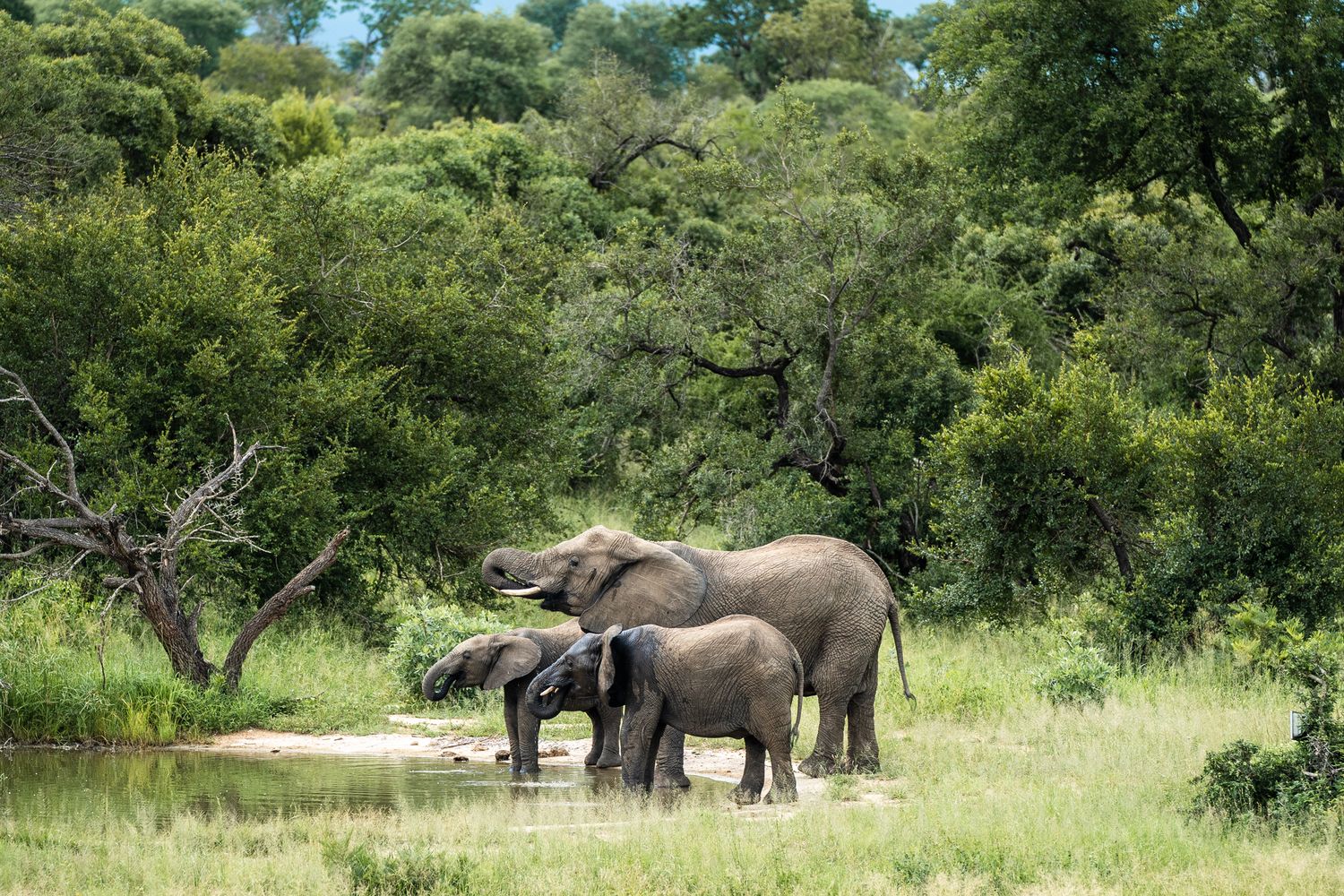
The sun has slipped below the horizon at Shumbalala Game Lodge, and the bush is beginning to change shift. The heat of the day softens. Nightjars begin calling. The beam of a spotlight moves quietly across the grass and along the road ahead. And then, there it is. A small shape sitting perfectly still in the track. Two long ears. Large eyes. For a moment, it seems undecided about what to do...
What Comes Out When the Rain Comes Down?
Posted on Fri November 20, 2026.
There's something about the first proper summer rain in the African bush that makes you want to stop and listen.
The afternoon air grows heavy, clouds gather overhead, and the wind begins to move through the trees. Then the rain arrives, soaking the dry earth and filling the air with that familiar, earthy scent.
For us, it's a welcome break from the heat. For many of the bush's smaller residents, it can be the signal they've been waiting for.
Beneath the soil, among fallen leaves and inside termite mounds, a whole world of activity begins to stir. Some creatures emerge from shelter, others prepare to breed, and many simply take advantage of the moisture and food that summer brings.
At Shumbalala Game Lodge, these are the moments that remind us how much is happening beyond the familiar sightings of elephants, lions and leopards.
So, what exactly comes out when the rain comes down?
1. Flying Termites: A Brief but Remarkable Journey
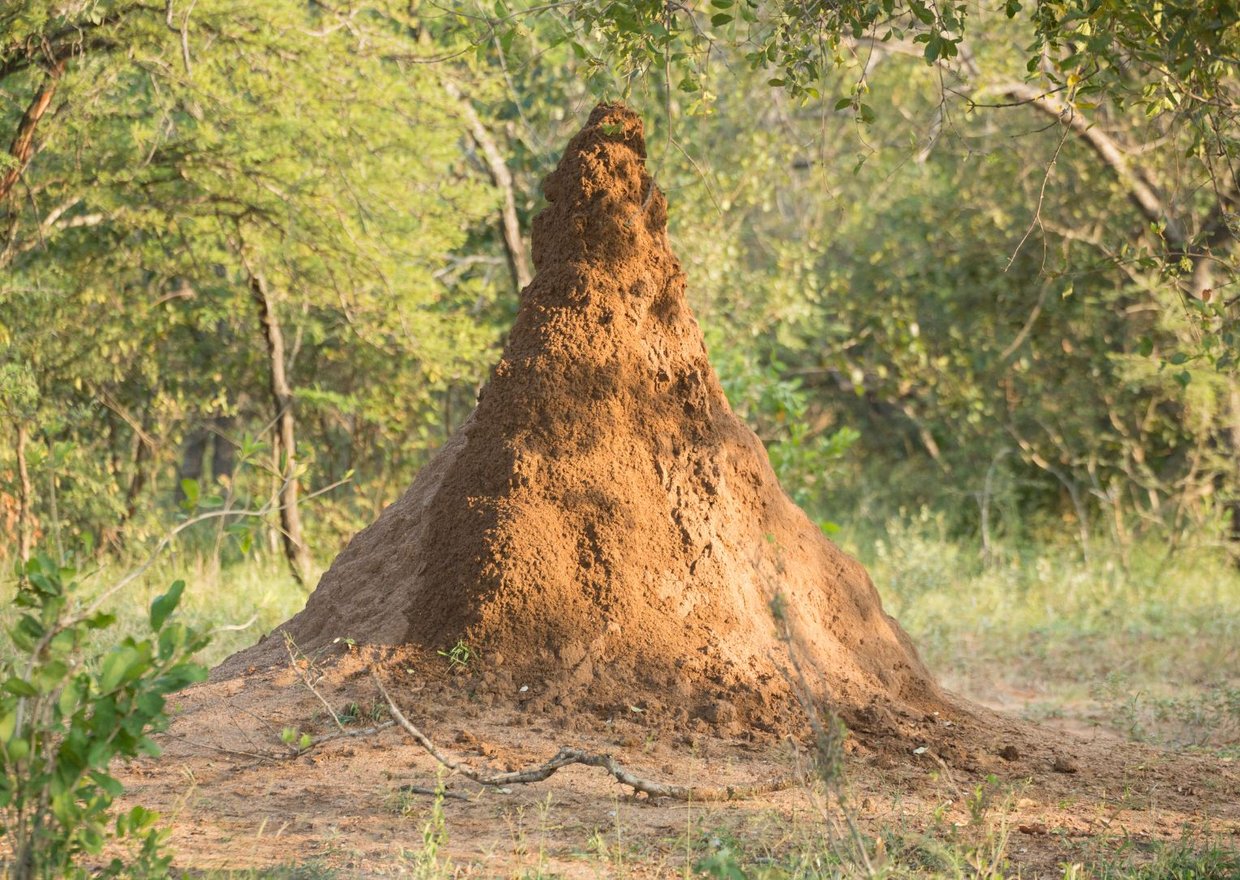
Have you ever noticed hundreds of flying insects suddenly gathering around a light on a warm summer evening?
They might be winged termites, known as alates, emerging from their colonies to find mates and establish new ones.
These aren't the worker termites that spend their lives maintaining the nest. They are future kings and queens, and their appearance is part of an important reproductive event called a nuptial flight.
Warm, humid conditions following suitable rainfall can trigger mass emergences. By taking flight at roughly the same time, the termites improve their chances of finding mates.
Unfortunately for them, they also attract plenty of hungry attention.
Birds swoop through the air, geckos wait near lights, and frogs take advantage of the sudden abundance of food. For a short while, the bush offers an extraordinary feast.
Only a small proportion of the termites that emerge will successfully establish new colonies. Those that do, shed their wings and begin their lives underground.
But here's what makes termites particularly interesting: they're among the bushveld's most important recyclers.
By breaking down dead plant material and moving soil, they help return nutrients to the ecosystem. Their tunnels can also influence how water moves through the ground.
So, while a cloud of flying termites might seem like a minor summer nuisance, it's actually a glimpse into one of the most important hidden communities in the bush.
2. Shongololos: The Bush's Little Recyclers
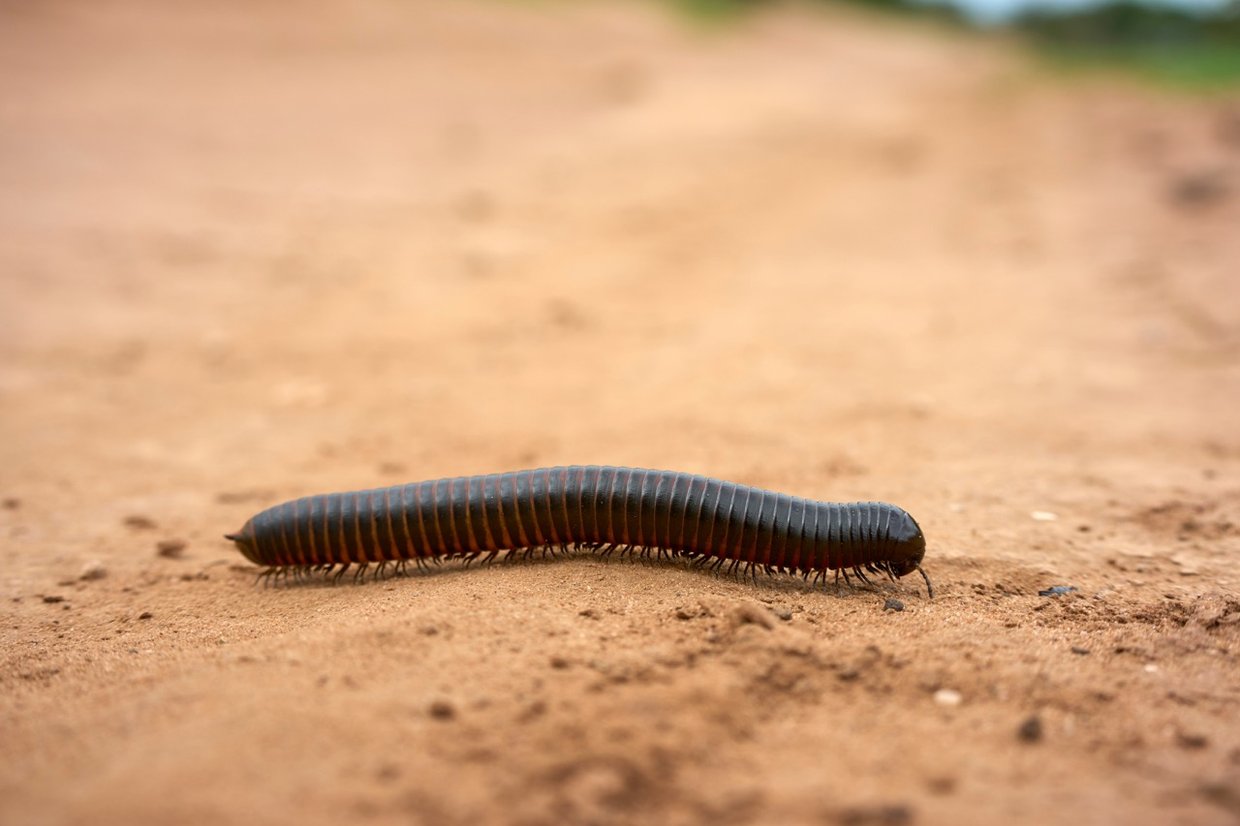
After the first summer rains, shongololos begin making their way across damp roads and pathways.
In South African English, shongololo is the familiar name for a millipede. It comes from the isiZulu word ishongololo, with the related isiXhosa word isongololo. The name is often linked to ukushonga, meaning “to roll up”, a fitting description of how these creatures curl into a tight spiral when disturbed.
This curling behaviour helps protect their softer underside from predators. Some species can also release defensive chemicals, so they're best admired without being handled.
There's a good reason we notice more shongololos after rain. Millipedes favour moist conditions because their bodies are vulnerable to drying out. During hot, dry weather, many remain sheltered beneath logs, leaf litter or in the soil. Once the rain arrives, they become more active, moving about in search of food.
And what's on the menu?
Mostly decaying plant material. Shongololos help break down fallen leaves and other organic matter, returning nutrients to the soil and playing an important role in keeping the bushveld healthy.
They're sometimes confused with centipedes, but the two are quite different. Centipedes are generally fast-moving predators, while millipedes are slower and feed mainly on decomposing vegetation.
It's easy to drive past a shongololo without giving it much thought. But when you consider the important work these little creatures do beneath our feet, one crossing the road becomes a rather interesting reason to stop.
3. Frogs: The Voices That Return With the Rain
As evening settles over the bush after a summer shower, you may hear a familiar sound returning to the landscape.
Frogs calling.
Temporary pools and puddles can quickly become busy breeding grounds, with different species taking advantage of the newly available water.
But not all frogs lay their eggs directly in water.
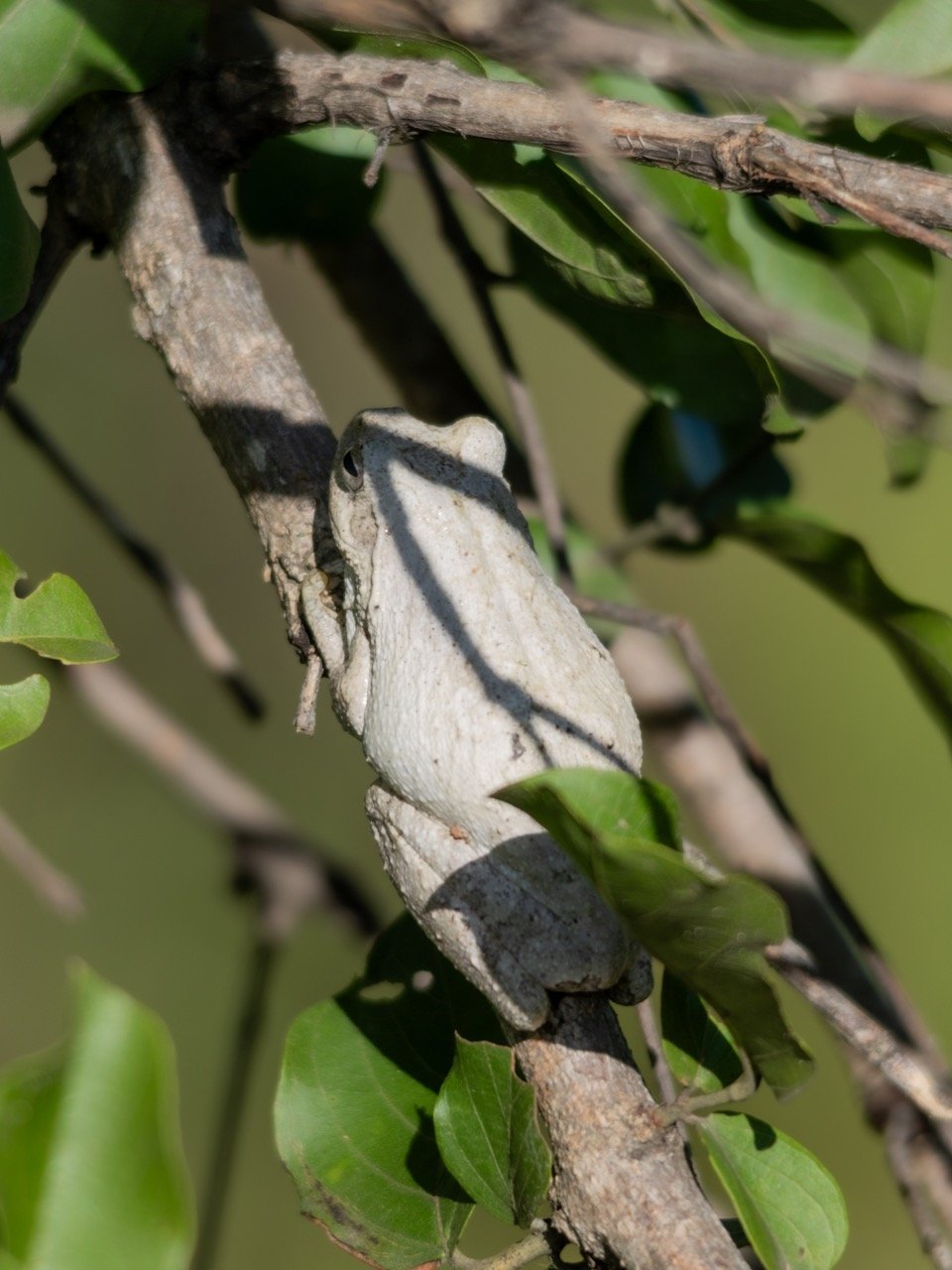
One of the most fascinating examples is the Southern Foam Nest Frog (Chiromantis xerampelina), a species found in the Lowveld.
During the breeding season, these frogs create distinctive white foam nests on branches overhanging water. The female releases a fluid which is whipped into a thick foam using the frogs' hind legs. Several males may participate in the process, fertilising the eggs as they are laid.
The foam protects the developing eggs from drying out, while its outer surface gradually hardens.
Once the eggs hatch, the tadpoles make their way through the softening foam and drop into the water below, where they continue their development.
It's a remarkable solution to the challenges of breeding in an environment where water isn't always available.
Interestingly, Southern Foam Nest Frogs are also particularly well adapted to dry conditions. Their skin helps reduce water loss, and they can often be found resting motionless on branches during the day, their pale colouring helping to reflect sunlight.
So, the next time you're on a summer game drive and notice what looks like a large ball of white foam hanging from a branch above a waterhole, take a closer look.
You might just be looking at a nursery full of developing frogs!
4. Dung Beetles: Small Creatures With a Big Job
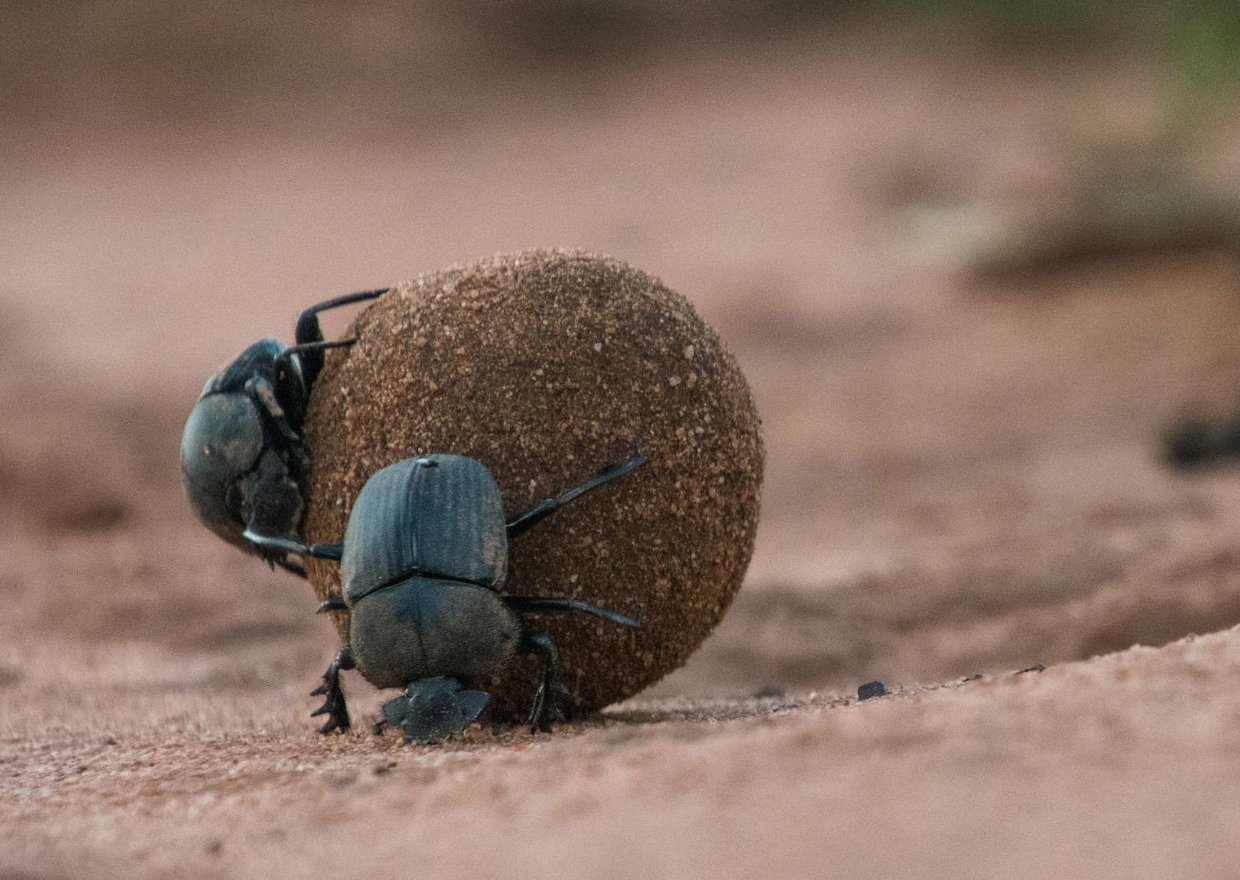
There are few things quite as entertaining as watching a dung beetle push a ball of dung across a sandy road.
The beetle moves backwards, negotiating stones, ruts and uneven ground while trying to keep its precious cargo moving in the right direction.
Occasionally, the ball rolls away. The beetle scrambles after it, climbs back into position and tries again.
But what looks like a comical little performance is actually important ecological work.
Dung beetles feed on animal dung and use it in different ways to reproduce. Some roll balls away from the original dropping, while others bury dung directly beneath it. Certain species live and breed within the dung itself.
By removing and burying dung, they help recycle nutrients, improve soil conditions and reduce waste left on the surface.
Warm temperatures and moist soil can make many dung beetles particularly active during summer.
And here's a fact worth remembering the next time you see one on a game drive.
Some ball-rolling dung beetles use the sky to navigate. Research has shown that certain species can orient themselves using the sun, moon and even the Milky Way.
A tiny beetle, travelling backwards across the sand, guided by the night sky.
Sometimes the smallest animals have the most surprising stories.
5. Terrapins: Just Add Water
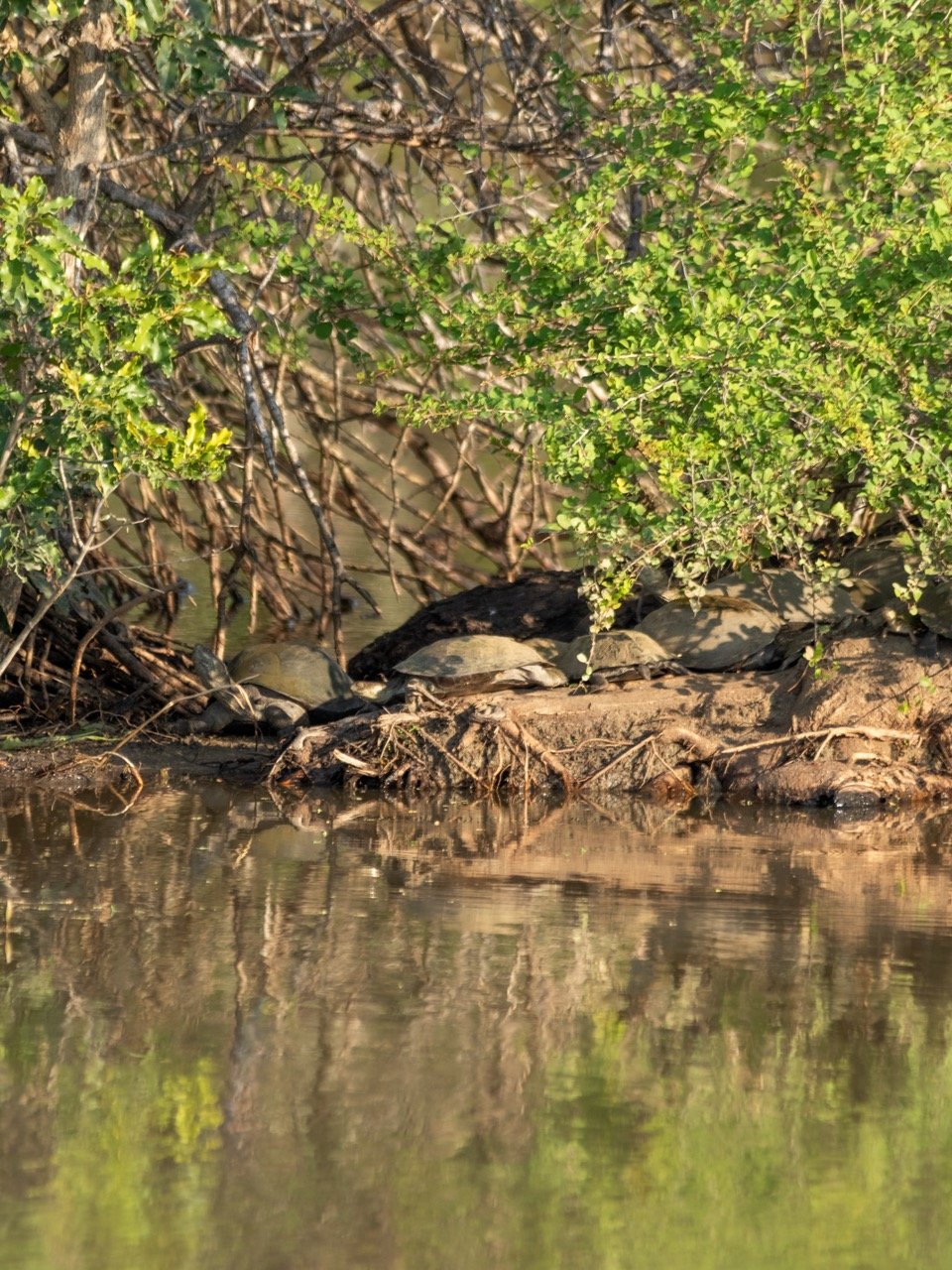
Look closely at the little islands, exposed rocks and fallen branches in a dam, and you might spot a few terrapins soaking up the summer sunshine.
Although they spend much of their lives in water, terrapins regularly venture onto land to bask. Like other reptiles, they rely on external sources of heat to regulate their body temperature.
One of the Lowveld's freshwater residents is the Serrated Hinged Terrapin (Pelusios sinuatus), a fascinating reptile with a name that tells us quite a bit about its anatomy.
The rear edge of its upper shell has a distinctive saw-like appearance, while a movable hinge in its lower shell allows it to close the front portion for added protection.
Another interesting feature is the way it retreats into its shell. Rather than pulling its head straight back, it folds its neck sideways, a characteristic of side-necked turtles.
During periods of drought, these terrapins can survive unfavourable conditions by burying themselves and entering a state of reduced activity known as aestivation.
As the summer rains replenish dams and waterholes, new feeding opportunities arise. Aquatic insects, tadpoles, small fish and even carrion are all potential meals for these predominantly carnivorous reptiles.
So, while you're scanning a waterhole for hippos or watching elephants come down to drink, spare a glance for the smaller residents basking along the water's edge. There's often more happening there than you might think.
6. The Small Hunters That Follow
With more insects becoming active during the rainy season, there's also more food available for the animals that hunt them.
Geckos gather where insects are attracted to lights. Frogs wait patiently for passing prey. Insect-eating birds make the most of seasonal abundance.
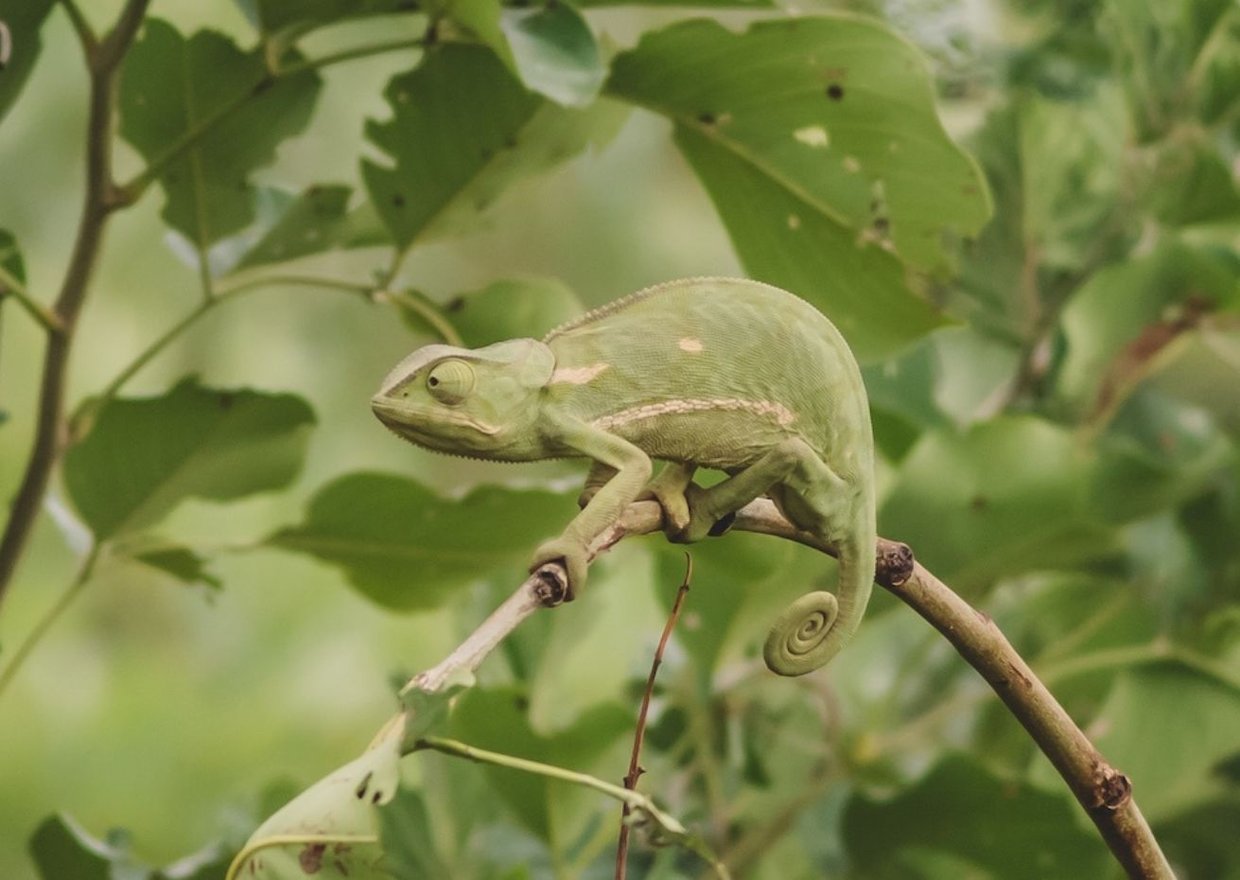
And if you're particularly observant, you might spot a chameleon among the leaves.
Chameleons are fascinating hunters. Their eyes can move largely independently, allowing them to scan their surroundings while remaining almost motionless.
When they spot suitable prey, both eyes focus on the target, helping them judge the distance before their specialised tongue strikes.
It's a remarkable adaptation, and one that makes these slow-moving reptiles highly effective insect hunters.
These encounters also reveal something important about the rainy season.
The return of moisture doesn't just affect individual animals. It influences an entire network of relationships.
Rain creates favourable conditions for insects and other small creatures. Their activity provides food for predators, while decomposers such as termites, millipedes and dung beetles help return nutrients to the soil.
Every creature has a role to play, no matter how small.
Sometimes, the Best Sightings Are the Smallest
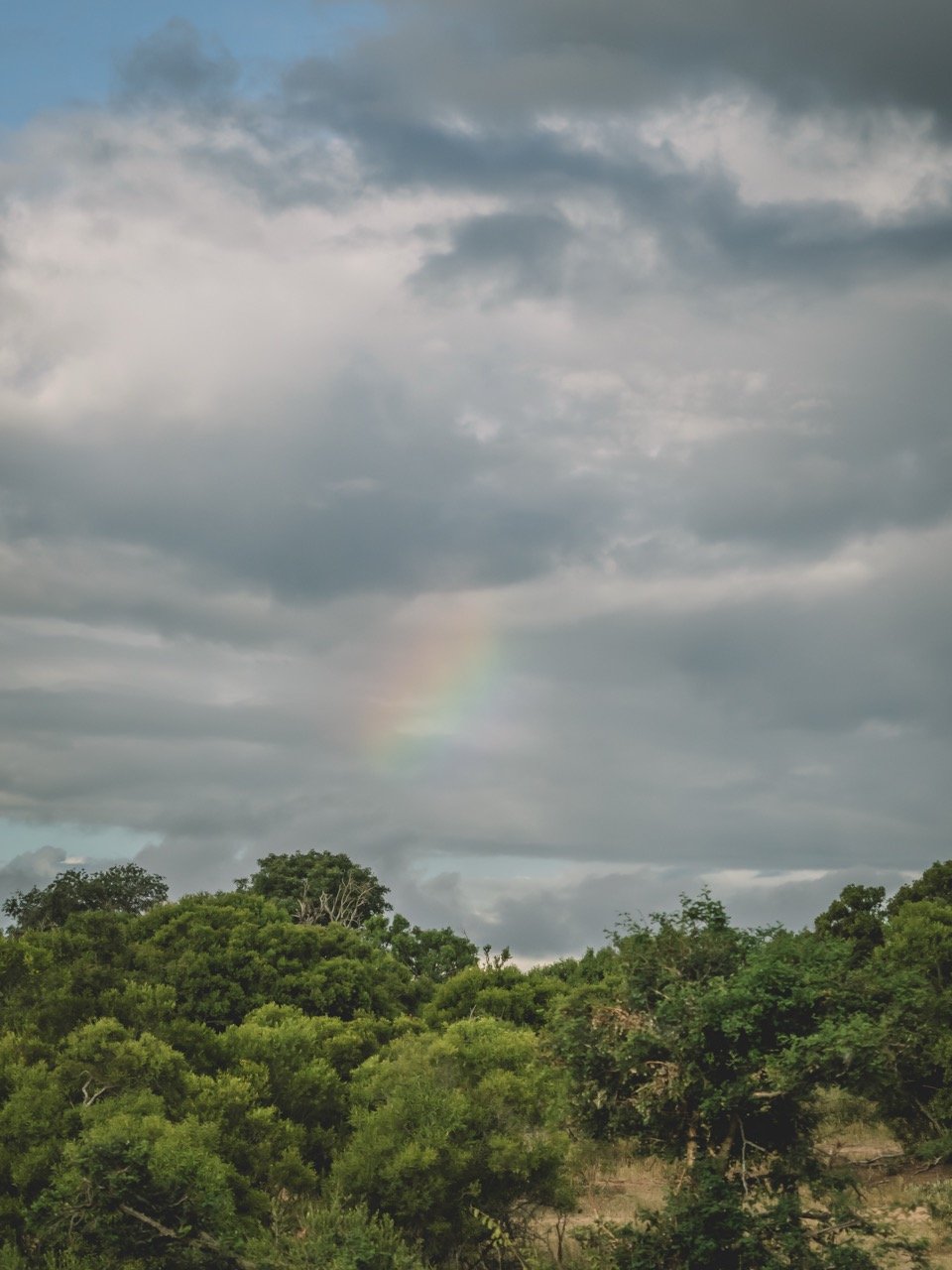
Most people arrive at Shumbalala Game Lodge hoping to see Africa's iconic wildlife. And there's nothing quite like encountering a leopard in a tree or watching elephants wander past the game vehicle.
But a safari becomes even more rewarding when you begin to notice the smaller details.
A shongololo crossing a damp track. A dung beetle determined to reach its destination. The first frogs calling after rain.
These are the moments when a knowledgeable guide can turn something easily overlooked into a fascinating story about how the bush works.
And the experience doesn't end when you return to Shumbalala Game Lodge. You might hear frogs calling in the distance, notice insects gathering around a light or simply enjoy the sounds of a warm summer evening.
Of course, every rainy season unfolds differently. The timing and intensity of rainfall influence which creatures become active and when. No two summers are quite the same.
So, what comes out when the rain comes down?
As it turns out, a whole world of life that was there all along, just waiting for the right moment.
We'd love to share these smaller wonders of the African bush with you on your next visit to Shumbalala Game Lodge.
For enquiries and reservations, contact res@safarisandretreats.com.
Further Reading
After Dark: Getting to Know the Lowveld’s Scrub Hare
Tue October 13, 2026
Read This Article
Can trees communicate with each other? The hidden conversations of the bushveld
Wed September 2, 2026
Read This Article
A giraffe reaches into the branches of a tree, curls its tongue around a cluster of leaves and begins to feed. After a while, it moves on to another tree. It is an everyday sight on safari at Shumbalala Game Lodge. But while our attention naturally follows the giraffe, something rather remarkable may be happening in the plants around it. The tree isn’t simply standing there, doing nothing. Plants can sense damage,...
Beyond the Boundaries: Shumbalala Game Lodge in the Greater Kruger
Tue August 25, 2026
Read This Article
“Are we in Kruger?” It sounds like a simple question, and it is one that guests sometimes ask when trying to understand exactly where Shumbalala Game Lodge is located. The answer needs a little more explanation than a simple yes or no, but behind it lies an important story about Thornybush Nature Reserve, conservation and the value of giving wildlife the space to move. Shumbalala Game Lodge is situated within Thornybush Nature...
Share This Post